
How to Track and Optimize Affiliate Marketing Campaigns
This comprehensive guide explores the essential methodologies to track and optimize affiliate marketing campaigns. From setting measurable goals and utilizing UTM parameters to leveraging AI in affiliate marketing and monitoring key KPIs, we provide a roadmap for transforming raw data into sustainable, passive income streams for your online business.
Affiliate marketing is a powerhouse for modern digital revenue. However, the secret to scaling lies in the data. To succeed, you must learn how to track and optimize affiliate marketing campaigns effectively.
The Foundation: Why You Must Track and Optimize Affiliate Marketing Campaigns
Affiliate marketing has evolved into a vital tool for online business owners and bloggers looking to monetize their platforms. Done right, it provides a steady stream of passive income while boosting sales for partners. But there’s a catch: without proper tracking and optimization, even the best campaigns can fail.
Success hinges on the mantra: “What gets measured, gets improved.” Tracking allows you to pinpoint what’s working, while optimization fine-tunes your efforts. By learning to track and optimize affiliate marketing campaigns, you gain:
- Data-Driven Decisions: Identify exactly which links drive traffic.
- Higher ROI: Minimize wasted ad spend and maximize revenue.
- Improved Relationships: Prove your impact to affiliate networks.
Set Clear Goals and Benchmarks
You cannot track success without defining it. Whether you are looking at how to start affiliate marketing with Amazon or running a B2B affiliate marketing program, your goals dictate your strategy.
Common Affiliate Campaign Goals:
- Increase Click-Through Rates (CTR): Focus on the persuasiveness of your copy.
- Generate Sales: The ultimate goal of online affiliate marketing.
- Grow Email Lists: Using affiliate promotions to feed your email affiliate marketing funnel.
- Brand Awareness: Using influencer affiliate marketing to reach new audiences.
Choosing the Best Affiliate Marketing Sites and Tools
To track and optimize affiliate marketing campaigns, you need a robust tech stack. Different tools offer varying levels of granularity.
Top Tracking Tools to Consider:
- Google Analytics: Essential for SEO affiliate marketing. Use it to track user behavior and custom UTM codes.
- Voluum: A leader in performance marketing, offering geolocation and AI-driven insights.
- Affiliate Networks: Platforms like ShareASale, CJ Affiliate, and the ClickBank affiliate marketing dashboard provide built-in reporting.
- WordPress Plugins: For those learning how to make a website for affiliate marketing, tools like ThirstyAffiliates are game-changers.
| Tool Type | Best For | Key Feature |
| Google Analytics | General Web Traffic | User Journey Mapping |
| Voluum | High-Volume Media Buying | Real-time AI Optimization |
| AnyTrack | E-commerce & Conversion | Seamless API Integration |
| ClickMeter | Link Management | Click Fraud Protection |
Implement UTM Parameters for Granular Data
UTM parameters are snippets of text added to URLs. They are the backbone of any attempt to track and optimize affiliate marketing campaigns across multiple channels.
The Anatomy of a UTM Link:
- Source: Where the traffic comes from (e.g., YouTube affiliate marketing, Reddit affiliate marketing).
- Medium: The marketing medium (e.g., email, CPC, social).
- Campaign: The specific product launch or seasonal promotion.
By using Google’s Campaign URL Builder, you can differentiate if a sale came from affiliate marketing on TikTok or a banner on your blog.
Monitoring Key Performance Metrics (KPIs)
Data is useless unless you know which numbers matter. To truly track and optimize affiliate marketing campaigns, focus on these four pillars:
1. Click-Through Rate (CTR)
This measures interest. If your affiliate marketing advertising strategies result in high impressions but low clicks, your “Call to Action” (CTA) needs work.
2. Conversion Rate (CR)
The gold standard. It tells you if the traffic you are sending is relevant to the offer.
3. Revenue Per Click (RPC)
This helps you understand the value of every visitor you send to a partner like the Walmart affiliate marketing program or AliExpress.
4. Bounce Rate
High bounce rates on your landing pages suggest a disconnect between your marketing hook and the actual content.
Advanced Optimization Strategies
Once the data flows in, the real work begins. Optimization is an iterative process.
A/B Testing (Split Testing)
Never assume you know what the audience wants. Test one variable at a time:
- CTAs: Compare “Buy Now” vs. “Check Price.”
- Formats: Compare a product review vs. a “Top 10” list.
- Visuals: Test different thumbnails for your affiliate marketing on Instagram posts.
Leveraging AI in Affiliate Marketing
Modern affiliate marketing automation tools use predictive analytics to suggest which products will trend next. This is crucial for high-ticket affiliate marketing, where the sales cycle is longer and requires more touchpoints.
Diversifying Your Channels
Don’t put all your eggs in one basket. To track and optimize affiliate marketing campaigns successfully, you must see how different platforms interact.
- Social Media: Affiliate marketing on Pinterest and Facebook affiliate marketing are great for visual niches like home decor or fashion.
- Search Engines: SEO affiliate marketing provides the highest quality intent-based traffic.
- Niche Communities: Affiliate marketing on Reddit requires a subtle, value-first approach to avoid being flagged as spam.
- Video: YouTube affiliate marketing builds immense trust through tutorials and “unboxing” videos.
Mastering Seasonal and Trend Marketing
Understanding seasonality in marketing is vital for long-term growth. Use seasonal hashtag strategies and holiday promotions to capitalize on peak buying periods. For example, a winter campaign for travel gear will perform differently from a summer discount for skincare.
The Magic of Seasonal Markets
By analyzing affiliate marketing data from previous years, you can predict when to push the Puma affiliate marketing program (back-to-school) versus financial services brands (tax season).
Leveraging Email Marketing for Long-Term Conversion
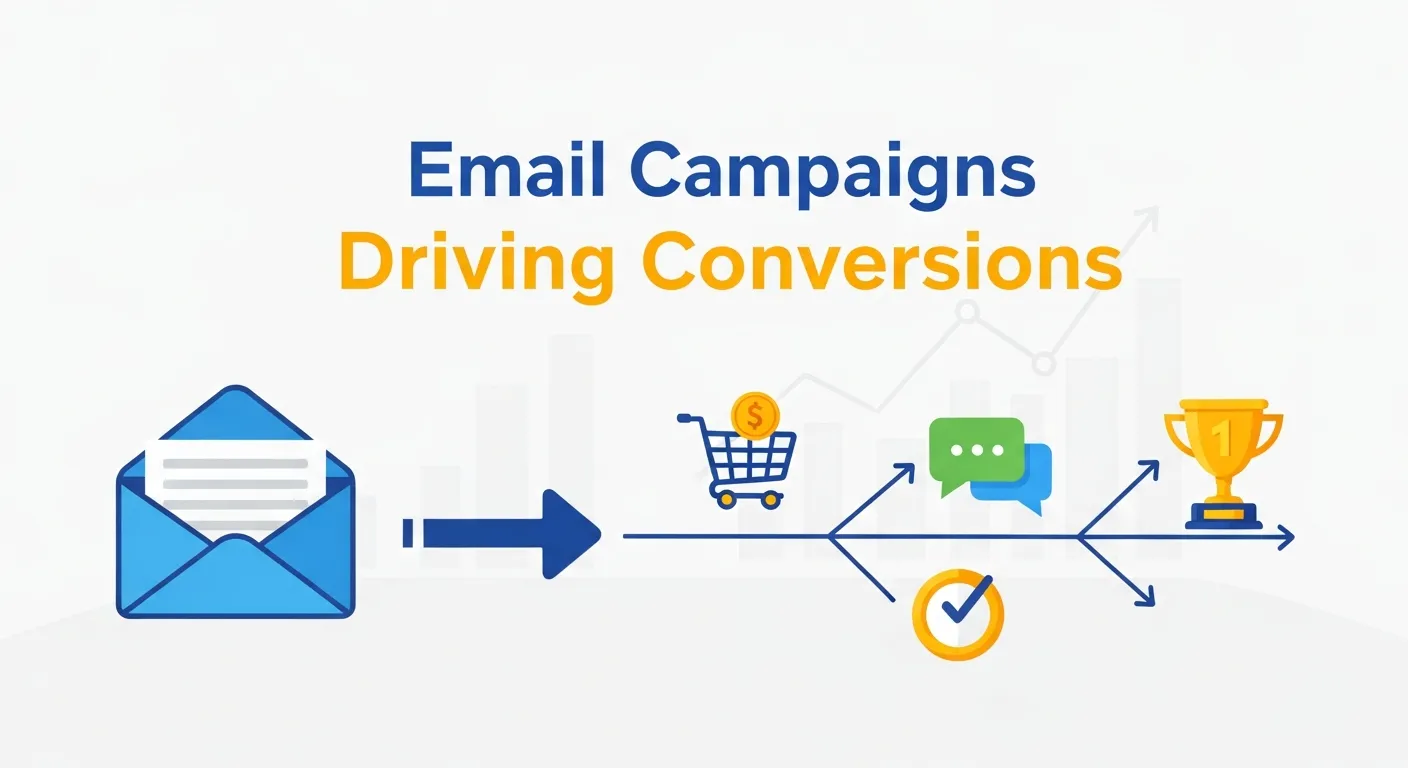
To truly track and optimize affiliate marketing campaigns, you must move beyond one-off clicks and focus on building an owned audience. Email affiliate marketing allows you to nurture leads through a structured funnel, providing multiple touchpoints for a single offer. By using high-quality email marketing services, you can segment your subscribers based on their interests—such as those interested in health affiliate marketing versus credit card affiliate marketing. Tracking the open rates and click-through rates within your newsletters provides invaluable data on what content resonates. This proactive approach ensures that your online affiliate marketing efforts aren’t solely dependent on fluctuating social media algorithms, giving you a stable foundation for consistent, scalable revenue through personalized, value-driven communication.
Harnessing the Power of Video and YouTube Affiliate Marketing
Visual storytelling has become a cornerstone of digital affiliate marketing. Engaging in YouTube affiliate marketing or creating short-form content for TikTok allows you to demonstrate products in real-time, building a level of trust that text alone cannot achieve. When you track and optimize affiliate marketing campaigns on video platforms, you should look specifically at “watch time” and “audience retention” to see where viewers drop off before clicking your links. Incorporating influencer affiliate marketing techniques—such as authentic unboxings or “how-to” tutorials—can significantly boost your conversion rates. Furthermore, optimizing your video descriptions with SEO affiliate marketing keywords ensures your content remains discoverable for years, turning a single video into a long-term asset that generates passive income.
The Role of Social Media and Influencer Strategies
Social media is a dynamic landscape for those mastering how to do affiliate marketing on Instagram or Pinterest. These platforms rely heavily on brand personality in marketing and high-quality visuals to stop the scroll. To successfully track and optimize affiliate marketing campaigns in these spaces, you must use platform-specific analytics to measure engagement rates and story sticker taps. Whether you are exploring affiliate and influencer marketing for e-commerce brands or running Facebook affiliate marketing ads, the goal is to align the product seamlessly with your lifestyle content. By analyzing which “aesthetic” or “voice” leads to the most conversions, you can refine your brand voice strategy to better serve your followers, ultimately driving higher ROI and stronger community loyalty.
Advanced SEO Affiliate Marketing and Content Clusters
Organic search remains the most sustainable way to drive traffic to your affiliate marketing websites. By focusing on SEO affiliate marketing, you can target users at the exact moment they are searching for a solution. Building “content clusters”—a series of interlinked articles around a central topic like mastering digital affiliate marketing—establishes your site as an authority in the eyes of search engines. This strategy requires you to track and optimize affiliate marketing campaigns by monitoring keyword rankings and organic bounce rates. Integrating LSI keywords and maintaining brand consistency across your reviews and guides will improve your visibility. This long-term investment in search engine optimization ensures a steady flow of high-intent traffic, reducing your reliance on paid affiliate marketing advertising strategies.
Data Analysis and Ethical Scaling for the Future
As you move toward mastering affiliate marketing management, the focus shifts from simple link-sharing to sophisticated affiliate marketing data analysis. Using tools to perform a competitive brand analysis helps you understand where your competitors are succeeding and where there is a gap in the market. To effectively track and optimize affiliate marketing campaigns at scale, you must prioritize ethical branding and transparency. This means clearly disclosing your partnerships to maintain brand perception in marketing. As you scale, consider a hybrid affiliate referral marketing approach to diversify your income. By continuously transforming affiliate marketing with data analytics, you can stay ahead of industry shifts, ensuring your business model remains resilient, profitable, and respected within the rapidly evolving digital landscape.
Comparative Analysis of Popular Affiliate Networks

Selecting the right platform is just as critical as knowing how to track and optimize affiliate marketing campaigns. Different networks provide different levels of data granularity, which directly impacts your ability to perform affiliate marketing data analysis.
While some platforms offer “set-it-and-forget-it” simplicity, others provide advanced API integrations for transforming affiliate marketing with data analytics. Below is a comparison of the top networks used by modern businesses to help you decide where to focus your optimization efforts.
Affiliate Network Comparison Table
| Network | Best For | Commission Potential | Tracking Sophistication | Learning Curve |
| Amazon Associates | Beginners & General Goods | Low (1% – 10%) | Basic (ID-based) | Very Low |
| ShareASale | E-commerce & Fashion | Moderate | High (Deep Link tracking) | Moderate |
| ClickBank | Digital Products & SaaS | Very High (up to 75%) | Advanced (HopLinks) | Moderate |
| CJ Affiliate | Enterprise & Big Brands | High | Professional Grade | High |
| Impact.com | Influencer Affiliate Marketing | Custom / Variable | Automated & AI-driven | High |
| Rakuten Advertising | Luxury Brand Marketing | Moderate | Robust Reporting | Moderate |
Common Affiliate Marketing Mistakes to Avoid
- Ignoring Mobile Users: Ensure your site is optimized for mobile, especially for TikTok and Instagram traffic.
- Promoting Irrelevant Products: Relevance beats commission rates every time.
- Lack of Disclosure: Transparency is key to how affiliate marketing builds strong customer bonds. Always disclose your affiliate links.
- Neglecting SEO: Without SEO affiliate marketing, you are overly dependent on paid ads.
Affiliate Marketing vs. MLM: A Direct Comparison
Many beginners confuse these two. Affiliate marketing is a legitimate performance-based marketing strategy where you earn a commission for a sale. MLM (Multi-Level Marketing) often focuses on recruitment. In your journey to track and optimize affiliate marketing campaigns, focus on product value rather than “building a downline.”
The Future of Affiliate Marketing
The industry is moving toward conversational affiliate marketing and voice search optimization. As AI-driven trend forecasting becomes standard, the ability to track and optimize affiliate marketing campaigns will become even more automated, allowing creators to focus on brand storytelling and content services.
Conclusion
Learning to track and optimize affiliate marketing campaigns is the difference between a struggling hobby and a thriving business. By setting clear goals, implementing UTM tracking, and ruthlessly analyzing your KPIs, you can scale your earnings to new heights. Remember: track everything, optimize constantly, and always provide value to your audience.
Frequently Asked Questions (FAQs)
1. How much do affiliate marketers really make?
Earnings vary wildly. While beginners might make $0 to $1,000 a month, experts in high-ticket affiliate marketing can earn six or seven figures annually. It depends on your niche, traffic volume, and how well you track and optimize affiliate marketing campaigns.
2. Is affiliate marketing dead?
Not at all. In fact, it is a multi-billion-dollar industry that continues to grow as e-commerce expands. However, the “low effort” methods of the past are being replaced by high-quality content marketing and SEO.
3. Can I start affiliate marketing with zero cost?
Yes. You can use social media platforms like TikTok, YouTube, or Reddit to share links. However, for long-term success, investing in a website and affiliate marketing plugins for WordPress is recommended.
4. What is high-ticket affiliate marketing?
This involves promoting products with high price points (e.g., software, luxury travel, or gold IRAs). While the volume of sales may be lower, the commission per sale is significantly higher, often reaching $500 to $5,000.
5. How do I choose the right affiliate programs?
Look for products you actually use or trust. Research the best affiliate marketing sites and check their commission structures, cookie durations, and payment reputation on sites like SEMrush or Ahrefs.
6. What are the best affiliate marketing apps for Shopify?
If you are running a store, the Shopify affiliate program can be managed using apps like UpPromote or Refersion to turn your customers into brand ambassadors.
7. How does AI impact affiliate marketing?
AI in affiliate marketing helps with content creation, predictive analytics, and automated link optimization. It allows marketers to process vast amounts of data to see which products are likely to trend.
8. Is Amazon Associates good for beginners?
Yes, it is one of the most popular ways to learn how to start affiliate marketing. While their commission rates are lower, their high conversion rates make it an excellent starting point for those learning how to become an affiliate marketer.
9. What is the role of SEO in affiliate marketing?
SEO is crucial for driving “free” organic traffic. By ranking for keywords related to product reviews or “best of” lists, you can capture users who are already in the buying mindset.
10. How can I make $100 a day with affiliate marketing?
To reach this milestone, focus on a niche with a healthy balance of search volume and competition. Consistently create content, build an email list, and use the steps above to track and optimize affiliate marketing campaigns for better conversion rates.





1 thought on “How to Track and Optimize Affiliate Marketing Campaigns ”