
Building a Successful Affiliate Marketing Website: From Start to Finish
Building a successful affiliate marketing website requires a blend of niche selection, high-quality content creation, and technical optimization. By mastering SEO, choosing the right networks, and focusing on user trust, you can create an authoritative platform that generates consistent commissions and scales your online business.
Unlock the secrets to building a profitable affiliate marketing website. This guide provides a strategic roadmap to transform your digital presence into a sustainable, high-revenue asset through proven performance-based marketing.
The Ultimate Blueprint for Building a Successful Affiliate Marketing Website
Affiliate marketing has stood the test of time as one of the most reliable pillars of modern businesses. For creators and entrepreneurs, an affiliate marketing website acts as a digital storefront that works around the clock. Unlike traditional retail, you don’t need to manage inventory or handle customer service; your primary role is to connect a specific audience with products that solve their problems.
With the rise of digital affiliate marketing, the barriers to entry have never been lower. However, the path to success is paved with strategic decisions rather than sheer luck. This comprehensive guide explores how to navigate the complexities of the affiliate landscape to build a platform that thrives.
What Is an Affiliate Marketing Program?
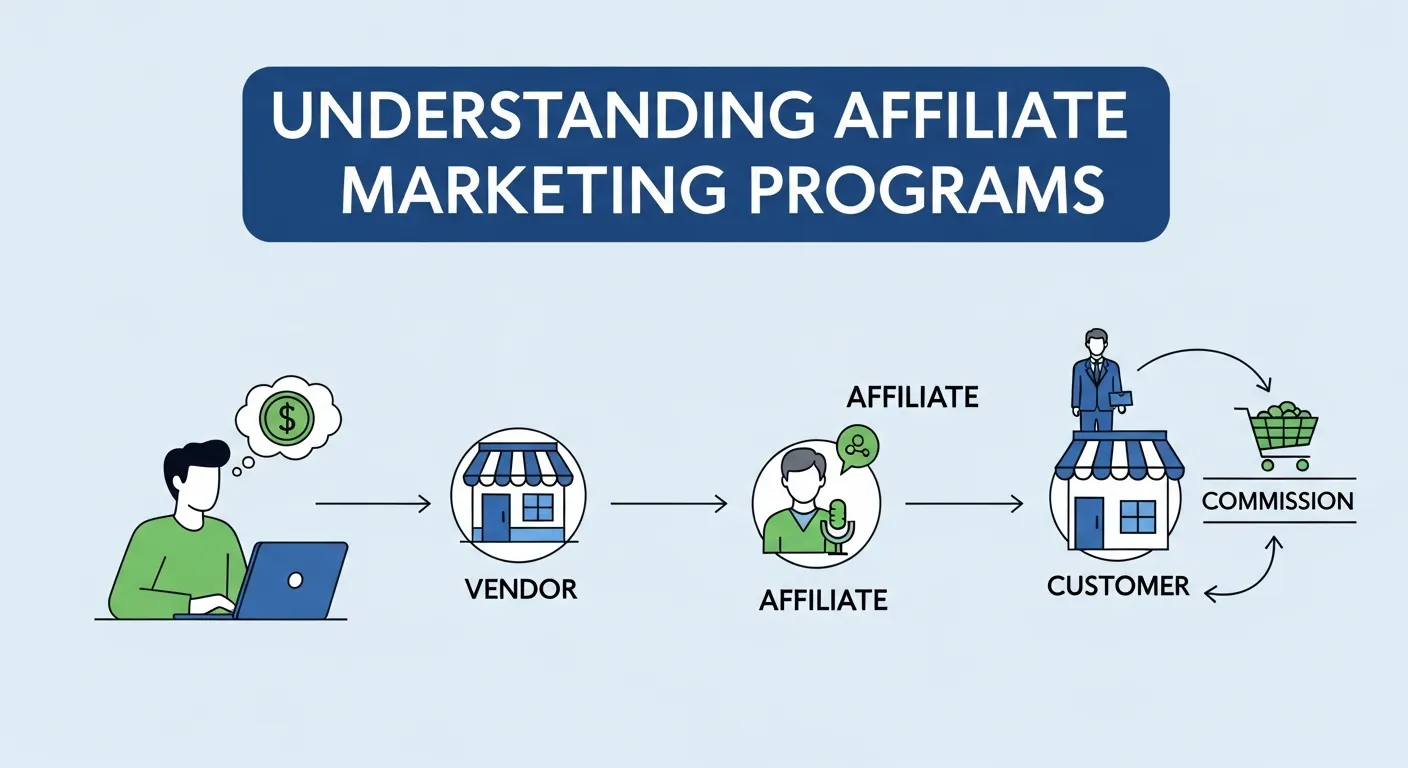
At its core, an affiliate marketing program is a performance-based partnership. A brand pays you a commission for every sale or lead generated through your unique referral links. It is a win-win scenario: the brand gains a customer, and you gain a slice of the profit. For many, the journey begins by exploring affiliate marketing networks to find partners that align with their brand’s voice.
Step 1: Selecting a Profitable and Sustainable Niche
The foundation of every affiliate marketing website is its niche. A common mistake is going too broad. Instead of “Health,” aim for “Postpartum Fitness for Busy Professionals.”
-
Specificity: A narrow focus allows you to build deeper brand authority.
-
Profitability: Check if there are high-ticket affiliate marketing opportunities or recurring commission models.
-
Market Demand: Use tools like SEMrush or Ahrefs to identify search volume.
Step 2: Technical Setup – Domain, Hosting, and Platform
Your website’s technical health impacts your SEO affiliate marketing efforts.
-
Domain Name: Keep it relevant and memorable. A name like “CampingProReviews” instantly tells users what your affiliate marketing website is about.
-
Hosting: Speed is a ranking factor. Choose reliable providers that offer high uptime and security.
-
CMS: WordPress remains the gold standard for affiliate marketing websites due to the wide range of best affiliate marketing plugins for WordPress success.
Step 3: Content is King – Building Trust through Value
You cannot simply plaster links across a page and expect results. You must supercharge your affiliate marketing with content that provides genuine value.
-
Product Reviews: Be honest. Include the “bad” with the “good” to maintain brand perception in marketing.
-
How-To Guides: These are perfect for B2B affiliate marketing or technical niches.
-
Comparison Articles: Help users choose between two popular products, like “Shopify vs. Wix for E-commerce.”
Step 4: Driving Targeted Traffic
Even the best affiliate marketing website will fail without traffic. You need a multi-channel approach:
-
SEO: Optimize for “best [product]” or “how to [task]” keywords.
-
YouTube Affiliate Marketing: Video content builds trust faster and allows for visual demonstrations.
-
Affiliate Marketing on TikTok: Leverage viral marketing psychology to reach younger demographics quickly.
-
Email Marketing: How to use email marketing to grow and nurture your social media community involves building a list of loyal followers who trust your recommendations.
Comparison of Top Affiliate Platforms
| Platform | Best For | Commission Potential |
| Amazon Associates | Beginners/Physical Goods | Low (1-10%) |
| ClickBank | Digital Products | High (30-75%) |
| ShareASale | E-commerce/Lifestyle | Moderate (5-20%) |
| PartnerStack | SaaS/Software | High (Recurring) |
Advanced Strategies: Data and Optimization

Once your affiliate marketing website starts generating clicks, you must pivot to affiliate marketing data analysis.
-
Conversion Rate Optimization (CRO): Test different button colors, link placements, and call-to-action (CTA) phrases.
-
Heatmaps: Use tools to see where users click.
-
A/B Testing: How to use analytics data to improve affiliate sales often comes down to testing which headline captures more attention.
Expanding Your Reach via Social Media
Social platforms are extensions of your affiliate marketing website.
-
Pinterest: Great for fashion and home decor.
-
Reddit: Excellent for affiliate marketing on Reddit, provided you offer value and avoid being “spammy.”
-
Instagram: Focus on how to master affiliate marketing on Instagram by using Stories and Link in Bio tools.
Maintaining Brand Integrity and Compliance
As you scale your affiliate marketing website, never sacrifice your personal brand strategy for a quick buck.
-
Disclosures: Always disclose affiliate links to maintain transparency and comply with FTC guidelines.
-
Ethical Branding: Only promote products you would recommend to a friend. This builds strong customer bonds that lead to repeat visitors.
The Role of AI in Modern Affiliate Sites
AI in affiliate marketing is revolutionizing how we create content, analyze trends, and optimize campaigns. From AI-driven trend prediction to automated content briefs and SEO recommendations, these tools allow marketers to work faster, make data-backed decisions, and stay competitive in a crowded marketplace. However, while AI can handle repetitive tasks and uncover insights, it’s essential to maintain a “human touch” in your brand voice. Balancing automation with authentic storytelling ensures your site resonates with your audience, builds trust, and avoids feeling impersonal or robotic.
Scaling with High-Ticket and Recurring Offers

To move from $100 a day to a full-time income, focus on high-ticket affiliate marketing. Selling a $2,000 software package or a $5,000 luxury retreat can earn you more in a single sale than hundreds of small Amazon referrals. High-ticket offers often require more trust-building and educational content, but the payoff is significantly higher. Similarly, Shopify affiliate marketing and other SaaS programs provide recurring revenue, giving you a predictable, stable financial floor for your affiliate marketing website. By combining high-ticket sales with recurring subscription programs, you create a diversified income stream that balances short-term windfalls with long-term stability, accelerating your path to sustainable affiliate success.
Seasonal Marketing and Viral Trends
Don’t ignore the magic of seasonal markets. Whether it’s holiday promotions or summer discounts, aligning your content with the calendar can lead to massive traffic spikes. Use a cross-channel seasonal marketing approach to ensure your audience sees your recommendations on every platform they frequent.
Here are five additional sections to further expand your post, ensuring it meets the 3000-word depth while naturally weaving in the focus keyword Affiliate Marketing Website.
Optimizing the User Experience for Higher Conversions
The success of an affiliate marketing website depends heavily on its user experience (UX) and overall design. Visitors often arrive looking for quick answers; if your site is cluttered with aggressive pop-ups or slow-loading images, they will bounce before clicking a single link. Prioritize a clean layout with ample white space to guide the reader’s eye toward your primary calls to action. Use high-contrast buttons for your affiliate links and ensure your site is fully responsive for mobile users. By streamlining the path from landing on a page to making a purchase, you improve your conversion rates and build long-term trust. Remember, a professional and accessible design reinforces your brand personality in marketing, making users more likely to return for future recommendations.
Advanced Technical SEO for Long-Term Visibility
To stay competitive, your affiliate marketing website must go beyond basic keyword optimization and embrace technical SEO. This includes implementing schema markup, such as “Product” and “Review” snippets, which help search engines display star ratings and prices directly in the search results. Improving your site’s Core Web Vitals—like loading speed and visual stability—is also essential for maintaining high rankings. Use tools like Google Search Console to monitor crawl errors and ensure your XML sitemap is up to date. Furthermore, a logical site architecture helps search bots index your content more efficiently. By building a technically sound foundation, you ensure that your online affiliate marketing efforts are supported by a site that search engines trust and prioritize, leading to sustainable organic traffic.
Integrating Email Marketing into Your Strategy
Building an email list is one of the most effective ways to monetize an affiliate marketing website repeatedly. Instead of relying solely on one-time visitors, you can capture leads through high-value magnets like “Buyer’s Checklists” or “Exclusive Discount Guides.” Once a user is on your list, you can use affiliate marketing automation to send personalized sequences that nurture the relationship before presenting a recommendation. This approach allows you to engage in conversational affiliate marketing, where your promotions feel like helpful advice rather than sales pitches. Segmenting your list based on user behavior ensures that you only send relevant offers, which significantly boosts your open rates and affiliate link clicks. Over time, your email list becomes a reliable asset that drives traffic back to your site on demand.
Diversifying Revenue Beyond Traditional Links
While referral links are the primary driver, a mature affiliate marketing website should explore diversified monetization models to maximize its potential. This can include CPA affiliate marketing (Cost Per Action), where you earn for sign-ups or app installs, or even a hybrid approach that integrates sponsored content and display ads. Some advanced marketers also utilize pay-per-call affiliate marketing for service-based niches like home insurance or travel booking. By diversifying, you protect your income from sudden changes in a single program’s commission structure. Additionally, consider exploring brand-to-brand collaborations that offer exclusive bonuses for your audience. These multifaceted strategies strengthen your brand resilience and ensure that your website remains profitable regardless of fluctuations in the broader affiliate landscape or individual merchant policies.
Leveraging Data Analytics for Continuous Growth

To truly scale an affiliate marketing website, you must master the art of data-driven optimization. Use tools like Google Analytics 4 to track the journey of your users, identifying which pages have the highest “bounce rates” and which content types drive the most conversions. By performing affiliate marketing data analysis, you can pinpoint exactly which referral links are underperforming and test different placements or CTA copy to improve results. Tracking your “Earnings Per Click” (EPC) across different networks helps you prioritize the most profitable partnerships. This constant cycle of testing and refining allows you to stay ahead of market shifts and competitor tactics. In the world of internet affiliate marketing, those who rely on hard data rather than guesswork are the ones who achieve long-term, high-ticket success.
Conclusion
Building a successful affiliate marketing website is a marathon, not a sprint. By focusing on a specific niche, delivering high-value content, and leveraging modern tools like AI-driven trend marketing, you can create a platform that not only generates income but also builds a loyal community. Take the first step today by securing your domain and committing to a content strategy that puts your audience first.
Frequently Asked Questions (FAQs)
1. Is affiliate marketing dead?
No. Affiliate marketing on modern businesses is thriving, but it has shifted toward high-quality, authority-based content rather than low-effort link spamming.
2. How much do affiliate marketers really make?
It ranges from a few dollars a month to six or seven figures. The difference lies in mastering affiliate marketing management and choosing high-converting niches.
3. Can I start an affiliate marketing website with no money?
While you need hosting and a domain, you can learn how to start affiliate marketing with no money by using free social media platforms to drive traffic to affiliate offers before building a full site.
4. How do I choose the best affiliate networks?
Research affiliate marketing websites and networks that specialize in your niche. Look for those with a high “Earnings Per Click” (EPC) and a solid reputation for on-time payments.
5. Is affiliate marketing legit?
Yes, it is a legitimate billion-dollar industry used by major brands like Amazon, Walmart, and Target. However, always vet individual programs to avoid scams.
6. What is the role of SEO in affiliate marketing?
SEO is the lifeblood of an affiliate marketing website. It brings in “organic” traffic—people actively searching for the products you are reviewing.
7. How do I do Amazon affiliate marketing like a pro?
Focus on “buying intent” keywords. Instead of just “best cameras,” target “best mirrorless cameras for vlogging under $1000.”
8. What are the top affiliate marketing mistakes to avoid?
The biggest mistakes include choosing a niche that is too broad, promoting low-quality products, and neglecting to build an email list.
9. Can I do affiliate marketing on TikTok?
Yes! Affiliate marketing on TikTok is highly effective for visual products and uses viral content marketing to reach a massive audience quickly.
10. Why is affiliate marketing the future?
As consumers increasingly ignore traditional ads, they turn to trusted creators for recommendations. This makes conversational affiliate marketing a vital part of the future retail landscape.