
The Ultimate Guide to Affiliate and Influencer Marketing for E-commerce Brands

E-commerce brands are finding it increasingly difficult to rely on traditional advertising to get noticed. Customers rely more on recommendations from people they follow and brands they love, rather than random ads. This change has positioned affiliate & influencer marketing as two strategies that every online retailer must harness to grow reach and encourage genuine engagement.
This ultimate guide will cover everything you need to know about how to run successful affiliate and influencer marketing campaigns for your e-commerce brand. You’ll discover how to establish programs, find the right partners, measure success, and blend the two strategies for maximized effect.
Understanding Affiliate Marketing
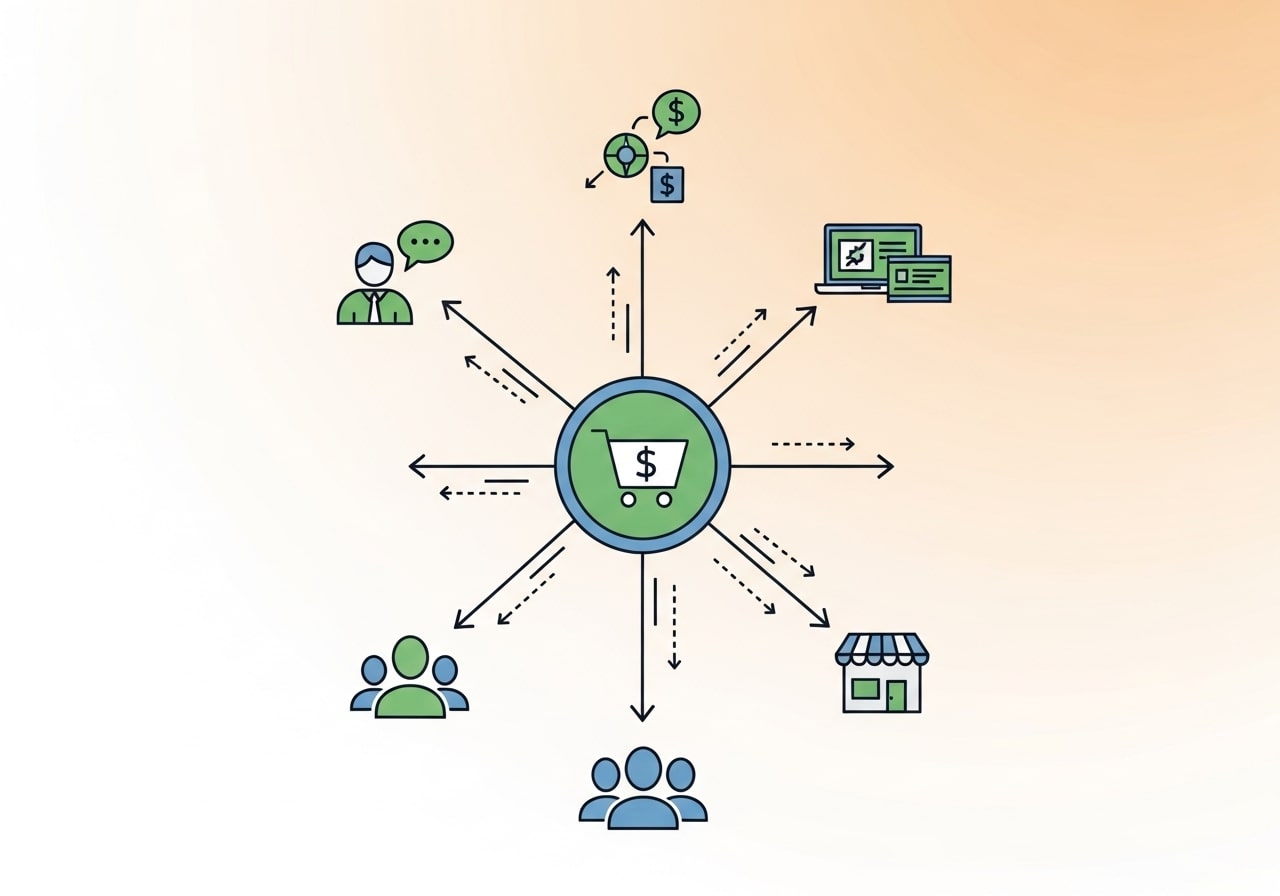
Affiliate marketing operates on a simple principle: you pay partners a commission for driving sales to your store. These partners, called affiliates, promote your products through their websites, social media channels, or email lists using unique tracking links.
How Affiliate Marketing Works
The affiliate marketing process involves four key players: the merchant (your e-commerce brand), the affiliate (your promotional partner), the customer, and the affiliate network or tracking platform.
When a customer clicks an affiliate’s unique link and makes a purchase, the affiliate earns a predetermined commission. This performance-based model means you only pay when you generate actual sales, making it a cost-effective marketing strategy for e-commerce brands.
Setting Up an Affiliate Program
Creating a successful affiliate program requires careful planning and a clear structure. Start by determining your commission rates. Most e-commerce brands offer between 5-15% commission, though this varies by industry and profit margins.
Next, establish your program terms and conditions. Define what actions qualify for commissions, payment schedules, and prohibited promotional methods. Clear guidelines prevent misunderstandings and ensure affiliates represent your brand appropriately.
Choose between managing your program in-house or using an affiliate network. In-house management gives you more control but requires additional resources. Networks like ShareASale, Commission Junction, or Impact provide built-in tracking and a pool of potential affiliates.
Finding the Right Affiliates
Quality matters more than quantity when selecting affiliates. Look for partners whose audience aligns with your target customers. A beauty blogger with 10,000 engaged followers might drive more sales than a general lifestyle influencer with 100,000 disengaged followers.
Consider different types of affiliates:
- Content creators and bloggers who write product reviews
- Comparison shopping sites that help customers find deals
- Cashback and coupon sites that attract bargain hunters
- Loyal customers who genuinely love your products
Reach out to potential affiliates personally. Explain why you think they’d be a good fit and highlight the benefits of partnering with your brand.
Tracking and Optimizing Your Affiliate Campaigns
Affiliate marketing is not a set-and-forget initiative. Monitor important statistics like clicks, conversion rates, AOV, and LTV out of your affiliate traffic.
Find out who your best affiliates are and have that relationship. Offer them special deals, early access to new products, increased commission, etc. 5. Constant communication is key to good relationships.
Monitor for fraud or policy violations. Some of the affiliates may be that’s a type of site, or they’re just not using methods that you can’t use to promote them, such as trademark bidding or cookie stuffing. A routine audit is a brand press reputation watch, a double-check on fair pay.
Understanding Influencer Marketing

Influencer marketing leverages the trust and authority that content creators have built with their audiences. Unlike traditional advertising, influencer marketing feels more like a recommendation from a friend.
Identifying the Right Influencers for Your Brand
The key to successful influencer marketing lies in finding creators whose values, aesthetic, and audience align with your brand. Micro-influencers (1,000-100,000 followers) often provide better engagement rates and more affordable partnerships than mega-influencers.
Research potential influencers thoroughly. Look at their content quality, engagement rates, audience demographics, and previous brand partnerships. Tools like HypeAuditor or AspireIQ can help you analyze influencer metrics and detect fake followers.
Consider relevance over reach. An influencer with a smaller but highly engaged audience in your niche will typically deliver better results than someone with millions of followers but low engagement.
Different Types of Influencer Collaborations
Influencer partnerships come in various forms, each with unique benefits:
Sponsored posts are the most common collaboration type. Influencers create content featuring your products in exchange for payment or free products. These posts should feel authentic and align with the influencer’s usual content style.
Product gifting involves sending free products to influencers without requiring posts in return. This approach builds relationships and often results in organic mentions when influencers genuinely love your products.
Long-term partnerships create deeper brand associations. Working with the same influencers over months or years builds stronger audience trust and better brand recall.
Takeovers allow influencers to create content for your brand’s social media accounts, providing fresh perspectives and exposing their audience to your brand.
Measuring Influencer Campaign ROI
Measuring influencer marketing success requires tracking both direct and indirect metrics. Direct metrics include clicks, conversions, and sales generated from influencer posts. Use unique discount codes or tracking links to attribute sales accurately.
Indirect metrics like brand awareness, reach, and engagement are equally important. Track mentions of your brand, hashtag usage, and follower growth during and after campaigns.
Calculate your return on investment by comparing campaign costs to generated revenue. Don’t forget to factor in the lifetime value of customers acquired through influencer marketing, as they often prove more loyal than those from traditional advertising.
Leveraging User-Generated Content (UGC)
User-generated content (UGC) is a powerful tool for e-commerce brands looking to boost authenticity and engagement. By encouraging customers to share photos, reviews, and videos featuring your products, you create relatable content that resonates with potential buyers. Affiliates and influencers can amplify this effect by reposting UGC to their audiences, bridging trust and reach. UGC not only strengthens social proof but also provides fresh content for campaigns without significant production costs. Tracking engagement and conversions from UGC allows brands to identify the most effective content types and optimize future marketing efforts.
Multi-Channel Promotion Strategies
Affiliate and influencer campaigns are most effective when executed across multiple channels. Social media platforms, email marketing, blogs, and even YouTube videos can reach diverse audiences and increase touchpoints for potential buyers. Coordinating campaigns across these channels ensures consistent messaging while expanding visibility. Affiliates and influencers often have audiences on different platforms, so understanding where your target customers spend time is essential. Tracking performance per channel enables brands to allocate budgets efficiently, optimize content, and maximize ROI. Multi-channel promotion also reduces dependency on a single source, mitigating risk and improving long-term campaign resilience.
Incentivizing Performance Through Tiered Programs
Tiered programs motivate affiliates and influencers to maximize their performance by offering increasing rewards based on results. Beginners might start with standard commissions, while top performers can earn higher percentages, exclusive perks, or early access to new products. This approach creates healthy competition and encourages consistent promotion. Clear communication about tiers and achievable targets keeps partners engaged and aligned with business goals. Tiered incentives work particularly well with influencers, blending performance-based rewards with traditional partnerships. By recognizing and rewarding high-performing partners, brands can strengthen loyalty, increase conversion rates, and build a sustainable network of advocates for long-term growth.
Combining Affiliate and Influencer Marketing
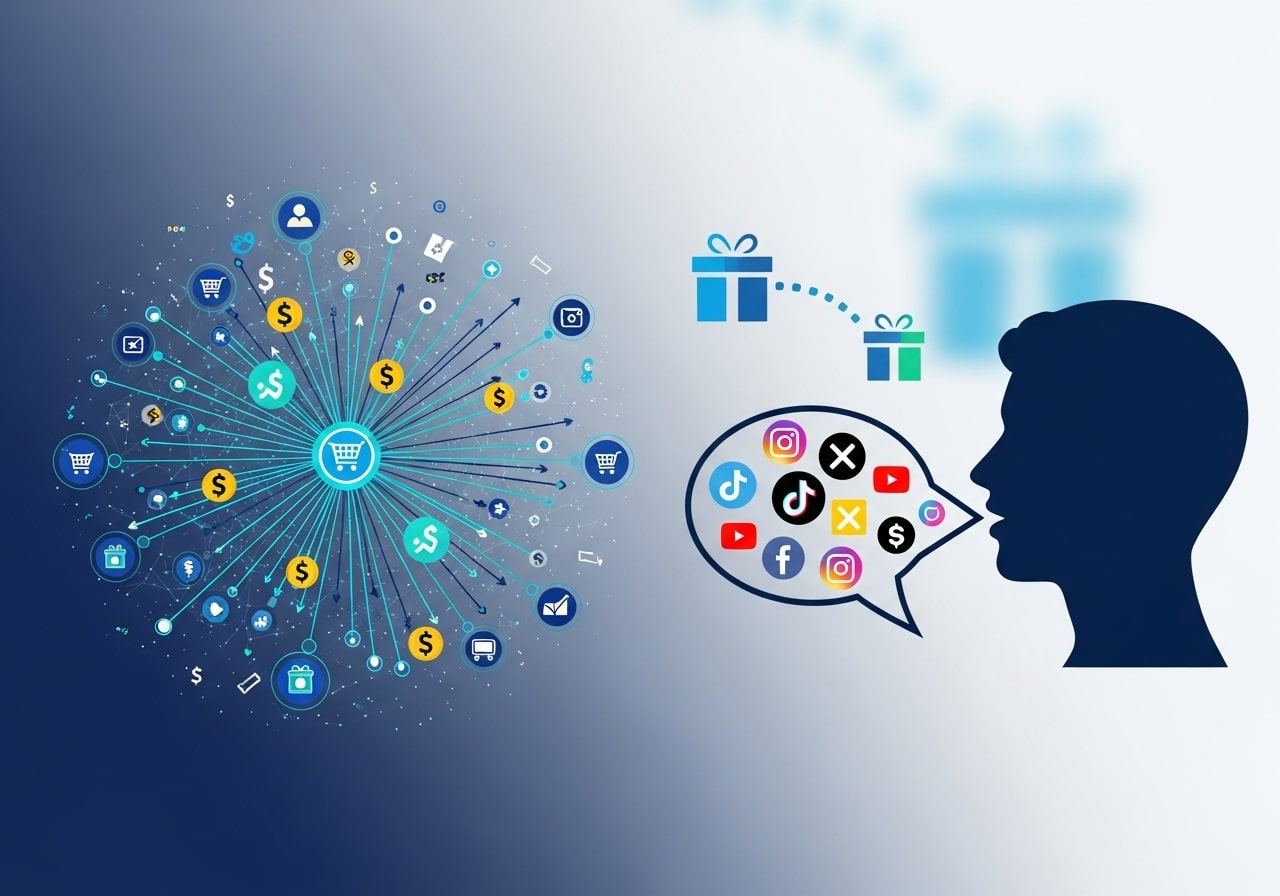
The most successful e-commerce brands combine affiliate and influencer marketing for synergistic results. This hybrid approach maximizes both immediate sales and long-term brand building.
Consider turning your best-performing influencers into affiliates by offering them commission-based partnerships in addition to flat fees. This arrangement incentivizes them to create content that drives sales while maintaining the authentic voice that makes influencer marketing effective.
Create tiered partnership programs that reward performance. Start new partners as basic affiliates, then upgrade successful ones to premium terms or exclusive influencer collaborations.
Use affiliate networks to connect with influencers who prefer performance-based partnerships. Many content creators appreciate the ongoing earning potential that affiliate commissions provide compared to one-time sponsored post fees.
Best Practices and Tools
Success in affiliate and influencer marketing requires attention to compliance, transparency, and relationship management.
Compliance and Transparency
Both affiliates and influencers must follow disclosure requirements. The Federal Trade Commission requires clear disclosure of paid partnerships. Ensure your partners understand these requirements and provide them with approved disclosure language.
Monitor partner content regularly to ensure compliance with your brand guidelines and legal requirements. Non-compliant content can damage your brand reputation and expose you to legal risks.
Tools for Managing Partnerships
Invest in platforms that streamline partnership management. Affiliate networks like Impact or PartnerFleet provide tracking, payment processing, and reporting tools. Influencer marketing platforms like Grin or Creator.co help manage influencer relationships and campaign performance.
Customer relationship management (CRM) tools help maintain personal connections with your partners. Regular communication through newsletters, exclusive updates, or private Facebook groups keeps partners engaged and motivated.
Case Studies
Several e-commerce brands have achieved remarkable success combining affiliate and influencer marketing strategies.
Fashion Nova built its empire largely through influencer partnerships, working with thousands of micro and mega-influencers to showcase their affordable fashion. They complement this with a robust affiliate program that turns customers into brand advocates.
Gymshark transformed from a small startup to a billion-dollar brand by partnering with fitness influencers who genuinely used their products. Their affiliate program extends these partnerships beyond one-time collaborations into ongoing relationships.
Glossier leveraged user-generated content and micro-influencer partnerships to build a beauty community rather than just selling products. Their referral program turns satisfied customers into affiliates, creating a cycle of authentic recommendations.
The Future of Partnership Marketing

Both affiliate and influencer marketing are evolving as consumer habits change and technology progresses. Even as consumers have become savvier about detecting the hard sell, authenticity is more important than ever.
Video content, especially short-form videos on platforms such as TikTok and Instagram Reels, is emerging as the dominant form for influencer deals. E-commerce brands need to design their strategies around these visual, mobile-first platforms.
Artificial intelligence and machine learning are transforming how partners are found and campaigns are optimized. These tools allow brands to effectively pinpoint the most strategic partners for a campaign and better anticipate how they’ll perform.
Data privacy laws are altering how we track and attribute sales from partnerships. Expect to see a future where the value already assigned to the first-party data and the direct relationship is multiplied.
That divide will narrow, and the brands that succeed will be the ones that don’t consider affiliate marketing and influencer marketing as separate tactics but as strategically linked tactics to establish a genuine relationship with customers through a trusted voice. Begin with small experiments, now, and see what works for your particular brand and audience.
Frequently Asked Questions (FAQ)
1. What is the difference between affiliate marketing and influencer marketing?
Affiliate marketing is performance-based; affiliates earn commissions for driving sales. Influencer marketing leverages creators’ authority and trust to promote a brand, often for fixed fees or gifted products. Combining both strategies maximizes reach and conversions.
2. How do I find the right affiliates for my e-commerce brand?
Look for partners whose audience aligns with your target customers. Focus on content creators, niche bloggers, cashback or coupon sites, and loyal customers who genuinely love your products.
3. How do I identify the best influencers for my campaigns?
Evaluate engagement rates, content quality, audience demographics, and relevance to your brand. Micro-influencers often outperform mega-influencers in engagement and ROI.
4. What metrics should I track for affiliate and influencer campaigns?
Monitor clicks, conversions, revenue, average order value (AOV), customer lifetime value (LTV), engagement, reach, and brand awareness. Use unique tracking links or promo codes to measure direct sales.
5. Can influencers be affiliates?
Yes! Turning influencers into affiliates incentivizes them to drive more sales while maintaining authentic content, combining performance-based and brand-building strategies.
6. How do I prevent fraud in affiliate marketing?
Regularly audit affiliate activity, monitor for cookie stuffing, trademark bidding violations, and low-quality traffic. Maintain clear program terms and use reliable tracking platforms.
7. What tools can help manage affiliate and influencer programs?
Affiliate networks like Impact, ShareASale, or PartnerFleet and influencer platforms like Grin or Creator.co streamline tracking, payments, and reporting. CRM tools help maintain strong partner relationships.
8. How much should I pay affiliates and influencers?
Affiliates usually earn 5–15% commission, depending on margins. Influencer fees vary by follower count, engagement, and content type. Micro-influencers are generally more cost-effective for engagement.
9. How often should I evaluate my programs?
Regular audits—monthly or quarterly—help identify high-performing partners, fraudulent activity, and opportunities for optimization. Continuous evaluation ensures long-term success.
10. Should I combine affiliate and influencer strategies?
Absolutely. Combining both strategies maximizes immediate sales through performance-based affiliate programs and builds long-term brand trust through influencer marketing.