
How Affiliate Marketing Builds Strong Customer Bonds and Boosts Loyalty
Affiliate marketing is not just a matter of increasing clicks and sales, but a market-savvy way to make valuable customer connections and foster long-term loyalty towards your merchant offer. An approach that can foster a true win-win-win situation for companies, affiliates, and consumers.
What is Affiliate Marketing?
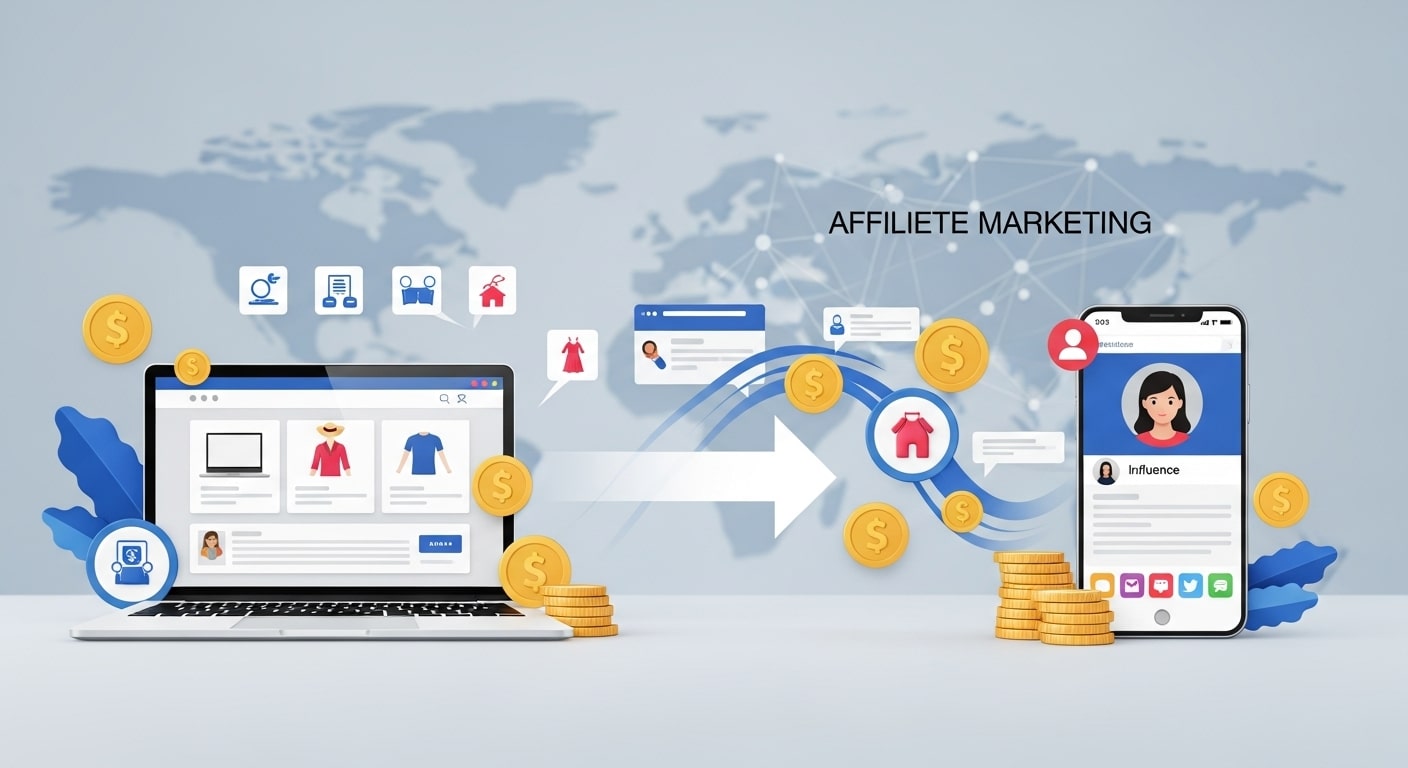
Before we get to how it can be so valuable for customer relationships, let’s cover the basics first. Affiliate Marketing, an advertising model, this model is a type of performance-based marketing in which a business rewards affiliates (partners) or one or more affiliates for each visitor or customer brought by the affiliate’s own marketing efforts. Affiliates can include influencers, bloggers and publishers, or any other company that is promoting the business products or services through personalised links or codes. The affiliate will get a commission from any purchase made through these links.
Why Customer Loyalty Matters

Customer loyalty can make or break a business. A loyal customer is far more valuable than a one-time buyer. Here’s why:
- Retention is Cheaper Than Acquisition: Acquiring new customers is 5-25 times more expensive than retaining existing ones.
- Higher Lifetime Value (LTV): Loyal customers spend more over time, enhancing your revenue.
- Positive Word-of-Mouth: Loyal customers often recommend your brand to their networks, promoting organic growth.
While traditional marketing focuses on acquiring customers, affiliate marketing shines in building loyalty by emphasizing engagement and trust.
How Affiliate Marketing Builds Strong Customer Bonds

1. Leverages Trust Between Affiliates and Their Audience
Trust is the foundation of any affiliate marketing program. Affiliates typically have established credibility with their audience and are selective about the products or services they endorse. When affiliates authentically recommend your brand, their audience is more likely to trust your product, boosting both sales and loyalty.
Example: Imagine an eco-conscious blogger partnering with a sustainable clothing brand. Their followers are likely to trust the recommendation because they align with the blogger’s values and trust their judgment. This connection between affiliate, customer, and brand strengthens loyalty.
2. Personalized Recommendations Enhance Engagement
Affiliates often create personalized, relevant content tailored to their audience’s preferences. These recommendations feel more genuine and less ‘’salesy’’ than impersonal ads.
Example: A fitness influencer might share their experience using a specific workout supplement, including detailed tips for using it effectively. This not only builds trust but also deepens customer engagement with the product.
3. Exclusive Discounts and Incentives for Affiliates
Many businesses offer exclusive discounts or promotional codes through their affiliate partners. These special offers create a sense of exclusivity for customers, making them feel valued and appreciated. When customers receive added value through affiliate promotions, they’re more likely to return to your brand in the future.
Pro Tip: Consider tiered promotions, such as “10% off your first purchase and 15% off your second purchase with code SAVE15.” This encourages repeated purchases and builds a habit around your brand.
4. Creates a Community Around Your Brand
Affiliate marketing often builds a community of loyal customers by connecting your brand with like-minded people. Affiliates act as ambassadors who bring a sense of unity and belonging to your brand.
Example: A beauty brand that partners with several influencers can create a circle of customers who follow these influencers for product reviews and recommendations. Over time, this community develops shared loyalty toward the brand.
5. Maintains Open Communication Through Affiliates
Affiliates provide a direct line of communication between your brand and your customers. They often relay customer feedback and questions, allowing you to address concerns and improve your products or services. This creates a more transparent and customer-focused brand experience.
Pro Tip: Make sure your affiliates understand your brand voice and values to communicate with clarity and consistency.
How Affiliate Marketing Boosts Loyalty
1. Reward Programs for Affiliates
Give affiliates reasons to stay loyal to your brand. Offering higher commissions, performance-based bonuses, or early access to new products can help make affiliates feel valued. When affiliates remain loyal, their audience will be consistently exposed to your product, turning occasional buyers into loyal customers.
2. Long-Term Partnerships Over Quick Wins
Instead of working with affiliates for short-term campaigns, focus on building long-term partnerships. A long-term approach allows affiliates to establish deeper connections with their audience around your brand, which strengthens loyalty.
Example: A tech company might partner with a YouTuber for an ongoing “Tech of the Month” series where their products are regularly featured. Customers who follow the series develop an ongoing relationship with both the affiliate and the brand.
3. Transparent and Authentic Messaging
Affiliate marketing thrives on authenticity. Encourage affiliates to use your products in real-life scenarios and share genuine reviews. When customers see authenticity, they are more likely to trust your brand and remain loyal.
Pro Tip: Avoid micromanaging or scripting your affiliates. Give them creative freedom to share their genuine experiences with your product.
Affiliate Marketing and Brand Trust Building
Brand trust is one of the strongest drivers of long-term business success, and affiliate marketing plays a critical role in building it. When customers discover a brand through a trusted affiliate, they are more open to engaging with the product. Unlike direct advertisements, affiliate recommendations feel organic and experience-driven. Affiliates often explain how a product solves a real problem, which reduces hesitation and builds confidence. Over time, repeated exposure through trusted affiliates strengthens brand credibility. Customers begin to associate the brand with reliability and value. This trust not only increases initial conversions but also encourages repeat purchases. In competitive markets, affiliate-driven trust can become a key differentiator that keeps customers loyal and emotionally connected to a brand.
The Role of Content Marketing in Affiliate Success
Content marketing is the backbone of successful affiliate marketing strategies. Affiliates rely on blogs, videos, reviews, tutorials, and social media posts to educate and influence their audience. High-quality content allows affiliates to explain product benefits in depth, answer common questions, and demonstrate real-world usage. This educational approach helps customers make informed decisions rather than impulse purchases. Informative content builds authority and positions both the affiliate and the brand as trustworthy sources. Over time, content-driven affiliate marketing improves customer satisfaction and reduces buyer remorse. When customers feel informed and supported, they are more likely to stay loyal, return for future purchases, and recommend the brand to others within their network.
How Affiliate Marketing Supports Customer Retention
Affiliate marketing is often associated with acquisition, but it is equally powerful for customer retention. Affiliates continuously engage their audience with follow-up content, updates, and product recommendations. This ongoing interaction keeps the brand top-of-mind even after the first purchase. Many affiliates create tutorials, usage tips, and comparison content that help customers get more value from their purchase. This post-purchase support increases satisfaction and reduces churn. Additionally, exclusive affiliate offers for returning customers encourage repeat buying behavior. When customers repeatedly interact with a brand through a trusted affiliate, they develop a long-term relationship that goes beyond a single transaction, strengthening retention and loyalty.
Affiliate Marketing as a Cost-Effective Loyalty Strategy
Compared to traditional loyalty programs, affiliate marketing offers a cost-effective approach to building long-term relationships. Brands only pay commissions when actual results are generated, reducing wasted marketing spend. Affiliates act as external brand advocates without the overhead costs of full-time employees or expensive advertising campaigns. This performance-based model allows businesses to scale loyalty-building efforts efficiently. Small and medium-sized businesses benefit especially from this approach, as they can compete with larger brands without massive budgets. Over time, loyal customers acquired through affiliates generate recurring revenue, improving return on investment (ROI). Affiliate marketing proves that loyalty does not always require high costs—only strategic partnerships and value-driven engagement.
The Impact of Influencer Affiliates on Loyalty
Influencer affiliates have a unique ability to influence customer loyalty due to their personal connection with their audience. Followers often view influencers as relatable and authentic rather than purely promotional. When influencers consistently use and recommend a product, it reinforces trust and familiarity. This repeated exposure strengthens emotional connections between the customer and the brand. Influencers also engage directly with their audience through comments, live sessions, and stories, creating two-way communication. This interaction humanizes the brand and builds a sense of community. Over time, customers influenced by trusted creators are more likely to remain loyal, defend the brand, and advocate for it within their own social circles.
Using Data to Optimize Affiliate-Driven Loyalty
Data plays a crucial role in improving affiliate marketing strategies for loyalty. By analyzing customer behavior, brands can identify which affiliates drive repeat purchases and higher lifetime value. Tracking metrics such as retention rate, repeat order frequency, and engagement levels helps refine partnership decisions. Data insights also reveal which content types and offers resonate most with loyal customers. Brands can then collaborate with affiliates to optimize messaging and promotions. Continuous analysis allows marketers to improve targeting, personalize incentives, and strengthen customer relationships. When affiliate strategies are guided by data rather than assumptions, businesses can build sustainable loyalty programs that evolve with customer needs and market trends.
Scaling Customer Loyalty Through Affiliate Networks
Affiliate networks provide brands with the opportunity to scale customer loyalty efforts efficiently. By partnering with multiple affiliates across different niches, brands can reach diverse yet relevant audiences. Each affiliate contributes unique content, perspectives, and engagement styles, increasing overall brand visibility. As customers encounter consistent messaging from various trusted sources, brand recognition and loyalty grow stronger. Affiliate networks also allow brands to test different strategies simultaneously, identifying what works best for long-term engagement. With proper management and communication, scaling through affiliates does not dilute brand identity—instead, it amplifies it. This approach helps businesses grow loyal customer bases while maintaining authenticity and trust.
Measuring Success in Affiliate Marketing for Loyalty
To determine the success of your affiliate marketing efforts in building customer loyalty:
- Monitor Repeat Purchases: Use analytics tools to track how often customers referred by affiliates come back to buy again.
- Track Customer Referrals: A loyal customer may share your brand with friends or family. Keep an eye on referrals from those linked to your affiliate program.
- Request Feedback: Use surveys or NPS (Net Promoter Scores) to see how satisfied affiliate-referred customers are with your brand.
Key Takeaways for Building Loyalty Through Affiliate Marketing
- Partner with affiliates who share your brand’s values and have an engaged audience.
- Offer exclusive perks, such as discounts or early access, to create value for customers.
- Prioritize authentic and long-term affiliate relationships for sustained success.
- Use data and feedback to continuously refine your program and strengthen customer bonds.
Affiliate marketing isn’t just about conversions; it’s a powerful tool to build trust and foster loyalty. By partnering with the right affiliates and focusing on value-driven strategies, you can transform customers into brand advocates who keep coming back.
Explore the Benefits of Affiliate Marketing Today
Looking to build stronger customer relationships and foster lasting loyalty? Start leveraging the power of affiliate marketing for your business. Explore how an affiliate program could take your brand to new heights.
Need guidance to get started or refine your program? Contact our experts to learn more.
Frequently Asked Questions (FAQ)
1. What is affiliate marketing?
Affiliate marketing is a performance-based marketing model where businesses reward affiliates for driving traffic or sales through their promotional efforts. Affiliates earn a commission when customers make a purchase using their unique referral links or codes.
2. How does affiliate marketing help build customer loyalty?
Affiliate marketing builds customer loyalty by leveraging trust. Affiliates already have strong relationships with their audience, so their authentic recommendations feel credible. This trust leads to repeat purchases, stronger brand connections, and long-term customer engagement.
3. Is affiliate marketing only focused on sales?
No. While affiliate marketing drives sales, its long-term value lies in relationship-building. It helps brands connect with customers through trusted voices, encouraging repeat purchases, referrals, and brand advocacy rather than one-time transactions.
4. What types of affiliates are best for building loyalty?
Affiliates with highly engaged audiences—such as bloggers, influencers, content creators, and niche publishers—are best for building loyalty. Partners who genuinely align with your brand values and use your products authentically drive deeper customer trust.
5. Can affiliate marketing increase customer lifetime value (LTV)?
Yes. Customers acquired through trusted affiliates are more likely to return and make repeat purchases. Personalized recommendations, exclusive offers, and ongoing engagement significantly increase customer lifetime value.
6. How do exclusive affiliate offers impact customer loyalty?
Exclusive discounts, promo codes, or early-access deals make customers feel valued. These incentives encourage repeat purchases and strengthen emotional connections with the brand, increasing long-term loyalty.
7. How can businesses ensure authenticity in affiliate marketing?
Brands should give affiliates creative freedom to share honest experiences instead of scripted promotions. Transparency, real product usage, and genuine reviews help maintain credibility and trust with customers.
8. How can you measure loyalty from affiliate-referred customers?
You can measure loyalty by tracking repeat purchases, referral activity, customer lifetime value, and feedback metrics like Net Promoter Score (NPS). Analytics tools help compare affiliate-referred customers with other acquisition channels.
9. Are long-term affiliate partnerships better than short-term campaigns?
Yes. Long-term partnerships allow affiliates to build deeper narratives around your brand. Continuous exposure and trust-building lead to stronger customer loyalty compared to short-term, sales-focused campaigns.
10. Is affiliate marketing suitable for small businesses?
Absolutely. Affiliate marketing is cost-effective and scalable, making it ideal for small businesses. Since commissions are paid based on performance, brands can grow customer loyalty without large upfront marketing costs.