
How to Start Affiliate Marketing in 7 Simple Steps

Affiliate marketing has become one of the most popular ways to earn passive income online. Through promoting products and earning a commission for every sale or lead you generate, affiliate marketing offers a great chance to boost your income while working on your own terms. But how do you begin? What do you need to succeed with affiliate marketing?
What Is Affiliate Marketing?
Affiliate marketing is a performance-based marketing model where individuals (affiliates) promote products or services for a business and earn commissions based on specific actions, like sales, clicks, or leads. To break it down:
- Merchant: The company or individual selling the product/service. For instance, Amazon or a small online retailer.
- Affiliate: That’s you! The person promoting the merchant’s product in exchange for a commission.
- Consumer: The person who purchases the product or takes the desired action through your affiliate link.
- Affiliate Network (optional): A platform that connects affiliates to merchants, making it easy to find profitable products to promote, such as ClickBank or ShareASale.
The beauty of affiliate marketing lies in its flexibility. You can promote products in nearly every niche imaginable, from technology and fashion to health and wellness.
Why Start Affiliate Marketing?
Affiliate marketing offers several advantages that make it appealing to beginners and experienced entrepreneurs alike:
- Low startup costs: You don’t need to create or store a product; the merchant handles the hard stuff.
- Flexibility: Work from anywhere, at your own pace, and design your marketing strategies around your lifestyle.
- Endless opportunities: With thousands of affiliate programs to join and countless niches to explore, there’s something for everyone.
- Scalable income: The harder you work (and the smarter your strategies), the greater your potential earnings.
Think affiliate marketing might be for you? Here’s how to get started.
7 Steps to Start Affiliate Marketing
1. Choose a Niche You’re Passionate About
The first step to becoming a successful affiliate marketer is identifying your niche. A niche is a specific topic or area of interest that you’ll focus on for content creation and product promotion. Think about hobbies, skills, or markets you’re genuinely excited about. Affiliate marketing takes time and effort, so choosing a niche you’re passionate about will help keep you motivated.
Pro tip: Look for niches that are not only interesting to you but also profitable. Tools like Google Trends and Ubersuggest can help you gauge market demand.
2. Research Affiliate Programs in Your Niche
Once you’ve chosen a niche, the next step is finding affiliate programs that align with your focus. There are two main types of affiliate programs:
- Individual Merchant Programs: Many companies run their own affiliate programs. For example, Amazon’s Affiliate Program is one of the most well-known, allowing you to promote a huge range of products.
- Affiliate Networks: Platforms like ShareASale, CJ Affiliate, and Rakuten showcase various affiliate programs across multiple industries. They’re great for beginners, as you can access multiple merchants in one place.
Key things to look for in affiliate programs:
- Commission rates
- Product variety
- Merchant reputation
- Payment thresholds or schedules
3. Build a Website or Choose Your Platform
Your platform is where you’ll promote affiliate products and generate traffic. While having a website is highly recommended, there are other options depending on the style that works best for you:
- Blogging: Create a website with in-depth content such as reviews, tutorials, and comparison articles. Blogs are particularly effective for affiliate marketing because they’re SEO-friendly.
- Social Media: Platforms like Instagram, TikTok, and YouTube allow you to promote products via video, posts, or stories.
- Email Marketing: Use email campaigns to connect with your audience and promote products directly.
If you’re starting with a website, platforms like WordPress make it easy to create and customize.
4. Create High-Quality Content
Content is the heart of affiliate marketing. Whether you’re writing blog articles, producing YouTube videos, or posting on Instagram, your content should provide value to your audience. The more helpful and informative it is, the more trust you’ll build with your audience.
Types of content you can create for affiliate marketing:
- Product Reviews: Detailed reviews sharing the pros and cons of the product.
- “Best of” Lists: Highlight top products in your niche (e.g., “The 10 Best Noise-Canceling Headphones”).
- How-To Guides: Provide tutorials that incorporate affiliate products.
- Case Studies: Share personal stories of how a product worked or helped solve a problem.
5. Drive Traffic to Your Affiliate Links
Once you’ve created great content, it’s time to drive traffic to your affiliate links. There are two main ways to do this:
- Organic Traffic: SEO (search engine optimization) can help your content rank higher on Google for relevant keywords, bringing in free, highly targeted traffic.
- Paid Traffic: Platforms like Google Ads and Facebook Ads can allow you to target specific audiences. While this involves upfront costs, it can generate quick results.
Pro Tip: Use tools like Google Keyword Planner or Ahrefs to identify high-traffic, low-competition keywords to optimize your content for SEO.
6. Build and Nurture Your Audience
For long-term success, build a loyal audience that trusts your recommendations. Engage with your audience by being authentic, responsive, and consistent. Encourage feedback and interact with their comments and messages, especially on social media.
You can also grow your audience through strategies like:
- Building an email list
- Starting a community, like a Facebook group
- Collaborating with other creators in your niche
7. Track Your Performance and Optimize
Finally, affiliate marketing is all about testing and improving your tactics. Use analytics tools to track key metrics like:
- Click-through rates (CTR)
- Conversion rates
- Sales and earnings per click (EPC)
Experiment with different types of content, traffic sources, or advertising strategies to refine what works best for your affiliate marketing business.
Overcoming Common Challenges
Affiliate marketing has its obstacles, but they’re manageable with the right approach:
- Standing out in a crowded niche: Build trust through high-quality, unique content.
- Understanding compliance: Familiarize yourself with affiliate disclosure requirements. For example, the FTC requires you to disclose when you’re earning commissions.
- Generating traffic: Be persistent and continually optimize your SEO and marketing efforts.
Leveraging Social Platforms for Promotion

Affiliate marketing can thrive when you tap into the power of social platforms. Sharing engaging content, product reviews, and tutorials helps attract an audience naturally. For beginners, posting consistently and authentically on platforms like Instagram, TikTok, or Pinterest builds trust and awareness. You can showcase products visually, create short-form videos, or offer tips that relate to your niche. Social media affiliate marketing allows you to reach a wider audience without needing a website initially. Tracking engagement metrics like likes, shares, and comments helps refine your content strategy, ensuring that your promotions are effective and resonate with potential buyers while steadily growing your affiliate revenue.
Building Authority as an Influencer

Becoming a trusted voice in your niche can greatly enhance your success. Sharing personal experiences, tutorials, or in-depth reviews helps establish credibility. You can collaborate with other creators to widen your reach and engage with your audience through comments or Q&A sessions. Influencer affiliate marketing works because followers value your recommendations and are more likely to take action. Transparency is key: disclose affiliate links and be honest about your opinions. By building authority, your audience sees you as a reliable source, which increases conversions. Over time, this approach not only generates revenue but also creates lasting relationships with followers who trust your expertise.
Targeting Ecommerce Audiences
Affiliate marketing for ecommerce focuses on promoting online products through content tailored to buyers. Creating comparison articles, product reviews, or “top picks” lists helps guide potential customers toward informed purchasing decisions. Sharing links strategically within your content and on social channels increases visibility and click-through rates. Focusing on ecommerce allows you to tap into trending products or seasonal sales, which can significantly boost commissions. Analyzing purchase behavior and identifying popular items ensures your promotions are relevant and timely. By providing value through recommendations and helping users make confident choices, you can effectively grow your income while supporting online retailers in driving sales.
Email Campaign Strategies
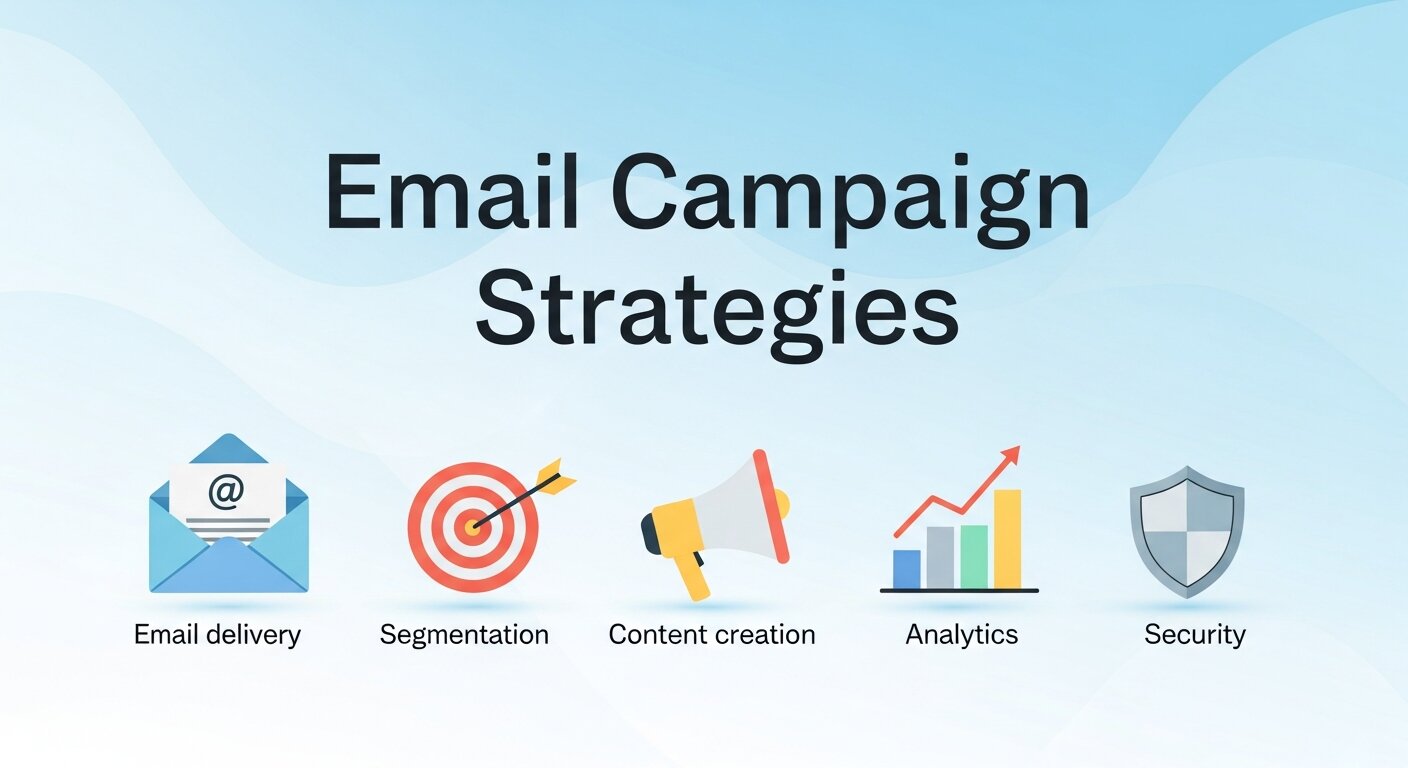
Email marketing remains a powerful tool for affiliate promotions. Building a subscriber list allows you to reach interested audiences directly with updates, product recommendations, and special offers. Crafting personalized messages improves engagement, while segmenting your audience ensures that content aligns with user preferences. Incorporating affiliate links subtly within informative or helpful emails keeps your audience engaged without feeling overly promotional. Regular communication builds trust and strengthens your brand presence. Integrating email affiliate marketing with your other promotional channels can amplify results. Over time, a well-maintained email list becomes a reliable source of recurring traffic and sales, making it a cornerstone of a sustainable affiliate business.
Automating Affiliate Marketing Tasks

Automation tools can save time and increase efficiency in managing affiliate campaigns. Scheduling social posts, automating email sequences, or tracking clicks and conversions reduces manual effort while maintaining consistent outreach. Using analytics dashboards helps identify high-performing content and optimize campaigns for better results. Affiliate marketing automation allows you to scale your efforts without overwhelming yourself, freeing up time for creating new content or exploring additional niches. However, balance is key: automation should enhance your strategy, not replace genuine engagement. Properly implemented, it streamlines repetitive tasks, boosts performance, and ensures you never miss an opportunity to maximize commissions from your affiliate partnerships.
Start Your Affiliate Marketing Journey Today
While affiliate marketing is one of the most accessible ways to earn money online, It can’t be done in a hurry. Build trust with prospects through integrity. Keep improving as much as possible, and in this way, you will master affiliate marketing.
With any new skill, I thought we were good enough to start this, or perhaps we can’t do it well?- We give you a list with many options.
Frequently Asked Questions (FAQ)
1. What is affiliate marketing?
Affiliate marketing is a performance-based business model where individuals (affiliates) promote a company’s products or services and earn a commission for sales, leads, or clicks generated through their unique affiliate link. It’s a win-win: businesses gain more customers, and affiliates earn income from promoting products without creating them.
2. Do I need a website to start affiliate marketing?
Not necessarily. You can promote products through social media, YouTube, or email campaigns. However, having a website or blog gives you more control, allows for SEO optimization, and builds long-term credibility. A website also acts as a hub for content and affiliate links.
3. How much money can I make with affiliate marketing?
Earnings vary widely depending on niche, traffic, content quality, and strategy. Beginners may earn a few dollars initially, while experienced affiliates can generate full-time income. Commissions can range from a few percent to 50%+ per sale, depending on the program.
4. How long will it take to see results?
It depends on your efforts, content, and traffic sources. Some beginners earn commissions within a few weeks, while others take several months. Consistency, quality content, and audience trust are key factors for faster results.
5. How do I choose the best affiliate products?
Select products that align with your niche, solve a problem for your audience, and have good reviews. Check the commission rate, cookie duration (how long you earn after a click), and merchant reputation. Promoting products you genuinely trust helps maintain credibility.
6. What is cookie duration in affiliate marketing?
Cookie duration is the period during which a referral from your affiliate link will earn you a commission. For example, if a program has a 30-day cookie, any purchase made within 30 days of a click on your link earns you a commission. Longer cookie durations increase your earning potential.
7. Can affiliate marketing become a full-time income?
Yes. Many affiliates grow their business into a full-time income by creating multiple traffic sources, building an email list, producing evergreen content, and reinvesting earnings. It requires time, consistency, and strategic scaling.
8. Is affiliate marketing saturated?
While competition exists, niches continually evolve with new products and trends. Success depends on quality content, positioning, audience trust, and niche selection—not just being first. There’s always room for those who provide value.
9. Do I need to spend money to start?
No, you can start with zero investment using free platforms like social media, blogging sites, and email marketing tools. However, reinvesting earnings into tools, ads, or website upgrades can accelerate growth once you start earning.
10. What are the biggest mistakes beginners make?
Common mistakes include quitting too early, promoting too many unrelated products, ignoring SEO, and focusing solely on selling rather than providing value. Patience, consistency, and audience trust are critical for long-term success.