
How to Use Analytics Data to Improve Affiliate Sales

One of the easiest ways to make money online is through affiliate marketing. “But it’s not just about sharing product links and hoping for the best. At the core of every effective affiliate marketing strategy is a dashboard worth of valuable data that shows where to go, who to partner with, and how to improve your return on investment. If you were wondering how you could harness this data for some affiliate sales and such, then you’re in luck.
Why Analytics Matter in Affiliate Marketing
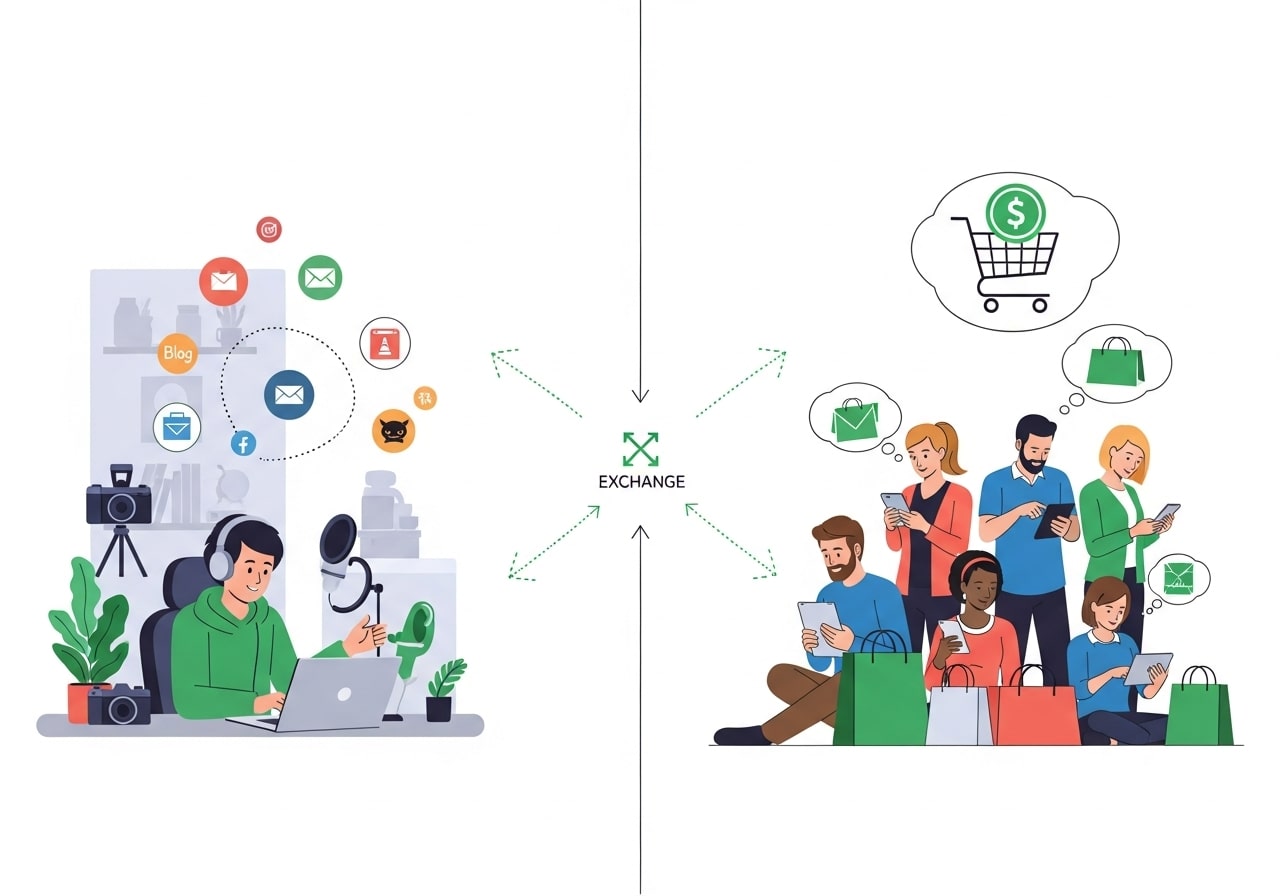
Knowing Your Customers Gives You the Upper Hand
Imagine trying to sell a product to someone whose needs you don’t fully understand. Analytics data provides insights into demographic and behavioral trends, so you can cater your strategies directly to your audience’s preferences. From age and location to interests and purchasing habits, this data can be the difference between a thriving affiliate campaign and wasted effort.
Data is Your Compass
Affiliate marketing involves countless moving parts. From website traffic and click-through rates (CTR) to conversions and revenue, analytics act as your compass. They help pinpoint what’s working, what isn’t, and where untapped opportunities lie.
Optimization Equals Cash Flow
When you leverage analytics effectively, you can fine-tune every part of the buyer’s journey. The end result? Improved affiliate sales, better ROI, and a more sustainable operation.
Key Analytics Metrics Every Affiliate Marketer Should Track
Before you can improve your affiliate sales, you need to know which metrics are worth focusing on.
1. Website Traffic
Visitors are the lifeblood of the success of affiliate marketing. With tools like Google Analytics, you’ll be met with metrics showing how many people are visiting your site, where they’re coming from, and how long they’re sticking around. High traffic is a good sign, but that doesn’t help if you don’t know what those visitors do when they get to your site.
- Tip: Use analytics to determine which traffic sources (e.g., social media, search engines, or email campaigns) bring in highly engaged users who convert.
2. Click-Through Rate (CTR)
CTR measures the percentage of people who click on your affiliate links. A low CTR usually points to poorly placed or unattractive links, while a high CTR suggests that your placement and messaging are effective.
- Tip: Experiment with different call-to-action (CTA) placement and wording to see which approach maximizes clicks.
3. Conversion Rate
This is the percentage of visitors who click on your affiliate link and actually purchase the promoted product. Tracking conversion rates shows you exactly how effectively your affiliate offers are working.
- Tip: Pair affiliate analytics tools like Voluum or Affise with your product vendor’s reporting system for a fuller picture of conversion data.
4. Revenue Per Click (RPC)
RPC evaluates how much income you generate for every single click on your affiliate links. Higher RPC indicates better product monetization and engagement quality.
- Tip: Compare RPC across different affiliate products to identify which partnerships yield the most revenue.
5. Bounce Rate
A high bounce rate means visitors are leaving your site without engaging further. This is a red flag indicating that either your content isn’t resonating or your site navigation needs improvement.
- Tip: Optimize your landing pages to make them visually appealing and relevant to visitors’ initial interests.
Role of First-Party Data in Affiliate Marketing

First-party data is becoming increasingly important for affiliate marketers as privacy regulations tighten and third-party cookies decline. This data includes information you collect directly from your audience, such as email subscribers, site behavior, and purchase history. By leveraging first-party data, affiliates can build stronger relationships, personalize offers, and improve targeting accuracy. Unlike third-party data, first-party data is more reliable and compliant with privacy laws. Using analytics tools to analyze this data helps marketers understand user intent, optimize campaigns, and create long-term, sustainable affiliate strategies.
Importance of Funnel Analysis for Affiliates
Funnel analysis helps affiliate marketers understand how users move from first interaction to final conversion. By tracking each stage—awareness, engagement, click, and purchase—you can identify where users drop off and why. Analytics tools allow you to see which pages attract traffic but fail to convert and which steps need optimization. Improving weak points in the funnel can significantly boost conversions without increasing traffic. Funnel-focused analytics help affiliates create smoother user journeys, reduce friction, and maximize revenue from existing visitors.
Using Analytics to Improve SEO for Affiliate Sites
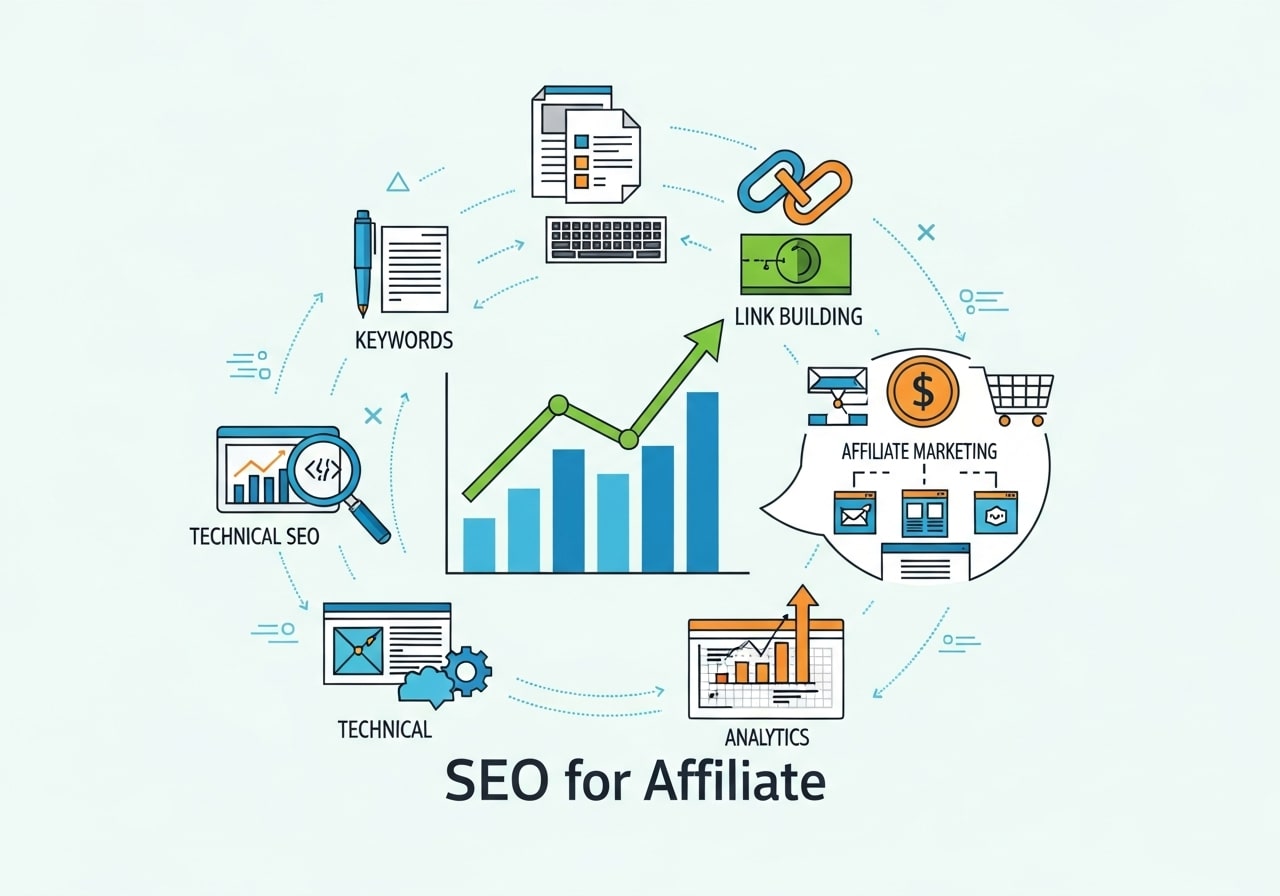
SEO and analytics go hand in hand for affiliate marketing success. Analytics tools reveal which keywords drive traffic, which pages rank well, and how users interact with search-driven content. By analyzing bounce rates, time on page, and conversion data, affiliates can optimize content to better match search intent. This leads to higher rankings and improved affiliate earnings. Data-driven SEO decisions help affiliates focus on keywords and topics that attract high-intent users rather than just high traffic volume.
Tracking Mobile vs Desktop Performance
Understanding how users behave across devices is critical for affiliate marketers. Analytics often show significant differences between mobile and desktop performance in terms of CTR, conversions, and bounce rates. If mobile traffic is high but conversions are low, it may indicate poor mobile optimization or slow load times. By tracking device-level data, affiliates can improve responsive design, simplify CTAs, and enhance user experience. Optimizing for mobile users is especially important as a large portion of affiliate traffic now comes from smartphones.
Attribution Models and Their Impact on Affiliate Revenue

Attribution models determine how credit for conversions is assigned across different touchpoints. For affiliate marketers, understanding attribution is crucial when users interact with multiple channels before converting. Analytics tools offer models such as last-click, first-click, and data-driven attribution. Choosing the right model helps affiliates accurately measure performance and make informed decisions. Proper attribution analysis prevents undervaluing important traffic sources and ensures smarter budget and content optimization for higher long-term revenue.
Building a Data-Driven Affiliate Growth Strategy
A successful affiliate business is built on consistent analysis and optimization. Rather than relying on guesswork, data-driven affiliates use analytics to guide content creation, traffic acquisition, and product selection. By regularly reviewing performance metrics, setting benchmarks, and testing new strategies, affiliates can scale sustainably. Analytics help identify growth opportunities, reduce wasted effort, and improve ROI over time. A long-term, data-first mindset allows affiliates to adapt to market changes and maintain steady income growth.
Using Analytics to Improve Affiliate Link Placement
Affiliate link placement plays a major role in conversion performance. Analytics tools help identify where users spend the most time and where they are most likely to click. By analyzing scroll depth, heatmaps, and click behavior, affiliates can place links naturally within high-engagement sections of content. Poorly placed links often get ignored, even with strong traffic. Data-driven placement ensures affiliate links appear at moments of high intent, such as after value-driven explanations or product comparisons. Optimizing placement based on real user behavior leads to higher CTR and better monetization without harming user experience.
How to Use Analytics Data to Improve Affiliate Sales
With the key metrics in hand, here are actionable strategies to use analytics for boosting affiliate sales.
1. Segment Your Audience for Tailored Strategies
Analytics tools such as Google Analytics or Hotjar can help you segment your audience based on their demographics, device usage, behavior, and more. By breaking down your audience into distinct categories, you can craft highly targeted campaigns that resonate with each group.
- Example: If you find a significant portion of your audience is male, aged 18-24, and primarily visits your site via mobile devices, focus on mobile optimization and display products popular with this demographic.
2. Optimize Content with Behavioral Insights
Your analytics data can tell you which content is driving the most engagement, clicks, and conversions. Use this information to create more of what works.
Action Plan:
- Identify your top-performing blog posts or pages.
- Add additional affiliate links or CTAs to those pages.
- Use heatmap tools like Crazy Egg to see where users are clicking and ensure that your links are optimally placed.
3. A/B Test Your Strategies
Your analytics insights can guide A/B tests to optimize specific elements of your affiliate campaigns. This can include everything from link placement and CTA wording to email subject lines and landing page designs.
- Example: Test two versions of a product review page with different headlines to see which drives more clicks on affiliate links.
4. Focus on the Right Products
Not every affiliate product will resonate with your audience. Use analytics to identify which ones convert the best.
- Tip: Look at metrics like RPC and conversion rates for each product you promote. Drop underperformers and double down on those with high returns.
5. Leverage Geo-Targeting Insights
Analytics often reveal where your visitors are located, which can help you promote region-specific products or tailor campaigns to regional preferences.
- Action Plan: Promote products relevant to specific geographic areas. For instance, if a large number of your audience is based in the United States, consider emphasizing deals from U.S.-based retailers that offer local shipping benefits.
6. Monitor Trends and Adjust Quickly
Trends can make or break your affiliate campaigns. Advanced analytics platforms can track real-time data, helping you react to emerging opportunities or challenges quickly.
- Example: If a particular affiliate link suddenly sees a drop in clicks or conversions, investigate why and adjust your strategy accordingly.
Tools to Turn Analytics Into Results
No guide would be complete without mentioning tools that streamline analytics tracking and application.
Recommended Analytics Tools for Affiliates
- Google Analytics (free): Track general traffic trends, audience demographics, and behaviors.
- SEMrush (paid): Excellent for SEO data and competitive research in affiliate niches.
- Voluum (paid): Designed specifically for affiliate marketers with in-depth campaign tracking capabilities.
- Hotjar (freemium): Offers heatmaps and behavior-tracking tools to optimize website performance.
These tools help demystify data, turning raw numbers into actionable insights that fuel affiliate marketing success.
Unlock Your Affiliate Potential
Affiliate marketing success doesn’t happen by chance. It’s making analytics data work for you so you can consistently outperform the competition and serve your audience. The affiliate funnel is optimized by monitoring important statistics such as the number of visits to your site, CTR, and conversion rate, and using the latest available solutions in order to make the right decisions.
Environmentalists must remember, however, that it’s not enough to gather data. Where the real value comes in is how you use this information to make decisions and continue to refine your line of attack over time.
Frequently Asked Questions (FAQ)
1. Why are analytics important in affiliate marketing?
Analytics help affiliate marketers understand audience behavior, track performance, and identify what drives conversions. Without analytics, it’s difficult to know which strategies are working and where improvements are needed.
2. Which analytics metrics matter most for affiliate marketing?
Key metrics include website traffic, click-through rate (CTR), conversion rate, revenue per click (RPC), and bounce rate. These metrics provide insights into traffic quality, user engagement, and monetization effectiveness.
3. Can beginners use analytics tools effectively?
Yes. Tools like Google Analytics are beginner-friendly and provide essential data for tracking performance. As skills grow, more advanced tools like Voluum or Hotjar can be added for deeper insights.
4. How does analytics help increase affiliate sales?
Analytics reveal which content, traffic sources, and affiliate products perform best. By focusing on high-performing elements and optimizing weak areas, marketers can improve conversions and overall revenue.
5. What is Revenue Per Click (RPC) and why is it important?
RPC measures how much money you earn per click on affiliate links. It helps identify which affiliate offers and traffic sources generate the most revenue, making it easier to prioritize profitable partnerships.
6. How often should affiliate marketers review analytics data?
Affiliate marketers should review key metrics regularly—daily or weekly for active campaigns and monthly for broader trend analysis. Frequent monitoring allows faster optimization and better results.
7. Are free analytics tools enough for affiliate marketing?
Free tools like Google Analytics are sufficient for many affiliates, especially beginners. However, advanced marketers may benefit from paid tools that offer deeper tracking, attribution, and automation features.
8. How can analytics improve content strategy?
Analytics show which pages attract traffic, generate clicks, and convert users. This helps marketers create more of what works, optimize underperforming content, and place affiliate links more strategically.
9. What role does audience segmentation play in affiliate analytics?
Audience segmentation allows marketers to tailor offers based on demographics, behavior, device type, or location. This personalization often leads to higher engagement and conversion rates.
10. Is collecting data enough to succeed in affiliate marketing?
No. The real value of analytics comes from taking action on the data—testing strategies, refining content, and continuously optimizing campaigns based on insights.