
SEO Affiliate Marketing Explained And How to Get Started

Affiliate marketing has grown into one of the most lucrative ways for content creators and businesses alike to generate revenue online. Paired with the power of Search Engine Optimization (SEO), this strategy becomes a powerhouse for driving traffic and earning commissions. But what exactly is SEO affiliate marketing, and how can you harness it to its full potential? This comprehensive guide explains everything you need to know.
What is SEO Affiliate Marketing?
At its core, affiliate marketing is a performance-based strategy where individuals (affiliates) promote a business’s products or services and earn a commission for every sale, click, or lead generated through their efforts. SEO affiliate marketing combines this approach with the power of search engine optimization to attract organic traffic to affiliate websites, blogs, or landing pages.
Why Combine SEO with Affiliate Marketing?
- Long-term Traffic: SEO focuses on building sustainable traffic through high search engine rankings, eliminating the need for constant ad spend.
- High ROI Potential: Since the traffic you acquire is organic, your operational costs remain low compared to paid advertising campaigns.
- Scalability: Once optimized content ranks, it continues to drive consistent traffic, creating room for greater revenue opportunities over time.
- Authority Building: By providing valuable and well-researched content, you build trust with both readers and search engines, improving conversions.
Key Benefits of SEO Affiliate Marketing
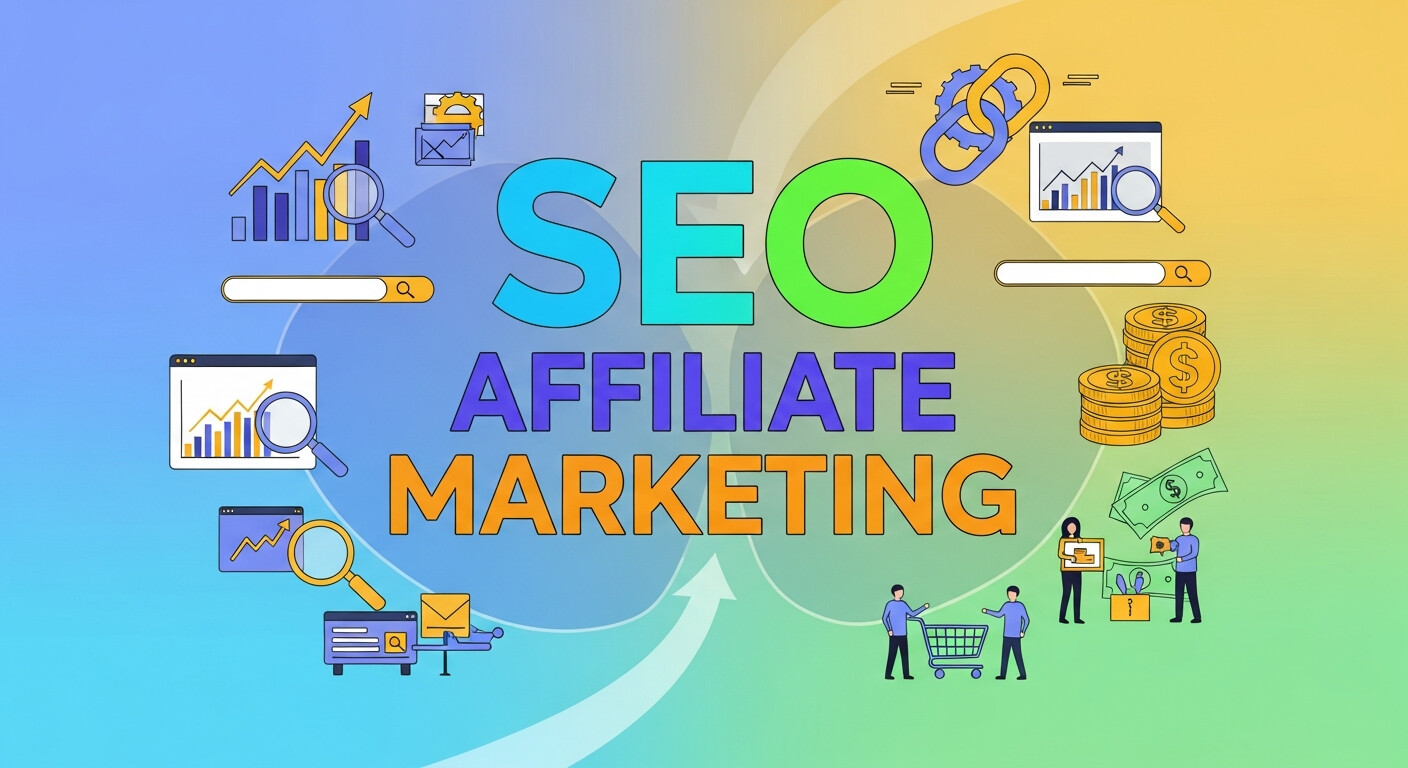
Done right, SEO affiliate marketing can work like a well-oiled machine, offering these clear advantages:
- Cost-Effective: You’re not paying for every click or impression, but instead earning through free organic traffic.
- Credibility: When users find your affiliate links through informational and high-quality content, they’re more likely to trust your recommendations.
- Boundaryless Marketing: With SEO, you’re reaching a global audience, ensuring your efforts aren’t bound by geography.
- Passive Income Opportunity: Once your content ranks and attracts traffic, it can generate commissions without much hands-on involvement.
How to Get Started with SEO Affiliate Marketing
If you’re ready to grow your income with SEO and affiliate marketing, follow these steps to ensure success:
1. Choose the Right Niche
Not all niches are created equal! Selecting a niche is foundational to your affiliate marketing strategy, so choose one where you can confidently create content. Look for niches that:
- Are profitable (high-paying affiliate programs exist)
- Have consistent demand and search volume
- Align with your interests or expertise
Popular niches include fitness, technology, finance, travel, and beauty. For example, a niche like “home fitness equipment” has a high potential, combining affiliate opportunities with solid search volumes.
2. Research and Join Affiliate Programs
Not all affiliate programs are equally lucrative, so take your time selecting those that align with your niche. You can either promote products directly from vendors’ affiliate programs or join affiliate networks, such as:
- Amazon Associates (ideal for beginners)
- ShareASale (variety of niches)
- ClickBank (digital products)
- CJ Affiliate (established brands)
Ensure you understand the program’s commission rates, payment terms, and policies.
3. Conduct Keyword Research
Keywords are the backbone of any successful SEO campaign. Use SEO tools like Google Keyword Planner, Ahrefs, or SEMrush to identify:
- High-volume keywords related to your niche
- Long-tail keywords (‘best home exercise bikes under $500,’ as an example)
- Keywords with low competition that give you opportunities to rank faster
Pro tip: Focus on intent-based keywords such as “best,” “reviews,” and “comparison.” These often indicate that users are ready to make purchasing decisions.
4. Create High-Quality Content
Google’s algorithm favors websites that deliver high-value, informative content. Make sure your content:
- Provides genuine value to users
- Matches their search intent (informational, navigational, or transactional)
- Includes your affiliate links naturally and transparently
Here are a few content types that tend to perform well in SEO affiliate marketing:
- Product Reviews: Evaluate the pros and cons of products, giving readers an honest perspective.
- Comparison Articles: Compare two or more products to simplify decision-making for your audience.
- How-To Guides: Help users solve a problem using a product or service.
- Listicles: Compile the best products in your niche—for example, “Top 10 Budget Laptops in 2024.”
5. Master On-Page SEO
To rank in search engine results pages (SERPs), your content must meet on-page SEO standards. Here’s how:
- Use your target keywords in the title, headers, and throughout the content (without overstuffing).
- Optimize meta titles and meta descriptions with keywords that improve click-through rates.
- Add alt text to images to make them more SEO-friendly.
- Use internal and external links to guide users and aid search engine crawling.
6. Track and Analyze Your Performance
Without understanding what’s working (and what isn’t), it’s hard to improve. Use tools like Google Analytics, Ahrefs, and affiliate dashboards to monitor:
- Website traffic
- Organic search rankings
- Affiliate link click-through rates
- Conversion rates and commissions generated
Use these insights to refine your strategy over time.
Understanding Search Intent for Affiliate Success

Search intent is one of the most critical factors in SEO affiliate marketing. It refers to the reason behind a user’s search—whether they are looking for information, comparing options, or ready to make a purchase. Successful affiliates focus heavily on commercial and transactional intent keywords, such as “best,” “review,” or “vs.” Understanding intent allows you to create content that directly answers user needs, improving rankings and conversions. When your content matches intent, users stay longer, trust your recommendations more, and are more likely to click affiliate links. Ignoring search intent often leads to traffic that doesn’t convert.
The Role of E-E-A-T in SEO Affiliate Marketing
Google places strong emphasis on Experience, Expertise, Authoritativeness, and Trustworthiness (E-E-A-T), especially for affiliate content. To succeed, your website must demonstrate real knowledge and credibility within your niche. This can be achieved by publishing in-depth content, showing hands-on experience with products, citing reliable sources, and maintaining transparency with affiliate disclosures. Including author bios, about pages, and contact information also improves trust signals. High E-E-A-T helps your site rank better and reassures users that your recommendations are genuine, not purely profit-driven.
Building Backlinks for Affiliate SEO Growth
Backlinks remain one of the strongest ranking factors in SEO affiliate marketing. Quality backlinks signal to search engines that your content is valuable and trustworthy. Affiliates can build backlinks through guest posting, digital PR, broken link building, and creating link-worthy content such as guides, statistics, or tools. Avoid spammy link-building tactics, as they can result in penalties. Instead, focus on earning links from relevant, authoritative websites within your niche. A strong backlink profile can significantly improve rankings and organic traffic over time.
Optimizing Affiliate Content for Conversions
Ranking on Google is only half the battle—conversion optimization is what turns traffic into revenue. Effective affiliate content uses clear structure, compelling calls-to-action (CTAs), comparison tables, and trust signals like pros and cons, reviews, and FAQs. Page speed, mobile responsiveness, and readability also play key roles in conversions. Use buttons instead of plain links when appropriate, and place affiliate links strategically where user intent is highest. Small improvements in conversion rates can dramatically increase earnings without needing more traffic.
Mobile SEO and Its Impact on Affiliate Revenue
Most affiliate traffic now comes from mobile devices, making mobile SEO essential. Google uses mobile-first indexing, meaning your site’s mobile version determines rankings. Ensure your website is responsive, loads quickly, and offers a smooth user experience on smaller screens. Avoid intrusive pop-ups and ensure affiliate links are easy to click. Mobile-optimized content improves engagement, reduces bounce rates, and increases conversions. Ignoring mobile optimization can severely limit both traffic and affiliate earnings, even if your desktop experience is strong.
Content Updating and SEO Maintenance Strategy
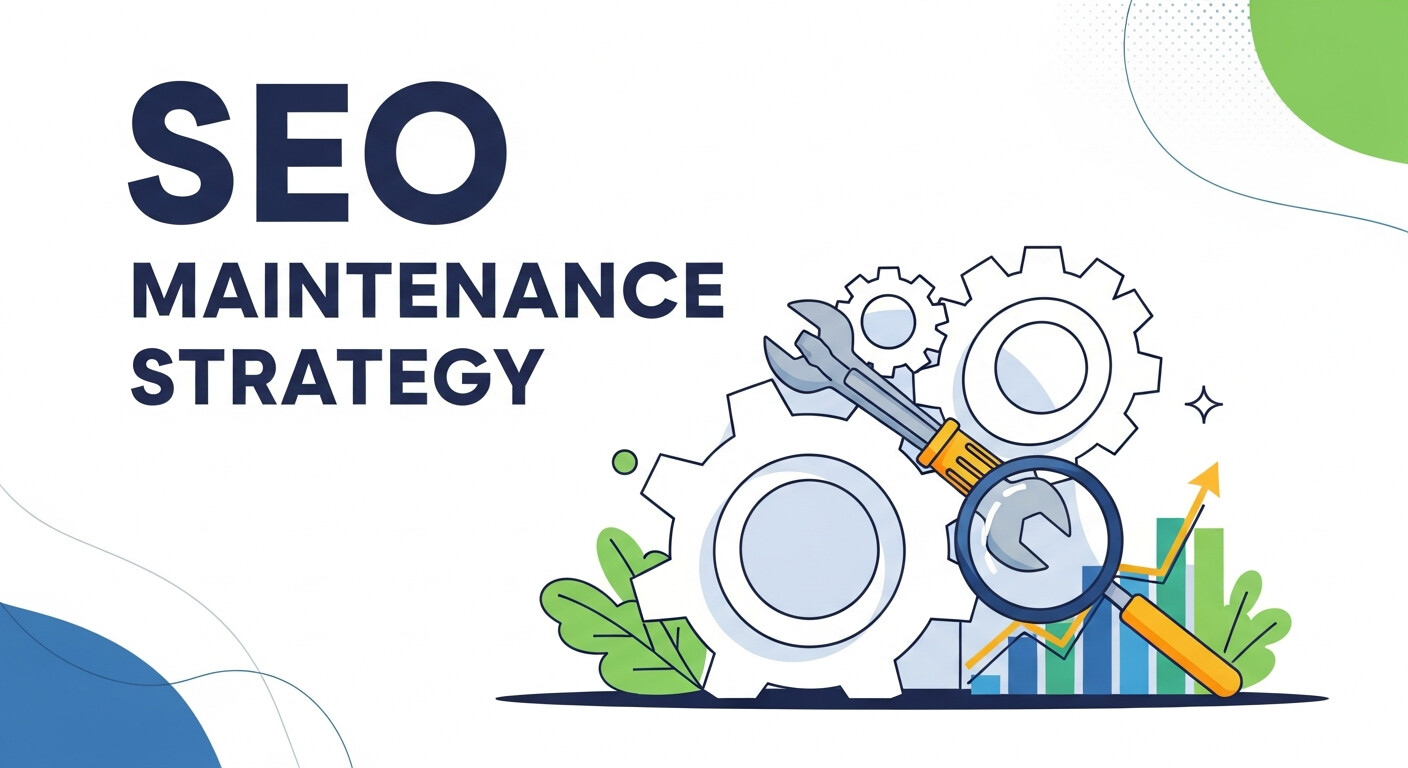
SEO affiliate marketing is not a “set and forget” strategy. Regularly updating content is crucial to maintain rankings and relevance. Refresh outdated information, update product pricing, replace discontinued products, and improve content depth. Google favors fresh, accurate content—especially for review and comparison articles. Content updates also provide opportunities to target new keywords and improve internal linking. Affiliates who consistently optimize existing content often see faster growth than those who only publish new posts.
Scaling SEO Affiliate Marketing for Long-Term Growth
Once your initial content starts ranking and generating commissions, scaling becomes the next goal. This can involve expanding into related sub-niches, publishing more comparison and review content, hiring writers, or building multiple niche sites. Scaling also means systemizing keyword research, content creation, and link-building processes. With strong foundations in SEO and content quality, affiliate marketing can evolve into a highly scalable business model. The key is to grow strategically while maintaining trust, relevance, and content standards.
Common Mistakes in SEO Affiliate Marketing to Avoid
Making mistakes in the early stages is common, but knowing what to avoid can save time and resources. Here are the top missteps to watch out for:
- Choosing the Wrong Niche: You may love rare knitting patterns, but it’s unlikely to be profitable at scale.
- Keyword Stuffing: Overusing keywords hurts your rankings.
- Ignoring Mobile Optimization: Search engines prioritize mobile-friendly websites.
- Failing to Disclose Affiliate Links: Transparency equals trust. Use disclaimers to notify users when links are affiliate-driven.
- Over-promotion: Users look for genuine recommendations, not just sales pitches.
Why SEO Affiliate Marketing is a Game Changer for Marketers
SEO affiliate marketing works because it offers a win-win solution for affiliates and businesses.
Affiliates can generate sustainable income while businesses benefit from cost-effective promotion models, pay-for-performance, and a more genuine endorsement compared to paid ads.
Take Your First Step Toward Affiliate Success
SEO affiliate marketing is one of the most effective ways to build both authority and income, provided you stick to best practices and avoid rookie mistakes. By choosing the right niche, creating high-quality content, and keeping an eye on the latest SEO best practices, you can cultivate a system that delivers passive income for years to come.
If you’re ready to kickstart your SEO affiliate marketing strategy, remember to begin with competitive keywords and valuable content. Here’s to your first commission!
Frequently Asked Questions (FAQ)
What is SEO affiliate marketing?
SEO affiliate marketing is the practice of promoting affiliate products or services using search engine optimization to attract organic traffic. Affiliates earn commissions when users take actions—such as purchases or sign-ups—through their affiliate links.
Is SEO affiliate marketing suitable for beginners?
Yes. While it takes time to see results, SEO affiliate marketing is beginner-friendly because it doesn’t require paid advertising. With proper keyword research, quality content, and patience, beginners can build sustainable income streams.
How long does it take to make money with SEO affiliate marketing?
Typically, it can take 3–6 months to see initial traffic and 6–12 months to generate consistent income. Results depend on competition, content quality, niche selection, and SEO execution.
Do I need a website for SEO affiliate marketing?
In most cases, yes. A website or blog allows you to publish optimized content, rank on search engines, and build authority. Some affiliates use platforms like YouTube, but websites offer greater long-term SEO control.
How many affiliate links should I include in my content?
There is no fixed number, but affiliate links should be used naturally and sparingly. Focus on helping the reader first. Overloading content with links can reduce trust and hurt conversions.
What are the best types of content for SEO affiliate marketing?
Product reviews, comparison posts, buying guides, listicles, and how-to articles perform best. These formats align well with buyer intent and often convert more effectively.
Is SEO affiliate marketing still profitable in 2024 and beyond?
Yes. As long as people use search engines to research products, SEO affiliate marketing remains profitable. Success now depends more on content quality, authority, and user experience than shortcuts.
Do affiliate links affect SEO rankings?
Affiliate links themselves do not harm rankings if used properly. Use relevant links, add proper disclosures, and avoid spammy practices. Adding “nofollow” or “sponsored” attributes is recommended.
Can I do SEO affiliate marketing without paid tools?
Yes. While paid tools help with research and tracking, free tools like Google Search Console, Google Analytics, and keyword research alternatives can support beginners effectively.
What is the biggest mistake in SEO affiliate marketing?
The biggest mistake is focusing on quick profits instead of long-term value. Thin content, poor keyword choices, and lack of trust-building often lead to failure.