
How to Do Amazon Affiliate Marketing Like a Pro
This extensive guide explores the journey of becoming a successful Amazon Associate. We cover everything from niche selection and high-converting content creation to advanced SEO strategies and data analytics, providing a blueprint for both beginners and pros to maximize their digital earnings.
Unlock the full potential of Amazon Affiliate Marketing to build a reliable passive income stream by leveraging the world’s most trusted e-commerce ecosystem and massive product selection.
How to Do Amazon Affiliate Marketing Like a Pro
The digital landscape is shifting rapidly, but one question remains a hot topic in entrepreneurial circles: Is affiliate marketing dead? Far from it. In fact, Amazon Affiliate Marketing—formally known as Amazon Associates—remains the gold standard for individuals looking to monetize their influence, blogs, and social media presence.
As we navigate the era of modern businesses, the ability to connect a global audience with physical products through online affiliate marketing is more valuable than ever. Whether you are a seasoned blogger or someone looking for a beginner’s guide to affiliate digital marketing, understanding the nuances of Amazon’s platform is the first step toward financial independence.
What Is Amazon Affiliate Marketing?
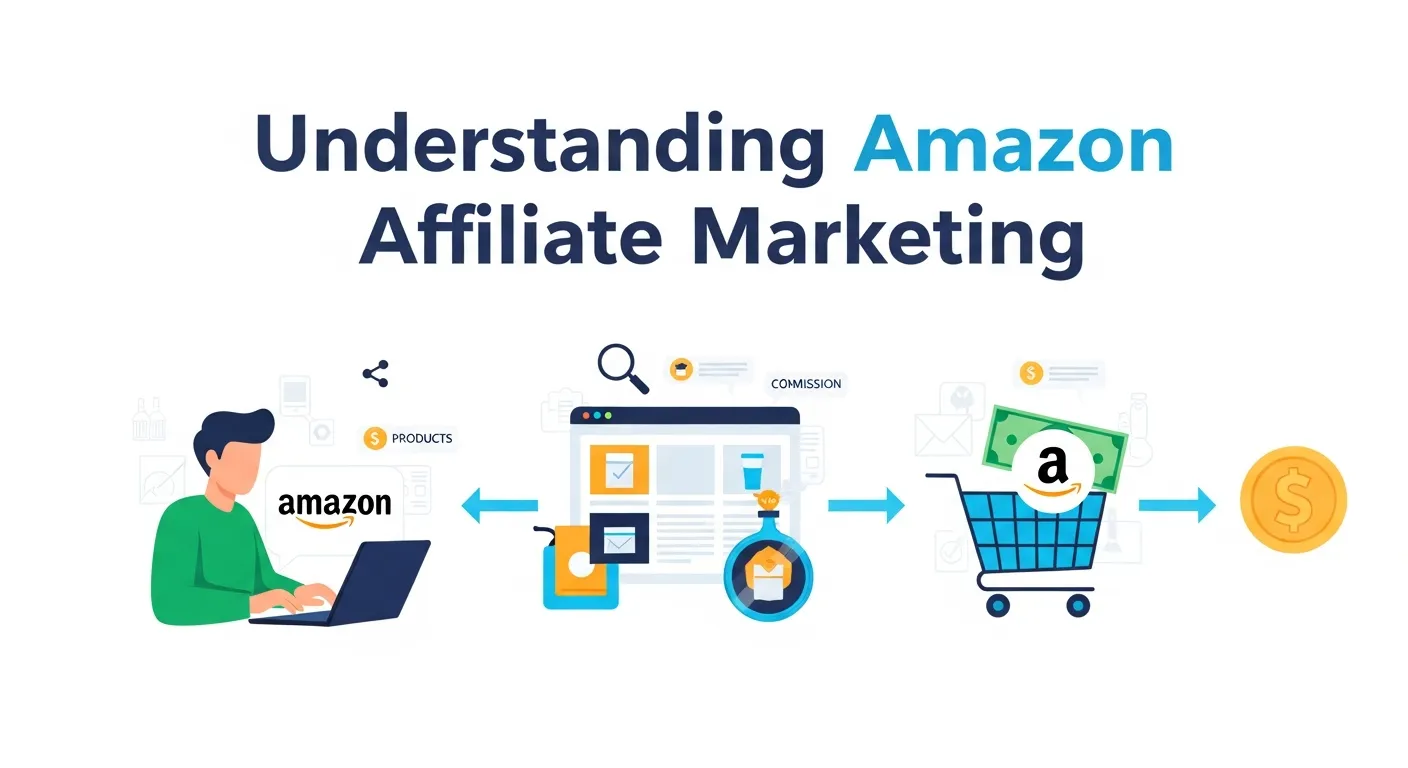
At its core, Amazon Affiliate Marketing is a performance-based referral program. You, the affiliate, act as a digital matchmaker. By utilizing what is an affiliate marketing program—in this case, Amazon’s—you earn a percentage of every sale made through your unique tracking links.
The beauty of this model lies in its simplicity. You don’t need to worry about inventory, shipping, or customer returns. Your primary objective is to master digital affiliate marketing by creating content that guides a consumer toward a purchase decision. When a user clicks your link, a “cookie” is placed in their browser. If they buy anything on Amazon within the next 24 hours, you receive a commission.
Why Choose Amazon Over Other Networks?
While you might explore affiliate marketing networks like ShareASale or ClickBank affiliate marketing, Amazon offers unique advantages:
-
Trust and Brand Equity: Amazon has mastered brand awareness. Customers are comfortable entering their credit card details on a site they already use daily.
-
The “Halo Effect”: If a user clicks your link for a $10 book but ends up buying a $2,000 television, you get the commission for the TV. This is why Amazon Affiliate Marketing is often more lucrative than it appears on the surface.
-
High Conversion Rates: Amazon’s “Buy Now” button and Prime shipping are psychological triggers that boost customer journey mapping efficiency.
Step 1: How to Start Affiliate Marketing with Amazon
Getting started is a straightforward process, but doing it “like a pro” requires attention to detail during the setup phase.
The Registration Process
Visit the Amazon Associates homepage. To become an affiliate marketer for Amazon, you need an established platform. Whether it is a blog, a YouTube affiliate marketing channel, or a significant social media following, Amazon wants to see that you have a place to host your links.
Defining Your Traffic Sources
During registration, you must list your websites for affiliate marketing. Be honest. Amazon’s compliance team is strict. If you plan to do affiliate marketing on Reddit or affiliate marketing on TikTok, ensure these platforms are disclosed.
Setting Up Payment and Taxes
Pro-level tip: Set up your tax information immediately. Amazon will hold your payments until this is verified. You can choose to be paid via direct deposit, Amazon gift cards, or check.
Step 2: Choosing Your Profitable Niche
Many beginners fail because they try to promote everything. To succeed in affiliate marketing, you must narrow your focus.
| Niche Category | Potential Commission | Why It Works |
| Home & Garden | High | High ticket items (furniture) + frequent refills. |
| Tech & Electronics | Moderate | High volume; perfect for YouTube affiliate marketing. |
| Health & Beauty | High | Health affiliate marketing thrives on repeat purchases. |
| Luxury Goods | Variable | Focus on luxury brand marketing for high-ticket commissions. |
When selecting a niche, consider AI-driven trend forecasting. Use tools like Google Trends to see if your chosen category is seasonal or evergreen. For instance, EID marketing ideas or holiday promotions can lead to massive spikes, but a sustainable business needs evergreen traffic.
Step 3: Creating High-Converting Content
How to create high-converting affiliate marketing content is the secret sauce. You aren’t just selling; you are helping.
The Power of Product Reviews
Don’t just list features. Professional affiliates use storytelling and emotional marketing. Explain how the product solved a problem. If you are doing affiliate marketing with AliExpress or Amazon, show the product in action.
Comparison “Versus” Posts
Terms like “Product A vs. Product B” are high-intent keywords. Users searching for these are at the bottom of the webinar sales funnel—they are ready to buy but just need a final nudge.
How to Make a Website for Affiliate Marketing
While you can do social media affiliate marketing, owning your platform is safer. Learn how to start affiliate marketing on Shopify or use WordPress. If you choose WordPress, look for the best affiliate marketing plugins for WordPress success to manage your links and track data.
Step 4: Mastering SEO Affiliate Marketing
The role of SEO in affiliate marketing cannot be overstated. Organic traffic is “free” traffic that works for you 24/7.
- Keyword Intent: Focus on “Buyer Intent” keywords. “Best laptop for students” is better than “What is a laptop?”
- On-Page Optimization: Use your focus keyword, Amazon Affiliate Marketing, in your H1, subheadings, and meta description.
- Ethical Link Building: Use guest posting services or local SEO services to build authority for your site. Avoid “black hat” tactics like link farming, which can damage your digital reputation management.
Step 5: Leveraging Multi-Channel Strategies
Don’t put all your eggs in one basket. Pros use an integrated marketing approach.
- Affiliate Marketing on Pinterest: Pinterest is a visual search engine. Use it to drive traffic to your gift guides.
- YouTube Affiliate Marketing: Video is the most persuasive medium. A “Top 5” video with links in the description is a goldmine.
- Affiliate Marketing on TikTok: Use viral marketing strategies to showcase products. TikTok’s algorithm is perfect for making your product go viral.
- Email Affiliate Marketing: Use email marketing services to nurture your audience. Send a weekly newsletter with your favorite “Amazon Finds.”
Step 6: Advanced Strategies and Scaling
Once you are making a consistent income, it’s time to treat this like a brand marketing operation.
Using Data Analytics
Professional affiliates don’t guess. They use affiliate marketing data analysis to see which products have the highest conversion rates. Use Google Analytics to track user behavior on your site.
AI in Affiliate Marketing
In 2026, AI-driven trend marketing is essential. Use AI to generate content outlines, analyze business trends, and even handle affiliate marketing automation. This allows you to scale from one site to ten.
High-Ticket Affiliate Marketing
While Amazon is great for volume, consider adding high-ticket affiliate marketing to your portfolio. Programs like the Shopify affiliate program or Puma affiliate marketing program might offer higher individual payouts that complement your Amazon earnings.
Staying Compliant: The “Dark Side” of Viral Marketing
Amazon is notorious for banning accounts that break the rules.
- Disclosure: You must clearly state that you earn a commission. This is part of ethical branding.
- Price Accuracy: Do not hard-code prices into your site, as they change frequently. Use Amazon Affiliate Marketing tools that pull prices via API.
- No Links in Emails: Amazon Affiliate Marketing forbids putting affiliate links directly in emails. Instead, link to a blog post that contains the affiliate links.
Amazon vs. Competitors
| Feature | Amazon Associates | Walmart Affiliate | Shopify Affiliate |
| Cookie Duration | 24 Hours | 3 Days | 30 Days |
| Trust Factor | Extremely High | High | Moderate (B2B) |
| Ease of Entry | Easy | Moderate | Hard |
| Best For | Physical Products | Household Items | B2B Affiliate Marketing |
Integrating AI into Your Amazon Affiliate Content Strategy
The integration of AI in affiliate marketing has revolutionized how creators maintain a competitive edge on Amazon. By utilizing advanced language models and data-driven tools, marketers can now generate high-quality product comparisons and buying guides at an unprecedented scale. AI-driven trend forecasting allows you to identify rising consumer interests before they reach peak saturation, giving you the first-mover advantage in high-intent search results. Instead of spending hours on manual research, you can leverage automation to analyze customer reviews and extract key pros and cons that resonate with your audience. This strategic use of technology ensures that your content remains both relevant and optimized for modern search algorithms, ultimately driving higher click-through rates and maximizing your Amazon Associates revenue through efficient and smart content production.
The Crucial Role of Brand Awareness and Authority
Building significant brand awareness is essential for long-term success in the Amazon affiliate space. When users trust your brand marketing, they are more likely to follow your recommendations and click through to your affiliate links. Establishing authority in a specific niche transforms your platform from a simple link farm into a trusted resource, which is vital for maintaining high conversion rates. Proactive brand positioning helps you stand out in a crowded market where many affiliates simply copy-paste product descriptions. By developing a unique brand voice and a consistent visual identity, you foster a sense of loyalty among your readers. This trust-based relationship serves as a protective barrier against algorithm changes, ensuring that your audience returns to your site for your expert opinion and curated product selections.
Optimizing the Customer Journey for Higher Conversions
Understanding the nuances of customer journey mapping is a fundamental skill for any top-tier digital marketer. In the context of Amazon affiliate marketing, you must guide your visitors through various stages of the funnel, from initial awareness to the final purchase decision. Strategic product positioning within your content ensures that you are offering the right solution at the exact moment the user is ready to buy. By analyzing digital reputation management and social proof, you can emphasize why a specific Amazon Affiliate Marketing product is the best choice for their needs. This holistic approach involves optimizing your website’s user experience, ensuring fast load times, and placing clear, compelling calls to action. When the path from discovery to checkout is seamless, you significantly boost your chances of capturing that valuable 24-hour Amazon cookie.
Strategic Use of Seasonal Trends and Holiday Promotions

Maximizing your annual earnings requires a sophisticated understanding of seasonality in marketing. Throughout the year, consumer behavior shifts based on holidays, festivals, and seasonal needs, offering unique opportunities for increased commissions. By planning your content around holiday promotions like Black Friday, Cyber Monday, or Prime Day, you can tap into periods of intense buying activity. Creating dedicated landing pages for unique marketing ideas, such as gift guides or seasonal checklists, allows you to capture traffic from users looking for specific recommendations. Using seasonal hashtag strategies on social media further amplifies your reach during these peak times. This forward-thinking approach ensures that you are always aligned with the “Magic of Seasonal Markets,” allowing you to stay ahead of the curve and capture the surge in Amazon consumer spending.
The Future of Affiliate Marketing and Long-Term Sustainability
Looking ahead, the future of affiliate marketing lies in the ability to adapt to a rapidly changing digital ecosystem. As platforms evolve and consumer privacy regulations tighten, successful affiliates must focus on building a sustainable business model that doesn’t rely on a single traffic source. Diversifying your efforts across multiple affiliate marketing networks while maintaining a strong core with Amazon allows for greater financial resilience. Emphasizing ethical branding and transparency will become increasingly important as audiences demand more authenticity from their influencers and reviewers. By staying informed about business trends and continuously refining your SEO affiliate marketing techniques, you can ensure that your digital assets continue to appreciate. Ultimately, the winners in this space will be those who prioritize the user experience and maintain a commitment to delivering genuine value.
Conclusion
Mastering Amazon Affiliate Marketing is a marathon, not a sprint. By focusing on providing genuine value, mastering SEO affiliate marketing, and staying ahead of business trends, you can build a digital asset that pays dividends for years. Start by picking your niche today and commit to the 7 simple steps of high-quality content creation.
FAQs about Amazon Affiliate Marketing
1. How much do affiliate marketers make?
Earnings vary wildly. Beginners might make $100 a month, while experts utilizing the ultimate blueprint for scaling affiliate marketing revenue can make six or seven figures annually.
2. Can you really make $100 a day with affiliate marketing?
Yes. To earn $100 a day with Amazon Affiliate Marketing, assuming a 5% commission and a 3% conversion rate, you would need roughly 1,500 targeted visitors to your links daily.
3. Is affiliate marketing legit?
Absolutely. It is a multi-billion-dollar industry. Major brands use referral marketing because it is a low-risk way for them to acquire new customers.
4. How to start affiliate marketing with no money?
You can start for free by utilizing social media affiliate marketing (Instagram, TikTok) or free blogging platforms. This is often called how to become an affiliate marketer with zero cost.
5. What is the difference between Affiliate Marketing vs. MLM?
Affiliate marketing vs MLM is a common point of confusion. Affiliate marketing involves selling a product for a brand and getting a commission. MLM (Multi-Level Marketing) focuses on recruiting others to sell under you. Affiliate marketing is widely considered more ethical and sustainable.
6. Do I need a business license for Amazon Affiliate Marketing?
In most regions, you can start as a sole proprietor. However, as you scale and your brand equity grows, forming an LLC is recommended for tax and legal protection.
7. Can I use Amazon links on Facebook?
Yes, but you should avoid “spamming” groups. Facebook affiliate marketing works best when you share links on your own professional page or through influencer affiliate marketing.
8. How do I choose the best affiliate networks?
Look for networks with a long history of on-time payments, a wide variety of products in your niche, and robust affiliate marketing management tools.
9. Why is my Amazon Affiliate account being closed?
Common reasons include lack of sales in the first 180 days, not disclosing affiliate status, or using links in prohibited places like PDFs or e-books.
10. How much does it cost to start?
You can start with zero cost, but a professional setup (domain name, hosting, and best affiliate marketing apps) usually costs about $100-$200 per year.