
How to Do Affiliate Marketing on Pinterest (Step-by-Step Guide)
This guide explores the mechanics of earning commissions through Pinterest. We cover setting up a free business account, leveraging SEO affiliate marketing, designing high-converting pins, and choosing the right programs. Whether you start with zero budget or invest in tools, this is your blueprint for success.
Affiliate Marketing on Pinterest is a powerhouse strategy for creators, offering a unique blend of visual discovery and high-intent shopping that makes it accessible for beginners and scalable for professionals.
The Ultimate Guide to Affiliate Marketing on Pinterest
In the evolving landscape of online affiliate marketing, few platforms offer the organic reach and longevity of Pinterest. Unlike the ephemeral nature of a tweet or an Instagram story, a pin can circulate for years, driving consistent traffic to your offers. Many aspiring entrepreneurs ask: “Is affiliate marketing dead?” The answer is a resounding no—it has simply shifted toward platforms that prioritize user intent and visual search.
As of 2026, Pinterest has reached a record high of over 550 million monthly active users. This isn’t just a social network; it is a visual search engine where users go specifically to find inspiration, plan projects, or shop. This “buyer intent” is why affiliate marketing on Pinterest converts significantly higher than on other social channels.
What Is an Affiliate Marketing Program?
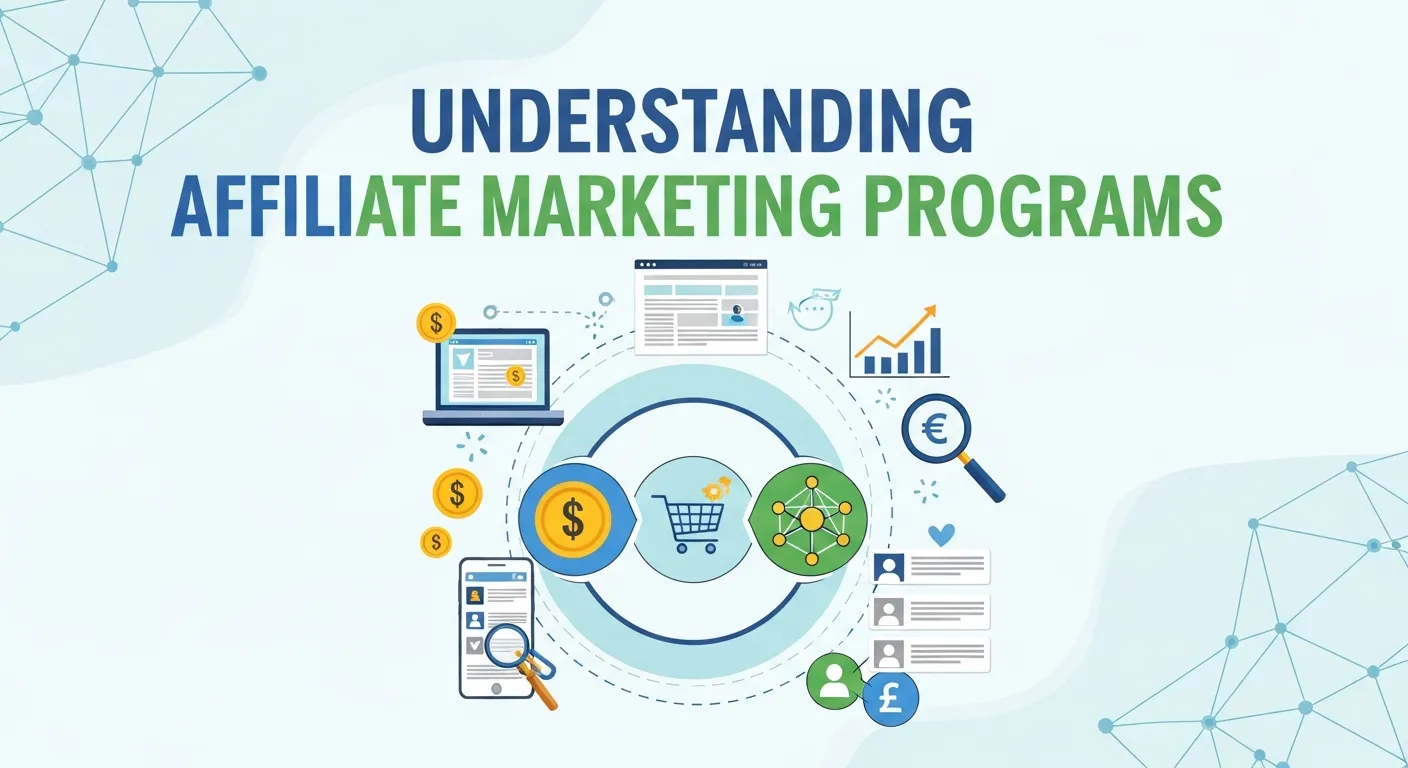
To succeed, you first need to understand what an affiliate marketing program is. At its core, it is a partnership where a business pays you a commission for sending traffic or sales their way via a unique tracking link. On Pinterest, you place these links inside your “Pins.”
| Program Name | Best For | Commission Type |
| Amazon Associates | General Consumer Goods | PPS (Pay-Per-Sale) |
| ShareASale | Fashion, Home & Lifestyle | PPS / PPL (Pay-Per-Lead) |
| Impact | Tech & Major Brands | Custom PPS |
| Etsy Affiliate | Handmade & Unique Gifts | PPS |
| RewardStyle (LTK) | Fashion Influencers | High-Commission Retail |
Setting Up Your “Command Center”
To do affiliate marketing on Pinterest professionally, you must create a Pinterest Business account. This gives you access to:
- Pinterest Analytics: Track clicks, saves, and impressions.
- Rich Pins: Automatically sync product info like price and stock status.
- Pinterest Ads: If you want to explore affiliate marketing advertising strategies.
When branding in marketing, your profile is your storefront. Use keywords in your display name and bio. For example: “Jane Doe | Travel Tips & Affordable Packing Gear.” This helps with brand positioning and searchability.
Finding the Right Niche and Programs
How to choose the right affiliate programs for your niche is critical. Pinterest excels in lifestyle categories.
- Home Decor: Over 23 billion pins; high intent for furniture and DIY.
- Health & Wellness: Perfect for health affiliate marketing and fitness gear.
- Tech Gadgets: Ideal for unlocking the potential of Walmart affiliate marketing or the Puma affiliate marketing program.
You can even start affiliate marketing with zero cost by joining networks like ClickBank affiliate marketing or AliExpress. If you’re a fan of premium brands, look into the Puma affiliate marketing program or the GoDaddy affiliate marketing program for digital services.
Designing Viral, High-Converting Pins
Pinterest is a visual-first platform. If your pins don’t stand out, you won’t get clicks.
- Vertical Format: Use a 2:3 aspect ratio (1000×1500 pixels).
- Text Overlays: Bold, readable fonts that provide a “hook,” such as “Top 5 Budget Travel Bags.”
- Video Pins: In 2026, video SEO is king. Videos between 6 and 15 seconds have 20% higher conversion rates than static images.
- AI in Affiliate Marketing: Use AI tools to generate multiple versions of a pin to see which design performs best.
Mastering Pinterest SEO
SEO affiliate marketing is what makes your pins discoverable months after you post them. Pinterest functions like Google—it uses keywords to categorize content.
- Keyword Placement: Include keywords in Pin titles, descriptions, and “Alt Text.”
- Board Organization: Create boards with keyword-rich titles like “Minimalist Home Office Ideas” rather than generic names like “My Likes.”
- Hashtags: Use 3–5 specific hashtags to help the algorithm categorize your content immediately.
The “Bridge” Strategy vs. Direct Linking
There are two ways to handle links in affiliate marketing on Pinterest:
- Direct Linking: You put your affiliate link directly on the pin. It’s fast, but you have no control if the link breaks.
- The Bridge Method: You link the pin to a blog post (e.g., “How to start affiliate marketing on Shopify”) and place affiliate links within that post.
The Bridge Method is superior for building a successful affiliate marketing website. It allows you to use email affiliate marketing to capture leads, which is a key part of how affiliate marketing fits into a winning digital marketing strategy.
Automation and Consistency
Success requires a steady flow of content. You should aim to pin 5–15 times daily. This is where affiliate marketing automation comes in. Tools like Tailwind allow you to schedule pins weeks in advance, ensuring your online affiliate marketing business runs while you sleep.
Analyzing Performance with Data
To succeed in affiliate marketing, you must be data-driven. Use Pinterest Analytics to identify:
- Outbound Clicks: Which pins are actually sending people to your links?
- Saves: Which content is being “bookmarked” for later?
- Audience Demographics: Who is engaging with your pins? (e.g., Gen Z is the fastest-growing group in 2026).
Scaling with Paid Strategies
Once you find a pin that converts organically, you can supercharge your affiliate marketing with content by turning it into a “Promoted Pin.” CPA affiliate marketing (Cost Per Action) models work exceptionally well with Pinterest ads, as you can target users based on very specific interests or search terms.
Community and Engagement
Pinterest is becoming more social. Join Group Boards in your niche to get your pins in front of larger audiences. This is a form of conversational affiliate marketing—you are providing value and participating in a community rather than just “spamming” links.
Cracking the 2026 Pinterest Algorithm: Relevance Over Followers
In 2026, the Pinterest algorithm has undergone a massive shift, moving away from “Pinner Quality” (follower count) to “Content Relevance.” This is incredible news for beginners.
- Topic Mapping: Pinterest now uses advanced AI to “read” the visual elements of your pin and match them with user interests. If you pin a high-quality photo of a “Boho Chic Living Room,” Pinterest will show it to users who have recently searched for that specific aesthetic, regardless of whether you have 10 followers or 10,000.
- The “Freshness” Priority: The algorithm now heavily weights “Fresh Pins”—meaning images or videos that have never been seen on the platform before. To scale your affiliate marketing on Pinterest, you should create 5–10 different pin designs for a single affiliate product rather than repinning the same image.
- User Engagement Signals: Saves are the new “Gold Standard.” While clicks drive immediate revenue, saves tell the algorithm that your content is valuable, prompting it to show your pin to thousands more people.
Video Pins and Idea Ads: The 2026 Conversion Kings
Statistics from early 2026 show that Video Pins deliver a 20% higher conversion rate than standard static images.
- The 6-15 Second Rule: Pinterest users have short attention spans. The most successful video SEO strategies involve 6–15 second “micro-demos.” For example, if you are doing affiliate marketing with AliExpress, a quick video showing a gadget in action is far more effective than a static photo.
- Idea Pins for Storytelling: Idea Pins (multi-page formats) now allow for direct product tagging. You can create a “5-Step Morning Skincare Routine” and tag each affiliate product on the corresponding page.
- Mobile Optimization: Over 80% of Pinterest traffic is mobile. Ensure your text overlays are large enough to read on a smartphone screen and that your videos are shot in a vertical 9:16 format.
Legal Compliance and FTC Disclosures in 2026
As digital affiliate marketing grows, so does the scrutiny from the FTC and Pinterest’s own spam team.
- Transparent Disclosure: It is no longer enough to hide #affiliate at the very bottom of a description. In 2026, disclosures must be “Clear and Conspicuous.” The best practice is to place “(Ad)” or “Affiliate Link” at the very beginning of your pin description.
- Maintaining Digital Reputation Management: Failing to disclose links can lead to a permanent shadowban. Pinterest’s AI can now detect affiliate redirects; if it finds a hidden link without a disclosure, your domain quality score will plummet, killing your organic reach.
- Avoid Link Shorteners: Never use Bitly or other cloaking tools on Pinterest. The platform needs to see the final destination URL to ensure it is safe for users. Use the full affiliate link or a branded redirect from your own affiliate marketing website.
Trend-Jacking: Using “Pinterest Trends” to Predict the Future
One of the most powerful affiliate marketing strategies is “Trend-Jacking.” Pinterest is a planning platform, meaning people search for things 45–60 days before they need them.
- The 2-Month Lead Time: If you want to earn from “Back to School” sales, you need to start pinning in June. If you’re targeting “Winter Travel,” your pins should go live in September.
- Utilizing Pinterest Trends: This free tool shows you exactly when specific keywords start to climb. By matching your seasonal hashtag strategies with these rising curves, you can “ride the wave” of organic traffic.
- Niche Specificity: Instead of “Home Decor,” target “Biophilic Home Office Design.” Specificity reduces competition and increases the likelihood of your pin becoming the “top result” for a trending search.
The Compounding Effect: Realizing Long-Term ROI
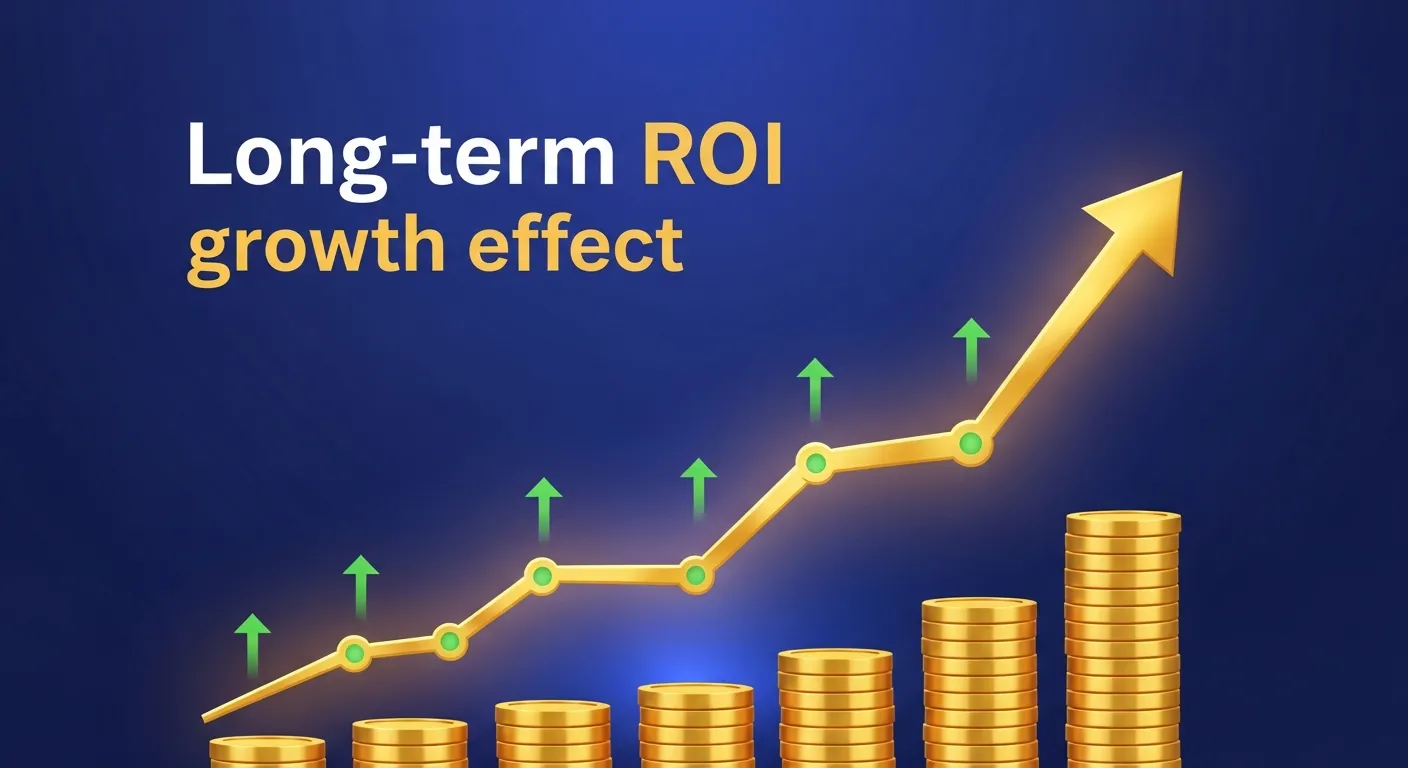
Unlike Facebook or Instagram, where content dies in hours, a pin is an “Evergreen Asset.”
- The Snowball Effect: A pin you create today might only get 10 clicks this month. However, as users save it to their own boards, it gets shown to their followers. By month six, that same pin could be driving 1,000 clicks a day.
- Passive Income Reality: This compounding nature is why affiliate marketing on Pinterest is considered the ultimate passive income stream. Once you have 500–1,000 high-quality pins in the ecosystem, they act like digital “salesmen” working for you 24/7.
- Analyzing the “Lurk” Factor: Pinterest users often “lurk”—they save a pin and don’t buy until weeks later. By using data analytics to improve your revenue, you’ll notice that your highest-earning pins are often those that were posted 3–6 months ago.
Conclusion
Mastering Affiliate Marketing on Pinterest in 2026 requires a blend of visual artistry, technical SEO, and strict legal compliance. By moving from static images to engaging video content, utilizing the “Bridge Strategy” to build your own brand, and timing your pins with seasonal search trends, you can build a resilient business that earns commissions while you sleep. Whether you are starting with zero cost or scaling with Pinterest Ads, the platform’s unique search intent makes it a top-tier choice for any digital entrepreneur.
FAQ
1. Can I use AI to generate my Pinterest pins?
Yes, tools like Canva Magic Design or specialized AI pin generators are great for scaling. However, always ensure the final image looks “human” and provides genuine value to the user.
2. What is a “Fresh Pin”?
A Fresh Pin is any image or video that has not been uploaded to Pinterest before. Changing the background color or the font of an old pin counts as a “fresh” version.
3. Does Pinterest allow direct links to Amazon?
Yes, but the Amazon Associates program has specific rules. Ensure you are using the full “amzn.to” link (or the full URL) and disclosing it as an ad.
4. How do I get my pins to show up in Google search?
Pinterest boards and pins are indexed by Google. By using high-volume keywords in your board titles and pin descriptions, your Pinterest content can rank on page one of Google, doubling your traffic.
5. Is Pinterest better than TikTok for affiliate marketing?
Pinterest has a longer “shelf life.” A TikTok video usually dies after 48 hours, whereas a Pinterest pin can drive traffic for years. However, affiliate marketing on TikTok is better for immediate “viral” spikes.
6. What is the 80/20 rule on Pinterest?
Post 80% helpful, inspirational, or educational content and 20% direct promotional/affiliate content to keep your audience engaged and the algorithm happy.
7. How do I join a Group Board?
Search for boards in your niche and look for the “Join” button or contact the owner (listed in the board description). Use tools like Pingroupie to find high-performing boards.
8. Can I do Pinterest affiliate marketing on a mobile phone?
Absolutely. The Pinterest app and mobile design apps like Canva make it possible to manage your entire business from a smartphone.
9. What is “High-Ticket” affiliate marketing on Pinterest?
This involves promoting items like high-end cameras, luxury furniture, or expensive software. While these sell less frequently, a single commission can be $100–$500.
10. Why is my Pinterest traffic dropping?
Check for “Broken Links” or see if you’ve been pinning the same image too often (spamming). Update your strategy with “Fresh Pins” and trending keywords to recover.