
Affiliate Marketing Advertising Strategies That Drive Results
Affiliate marketing has taken the advertising world by storm. Whether you’re a business looking to boost sales or an affiliate hoping to earn commissions, understanding how to master affiliate marketing advertising is critical to success.
What is Affiliate Marketing Advertising?
Affiliate marketing is a performance-based marketing strategy where businesses reward affiliates (individuals or companies) for driving traffic, leads, or sales. The affiliate earns a commission for promoting the company’s products or services through their unique referral links.
Advertising within affiliate marketing involves various promotional actions like content creation, social media advertising, and paid campaigns. Affiliates use these methods to attract audiences and convert clicks into tangible results.
According to Statista, affiliate marketing reached a market size of $17 billion globally in 2023. This emphasizes its power and potential for anyone willing to explore this advertising model.
Benefits of Affiliate Marketing Advertising
Before we jump into the strategies, let’s discuss why affiliate marketing is so effective for businesses and affiliates alike:
For Businesses:
- Cost-Effective: Businesses only pay for actual results, making it cost-effective compared to traditional advertising.
- Access to Targeted Audiences: Affiliates bring in already-engaged audiences, often leading to higher conversion rates.
- Scalable Campaigns: Partnering with multiple affiliates allows businesses to scale marketing efforts without significant time and resource investments.
For Affiliates:
- Low Entry Barrier: You don’t need to create a product or manage inventory; simply focus on promotion.
- Flexibility: Affiliates can manage their marketing on their own time and choose niches they’re passionate about.
- Passive Income: Once advertising mechanisms are set up, there’s potential to earn commissions passively.
Understanding what makes affiliate marketing successful lays the foundation before we move into advertising strategies.
Strategies for Effective Affiliate Marketing Advertising
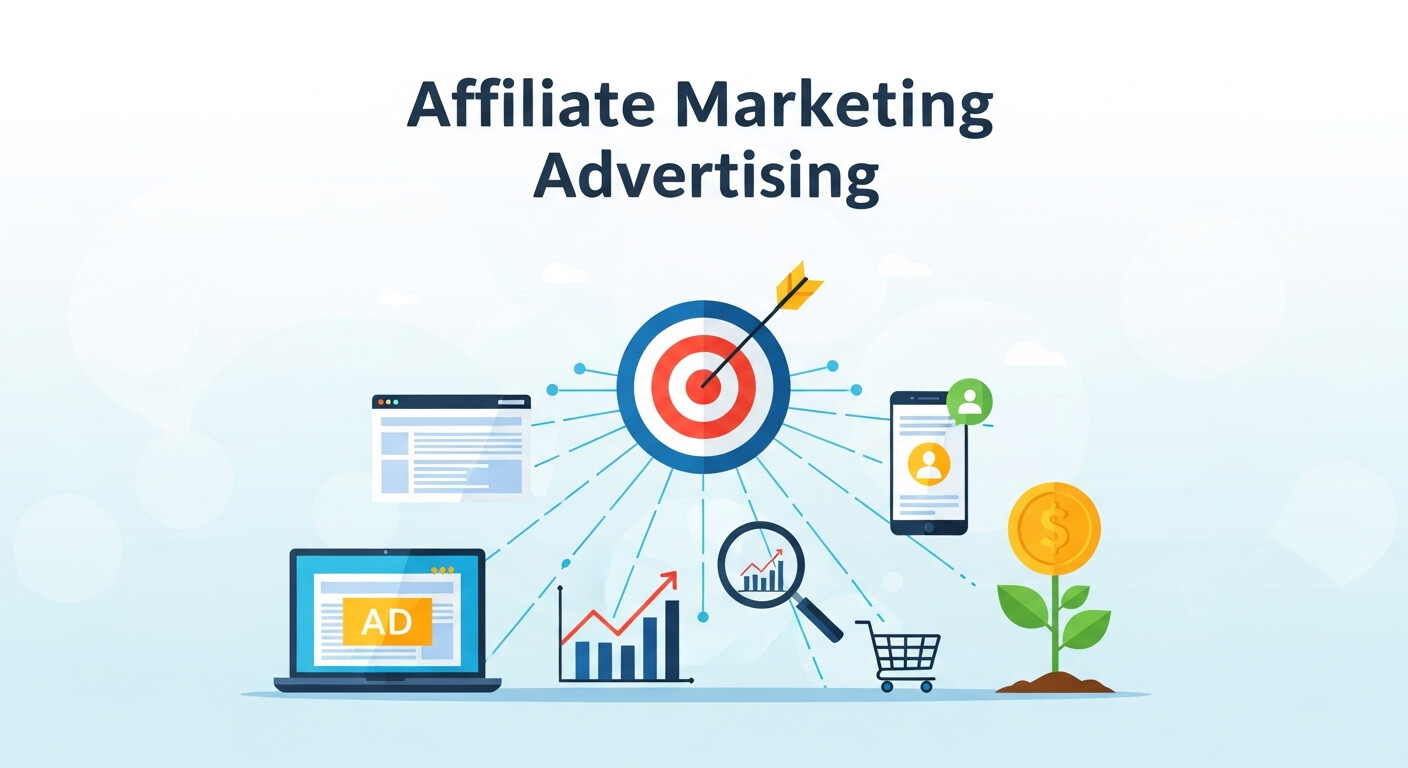
Build a Strong Content Marketing Strategy
Content is king in affiliate marketing. It’s your key vehicle for building trust and delivering value to your audience. A few content strategies to prioritize include:
- Blog Posts: Write product reviews, tutorials, and guides that incorporate affiliate links naturally. For example, compare different software solutions and include your referral links to each.
- Videos: Platforms like YouTube allow affiliates to create product demos or unboxing videos with embedded links in descriptions.
- Social Posts: Promote engaging, short-form content on social channels with affiliate links, focusing on platforms where your audience is highly active.
💡 Pro Tip: Prioritize evergreen content to continuously generate traffic, even long after the content is published.
Leverage Search Engine Optimization (SEO)
To drive organic traffic, SEO is a must. Higher-ranking pages receive significantly more clicks, and effective SEO strategies include:
- Target Keywords: Find niche-specific, high-search-volume keywords with tools like SEMrush or Ahrefs, and integrate them into your blogs and landing pages.
- Optimize metadata: Write click-worthy meta titles and descriptions for search result visibility.
- Technical SEO: Ensure your site loads quickly, is mobile-friendly, and has clean navigation.
Driving free, organic traffic makes a world of difference in affiliate marketing profits.
Tap into Email Marketing
Email marketing remains one of the most powerful tools in a marketer’s arsenal. Building a subscriber list gives affiliates the ability to stay in touch with their audience and deliver personalized offers.
How to use email marketing effectively in affiliate advertising:
- Share exclusive deals or product recommendations tailored to your audience.
- Create drip campaigns that educate readers on a product before subtly pitching your affiliate link.
- Establish trust by balancing valuable content with promotional emails.
💡 Pro Tip: Always follow GDPR rules or local regulations to ensure your email campaigns are compliant.
Use Pay-Per-Click (PPC) Advertising
If you’re looking for immediate results, paid advertising campaigns can give your affiliate links the visibility they need. Platforms like Google Ads and Facebook Ads allow targeting specific demographics and interests.
Maximize ROI by:
- Targeting Long-Tail Keywords: These keywords generally have lower competition and cost while attracting highly specific audiences.
- A/B Testing Ad Creatives and Landing Pages: Experiment with visuals, copy, and CTA buttons to identify the best performers.
- Retargeting Campaigns: Re-engage users who visited your site but didn’t convert.
PPC may require investment, but impactful campaigns can significantly amplify your affiliate revenues.
Collaborate with Influencers
Influencers already have the trust of their followers, making them excellent partners for affiliate campaigns. To optimize your partnerships:
- Select influencers whose content aligns with your niche.
- Track performance metrics like engagement rate, follower authenticity, and past campaign success before signing a deal.
- Offer unique affiliate codes to make tracking influencer-driven conversions easily.
This strategy provides broad exposure and social proof, especially in competitive niches like fashion, tech, or beauty.
Focus on Mobile-Friendly Strategies
Given that mobile accounts for more than 50% of global website traffic, it’s imperative that all affiliate marketing advertising is mobile-optimized.
Here’s how to achieve this:
- Ensure your website and affiliate links offer a seamless mobile experience.
- Use vertical video formats for platforms like Instagram Reels or TikTok.
- Shorten landing page load times to improve conversions from mobile users.
A poorly optimized mobile experience risks alienating half of your potential audience.
Analyze and Optimize Campaigns Regularly
The key to success lies in consistently improving your approach based on performance data. Tools like Google Analytics, Shopify, or affiliate dashboards help you track:
- Click-through rates.
- Conversion rates.
- Affiliate revenue attribution.
Identify what’s working and eliminate underperforming campaigns to optimize your efforts.
Choosing the Right Platforms for Promotion
Affiliate marketing success depends heavily on selecting platforms where your audience already spends time. Different platforms serve different purposes, so understanding user behavior is critical. Blogs and websites work well for in-depth reviews and long-form guides, while visual platforms are ideal for quick product showcases. Social channels allow faster engagement and sharing, especially when content feels authentic rather than overly promotional. Many affiliates see strong results from Social Media Affiliate Marketing because it enables direct interaction with followers and builds trust through consistent value-driven posts. Choosing the right mix of platforms ensures your affiliate links reach the right audience without spreading your efforts too thin.
Building Trust Before Promoting Products
Trust is the backbone of sustainable affiliate marketing. Audiences are far more likely to convert when they believe your recommendations are honest and experience-based. This means focusing on transparency, sharing real pros and cons, and avoiding products that don’t align with your audience’s needs. Consistent value delivery—through education, insights, or problem-solving—helps position you as a reliable source rather than just a promoter. Over time, trust leads to repeat clicks, higher conversions, and long-term audience loyalty. Affiliates who prioritize credibility often outperform those who rely solely on aggressive promotion tactics.
Scaling Campaigns Without Losing Authenticity
As affiliate campaigns grow, maintaining authenticity becomes more challenging. Scaling should not mean spamming more links or promoting unrelated products. Instead, focus on refining what already works. Repurpose high-performing content across platforms, expand into related product categories, and improve targeting rather than volume. Automation tools can help manage workflows, but messaging should still feel human. By staying audience-focused and selective with promotions, affiliates can scale their efforts while preserving trust and engagement. Sustainable growth comes from relevance, not repetition.
Using Partnerships to Expand Reach
Strategic partnerships can significantly extend the reach of affiliate campaigns. Collaborating with creators or brands that share a similar audience allows affiliates to tap into established trust networks. This approach works especially well when recommendations feel natural and aligned with existing content themes. Influencer Affiliate Marketing thrives on authenticity, where audiences value opinions from voices they already trust. When partnerships are chosen carefully, they drive higher engagement, stronger conversions, and long-term brand credibility. The key is alignment—both in values and audience expectations.
Tailoring Affiliate Strategies for Online Stores
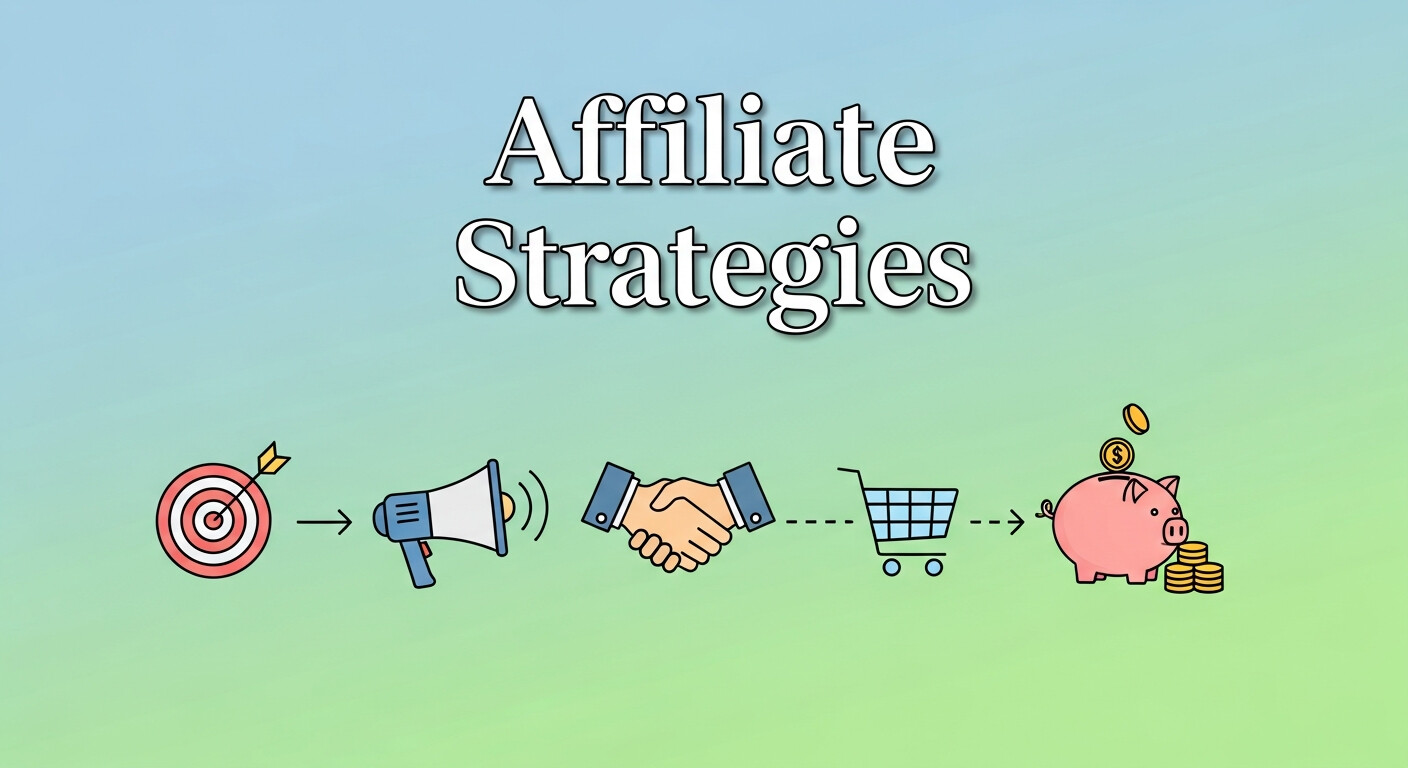
Affiliate marketing plays a crucial role in driving traffic and conversions for online stores. For product-based businesses, affiliates act as extended sales channels, promoting items to niche audiences. Affiliate Marketing for E-commerce is particularly effective when paired with product reviews, comparison content, and limited-time offers. Affiliates help build social proof and influence purchasing decisions during key moments in the buyer journey. To maximize results, ecommerce-focused affiliates should highlight product benefits, user experiences, and clear calls to action while maintaining transparency and trust.
Managing Compliance and Ethical Standards
Compliance is not optional in affiliate marketing. Clear disclosures, honest messaging, and adherence to advertising regulations protect both affiliates and audiences. Ethical promotion builds credibility and avoids legal issues that can damage long-term growth. Affiliates should stay informed about FTC guidelines, platform policies, and data privacy regulations. Transparent communication strengthens audience trust and improves brand relationships. Ethical practices may seem restrictive, but they ultimately create a stronger and more sustainable affiliate business.
Long-Term Growth Through Continuous Learning

Affiliate marketing is constantly evolving, driven by platform updates, consumer behavior shifts, and new technologies. Successful affiliates treat learning as an ongoing process. Monitoring analytics, testing new formats, and staying informed about industry trends allows marketers to adapt quickly. Long-term growth comes from experimentation, patience, and refinement rather than shortcuts. Affiliates who invest in skill development and strategy optimization position themselves for consistent success, even as competition increases.
Common Mistakes to Avoid in Affiliate Marketing Advertising
Even the most enthusiastic affiliates can stumble. Avoid these pitfalls to stay on track:
- Overselling: Always prioritize authenticity over aggressive selling. Pushy pitches can harm your credibility.
- Forgetting Disclosures: FTC guidelines state affiliates must clearly disclose their relationships (e.g., “This post contains affiliate links”).
- Neglecting Testing: Failing to test landing pages or content can lead to wasted effort and lower engagement.
Learning from these mistakes ensures your campaign can scale sustainably.
Optimize Your Affiliate Marketing Advertising Campaigns Today
Affiliate marketing advertising is more than just placing links on a page. It’s about connecting with your audience through personalized, trustworthy, and targeted campaigns.
When done right, it’s a win-win for both affiliates and businesses, creating lasting success. Start by implementing these strategies and stay consistent with analyzing and optimizing your efforts.
Are you ready to unlock your affiliate marketing potential? Sign up for affiliate-friendly tools that can help simplify your journey. Happy marketing!
Frequently Asked Questions (FAQ)
What is affiliate marketing advertising?
Affiliate marketing advertising is the process of promoting products or services through affiliate links using various advertising channels such as blogs, social media, email marketing, and paid ads. Affiliates earn a commission when their promotional efforts result in a sale, lead, or other predefined action.
How do affiliates get paid?
Affiliates are typically paid through commission-based models, including pay-per-sale, pay-per-lead, or pay-per-click. Payments are tracked using unique referral links or codes, ensuring affiliates receive credit for conversions they generate.
Is affiliate marketing advertising suitable for beginners?
Yes, affiliate marketing advertising is beginner-friendly due to its low startup costs and flexibility. Beginners can start with content creation or social media promotion and gradually scale their efforts as they gain experience and audience trust.
Which platforms work best for affiliate marketing advertising?
Popular platforms include blogs, YouTube, Instagram, TikTok, Facebook, and email newsletters. The best platform depends on your niche, target audience, and preferred content format.
How long does it take to see results from affiliate marketing?
Results vary depending on traffic sources and strategy. Paid advertising can generate quicker results, while organic methods like SEO and content marketing typically take several months to gain momentum but offer long-term benefits.
Do affiliates need a website to start advertising?
A website is helpful but not mandatory. Affiliates can also promote links through social media platforms, YouTube channels, or email lists. However, having a website improves credibility and allows greater control over content and SEO.
Are affiliate disclosures mandatory?
Yes. Affiliates must clearly disclose their relationship with brands to comply with FTC guidelines and maintain transparency with their audience. Proper disclosures help build trust and protect affiliates from legal issues.





1 thought on “Affiliate Marketing Advertising Strategies That Drive Results”