
Social Media Affiliate Marketing: Your Complete Guide to Success

Social media affiliate marketing uses platforms like Instagram, TikTok, and YouTube to promote products with unique tracking links. Success comes from authentic content, platform-specific strategies, consistent posting, clear disclosures, strong audience trust, and continuous optimization based on engagement and performance data.
Social media platforms have transformed how we discover products, connect with brands, and make purchasing decisions. For affiliate marketers, this shift presents an unprecedented opportunity to reach engaged audiences where they spend most of their time. But succeeding with social media affiliate marketing requires more than just posting random links and hoping for clicks.
This comprehensive guide will walk you through everything you need to know about leveraging social media for affiliate marketing success. You’ll discover which platforms work best, how to create compelling content that converts, and the strategies top affiliates use to build sustainable income streams through social channels.
Whether you’re just starting out or looking to optimize your existing efforts, you’ll find actionable insights to help you navigate the unique challenges and opportunities of promoting affiliate products on social media.
What is Social Media Affiliate Marketing?
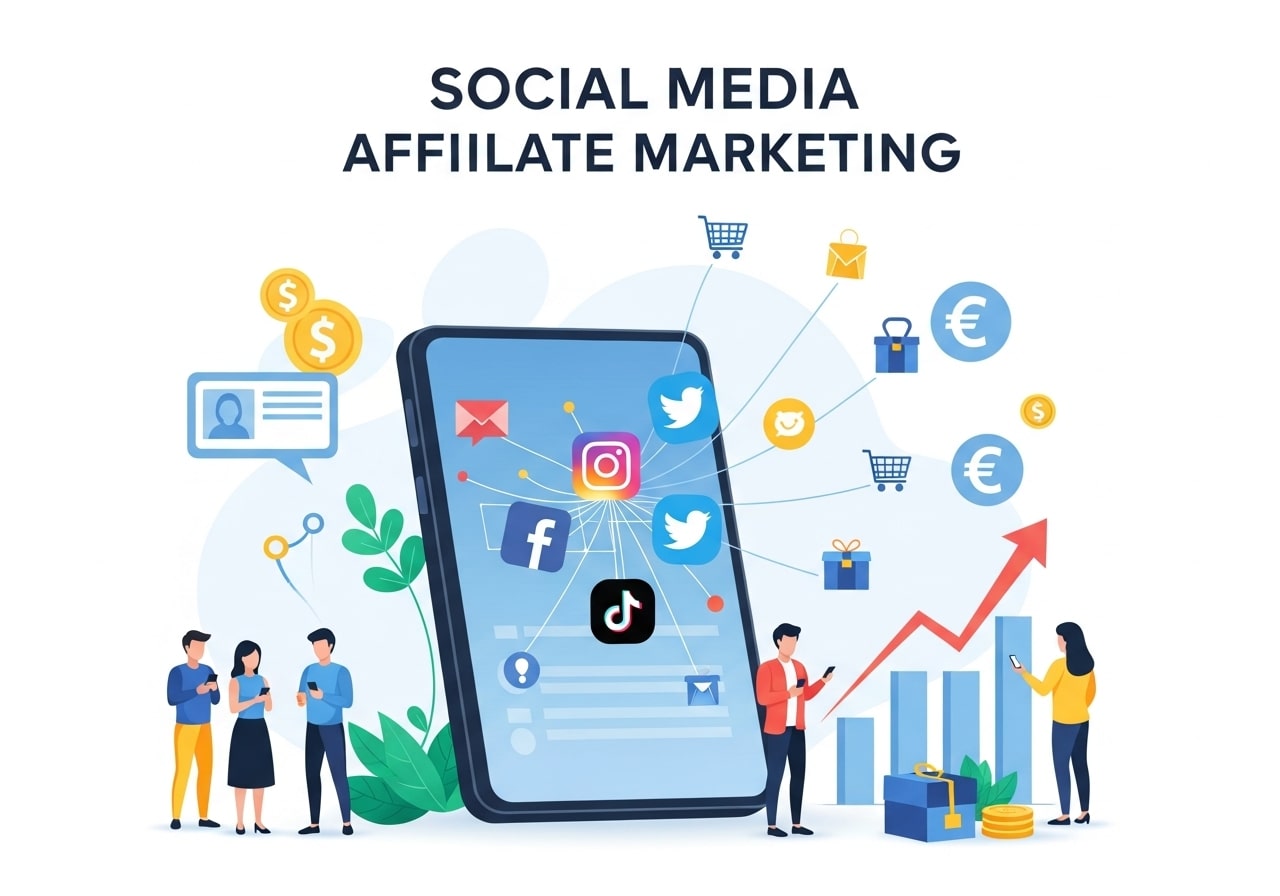
Social media affiliate marketing combines the reach and engagement of social platforms with traditional affiliate marketing principles. Instead of relying solely on websites or email lists, marketers promote affiliate products through posts, stories, videos, and other social content formats.
The process works like traditional affiliate marketing: you join affiliate programs, receive unique tracking links, and earn commissions when people purchase through your links. The key difference lies in distribution—you’re leveraging the viral nature and built-in audiences of social platforms to amplify your reach.
This approach offers several advantages over traditional methods. Social media provides immediate feedback through likes, comments, and shares, allowing you to quickly identify which products and messaging resonate with your audience. The visual nature of most platforms also makes it easier to showcase products in action, building trust and desire more effectively than text-based promotions.
Choosing the Right Social Media Platforms

Not all social media platforms are created equal for affiliate marketing. Each has its own audience demographics, content formats, and promotional policies that affect your success potential.
Instagram’s visual-first approach makes it ideal for lifestyle, fashion, beauty, and home products. The platform’s shopping features, including product tags and Instagram Shop, create seamless purchasing experiences. Stories offer a more casual way to share affiliate links, while IGTV and Reels can showcase products in action.
The key to Instagram success lies in building an aesthetic that aligns with your niche while maintaining authenticity. Your followers need to trust your recommendations, which means being selective about products and transparent about partnerships.
TikTok
TikTok’s algorithm can quickly amplify content to massive audiences, making it powerful for affiliate marketing when done right. The platform favors authentic, entertaining content over polished advertisements. Product demonstrations, unboxing videos, and trend-based content perform particularly well.
Success on TikTok requires understanding current trends and adapting them to showcase affiliate products naturally. The younger demographic also tends to research products extensively before purchasing, so focus on providing genuine value rather than hard selling.
YouTube
YouTube’s long-form content format allows for detailed product reviews, tutorials, and demonstrations that build significant trust with viewers. The platform’s search functionality also provides ongoing traffic to evergreen content, extending the lifespan of your affiliate promotions.
Creating successful YouTube affiliate content requires significant time investment in video production and editing. However, the platform’s monetization options and engaged audiences often justify this effort for serious affiliate marketers.
Facebook’s diverse user base and sophisticated advertising options make it valuable for affiliate marketing, though organic reach has declined significantly. Facebook Groups provide opportunities to build communities around specific niches, while the platform’s marketplace features support local affiliate promotions.
The key to Facebook success involves building genuine relationships within relevant groups and providing helpful advice before introducing affiliate products. Direct promotional posts often perform poorly, but valuable content that happens to mention affiliate products can generate strong results.
Pinterest functions more like a search engine than a traditional social platform, making it excellent for affiliate marketing in niches like home improvement, cooking, fashion, and DIY projects. Pins have longer lifespans than posts on other platforms, providing sustained traffic to affiliate content.
Success on Pinterest requires understanding seasonal trends and creating visually appealing pins that solve specific problems. The platform’s users often have high purchase intent, making them valuable for affiliate conversions.
Creating Compelling Affiliate Content

Effective social media affiliate marketing content balances promotional value with genuine helpfulness. Your audience follows you for entertainment, education, or inspiration—not to be sold to constantly. The most successful affiliate marketers master the art of weaving product recommendations into valuable content naturally.
Storytelling Approach
Share personal experiences with products rather than simply listing features and benefits. Explain the problem you faced, how you discovered the product, and the specific results you achieved. This narrative approach builds emotional connections and demonstrates authentic product use.
For example, instead of posting “This protein powder has 25g of protein,” try “I’ve been struggling with post-workout recovery since increasing my training intensity. After trying this protein powder for three weeks, I’ve noticed significantly less muscle soreness and faster recovery between sessions.”
Problem-Solution Framework
Identify specific problems your audience faces and position affiliate products as solutions. This approach provides genuine value while naturally introducing promotional elements. Research common questions in your niche and create content addressing these concerns with affiliate products as recommended solutions.
Social Proof Integration
Incorporate user-generated content, testimonials, and social proof to build credibility around your affiliate recommendations. Screenshot positive reviews, share customer photos, and highlight community feedback about products you promote.
Educational Content
Create tutorials, how-to guides, and educational posts that naturally incorporate affiliate products as recommended tools or resources. This approach positions you as a helpful expert rather than a pushy salesperson while providing clear value to your audience.
Best Practices for Social Media Affiliate Marketing

Success in social media affiliate marketing requires consistent application of proven strategies while adapting to platform-specific nuances and audience preferences.
Transparency and Disclosure
Always disclose affiliate relationships clearly and prominently. Use hashtags like #affiliate, #ad, or #sponsored according to platform requirements and legal regulations. Transparency builds trust with your audience and protects you from legal issues.
Place disclosures where they’re easily visible—at the beginning of captions, in video descriptions, and within the content itself when relevant. Don’t bury disclosures in long hashtag lists or secondary locations where followers might miss them.
Quality Over Quantity
Focus on promoting fewer products that genuinely align with your audience’s needs and interests. Constantly pushing different affiliate offers reduces trust and engagement. Instead, become known for carefully curated recommendations that consistently deliver value.
Research products thoroughly before promoting them. Use items personally when possible, read reviews, and understand the company’s reputation. Your credibility depends on the quality of products you recommend.
Audience-First Approach
Always prioritize your audience’s needs over potential commission earnings. Recommend products you genuinely believe will help your followers, even if they offer lower commission rates. Long-term trust and engagement are more valuable than short-term earnings from unsuitable promotions.
Monitor comments and direct messages to understand which products generate positive responses and which create buyer’s remorse or complaints. Use this feedback to refine your promotional strategy and product selection.
Content Diversification
Vary your content formats and promotional approaches to maintain audience interest and platform algorithm favor. Mix product showcases with educational content, behind-the-scenes posts, and community engagement. This diversity keeps your feed interesting while providing multiple opportunities for affiliate promotions.
Create content calendars that balance promotional and non-promotional posts. A common ratio is one promotional post for every four to five value-driven posts, though this varies by platform and audience preferences.
Common Mistakes to Avoid
Learning from common affiliate marketing mistakes can save time, money, and audience trust while accelerating your path to success.
Over-Promotion
Posting affiliate content too frequently or too aggressively drives followers away and reduces engagement rates. Social media algorithms also tend to limit the reach of overly promotional content, reducing your organic visibility.
Ignoring Platform Policies
Each social media platform has specific rules about affiliate marketing and promotional content. Violating these policies can result in account restrictions, content removal, or permanent bans. Stay updated on platform guidelines and adjust your strategy accordingly.
Lack of Authenticity
Promoting products you don’t use or believe in damages credibility and audience trust. Followers can usually detect inauthentic recommendations, leading to reduced engagement and conversions over time.
Poor Tracking and Analytics
Failing to monitor performance metrics makes it impossible to optimize your strategy or identify successful approaches. Use platform analytics, affiliate program dashboards, and third-party tools to track clicks, conversions, and earnings.
Inconsistent Posting
Irregular posting schedules reduce audience engagement and algorithm favor. Develop sustainable content creation and posting routines that you can maintain long-term while delivering consistent value to your followers.
Measuring Success and Optimization
Effective measurement goes beyond simple click and conversion tracking to include engagement metrics, audience growth, and long-term relationship-building indicators.
Key Performance Indicators
Track clicks, conversion rates, average order values, and total commissions for each affiliate program and promotional approach. Monitor these metrics regularly to identify trends and optimization opportunities.
Engagement Analysis
Analyze likes, comments, shares, and saves to understand which content types and products generate the most audience interest. High engagement often correlates with better conversion rates and algorithm visibility.
Audience Feedback
Pay attention to comments, direct messages, and community feedback about your affiliate recommendations. Positive responses indicate successful product-audience matching, while negative feedback highlights areas for improvement.
Long-Term Relationship Metrics
Monitor follower growth, retention rates, and repeat engagement to ensure your affiliate marketing efforts support rather than undermine community building. Sustainable success requires maintaining strong audience relationships over time.
Building Your Social Media Affiliate Marketing Strategy
Start by selecting one or two social media platforms where your target audience is most active and engaged. Master these platforms before expanding to others, as each requires unique content strategies and community management approaches.
Research affiliate programs in your niche thoroughly, focusing on companies with strong reputations, fair commission structures, and products that genuinely benefit your audience. Quality partnerships are more valuable than numerous low-value affiliations.
Develop a content creation system that allows for consistent posting while maintaining quality standards. This might include batch content creation, templates for different post types, and editorial calendars that balance promotional and value-driven content.
Build authentic relationships with your audience through regular engagement, community building, and responsive customer service. Your success depends on trust and credibility, which require ongoing investment in relationship maintenance.
Social media affiliate marketing offers tremendous opportunities for those willing to prioritize audience value over quick profits. By focusing on genuine helpfulness, transparent communication, and strategic content creation, you can build sustainable income streams while providing real value to your online community. Remember that success takes time, consistency, and continuous optimization based on performance data and audience feedback.
Frequently Asked Questions (FAQ) Social Media Affiliate Marketing
1. What is social media affiliate marketing?
Social media affiliate marketing involves promoting products using platforms like Instagram, TikTok, YouTube, Facebook, and Pinterest. You share affiliate links within your content, and you earn a commission when followers buy through those links.
2. Do I need a large following to succeed?
No. Smaller creators with highly engaged, niche audiences often convert better than large accounts. Engagement, trust, and relevance matter far more than follower count.
3. Which social media platform is best for affiliate marketing?
It depends on your niche and content style. Instagram is great for lifestyle content, TikTok for quick demos, YouTube for long reviews, Facebook for community-based promotion, and Pinterest for search-driven product discovery.
4. How do I get approved for affiliate programs?
Most programs accept creators with consistent posting, a clear niche, and an engaged audience. Some require an active website, but many social-first programs approve based on social presence alone.
5. How should I disclose affiliate links?
Use clear disclosures like “#affiliate,” “#ad,” or “sponsored.” Place them at the start of captions, in video descriptions, or directly in the content to comply with FTC guidelines and maintain audience trust.
6. What type of content converts best for affiliate marketing?
Authentic content performs best: tutorials, before-and-after results, product demos, unboxings, problem-solution posts, and personal stories. People buy when they see real value, not sales pitches.
7. How often should I post affiliate content?
Avoid overwhelming your audience. A good rule is 1 promotional post for every 4–5 value-driven posts. The goal is to weave affiliate products naturally into helpful content.
8. Why are my affiliate posts not converting?
Low conversions can result from misaligned products, unclear calls to action, low audience trust, poor content quality, or a lack of strong storytelling. Testing and optimization are essential for improvement.
9. Can I use paid ads to promote affiliate links?
Some affiliate programs allow it, others forbid it. Always check program rules and platform policies. Many advertisers ban direct affiliate-link promotions through paid ads.
10. How do I track the performance of my affiliate content?
Use analytics tools from the social platforms, your affiliate dashboard, link trackers like Bitly, or UTM parameters. Monitor clicks, conversions, engagement, and audience feedback to optimize your strategy.