Facebook Affiliate Marketing: Your Complete Guide to Getting Started
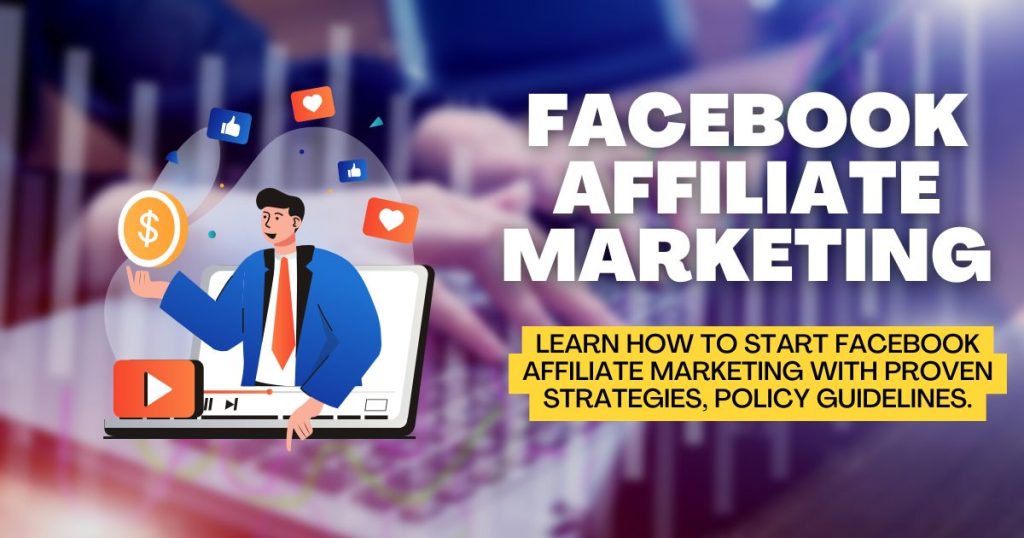
Facebook remains one of the most powerful platforms for affiliate marketers, boasting over 2.9 billion monthly active users worldwide. With its sophisticated targeting options and diverse content formats, Facebook offers unique opportunities to connect with potential customers and drive affiliate sales.
What is Facebook Affiliate Marketing?
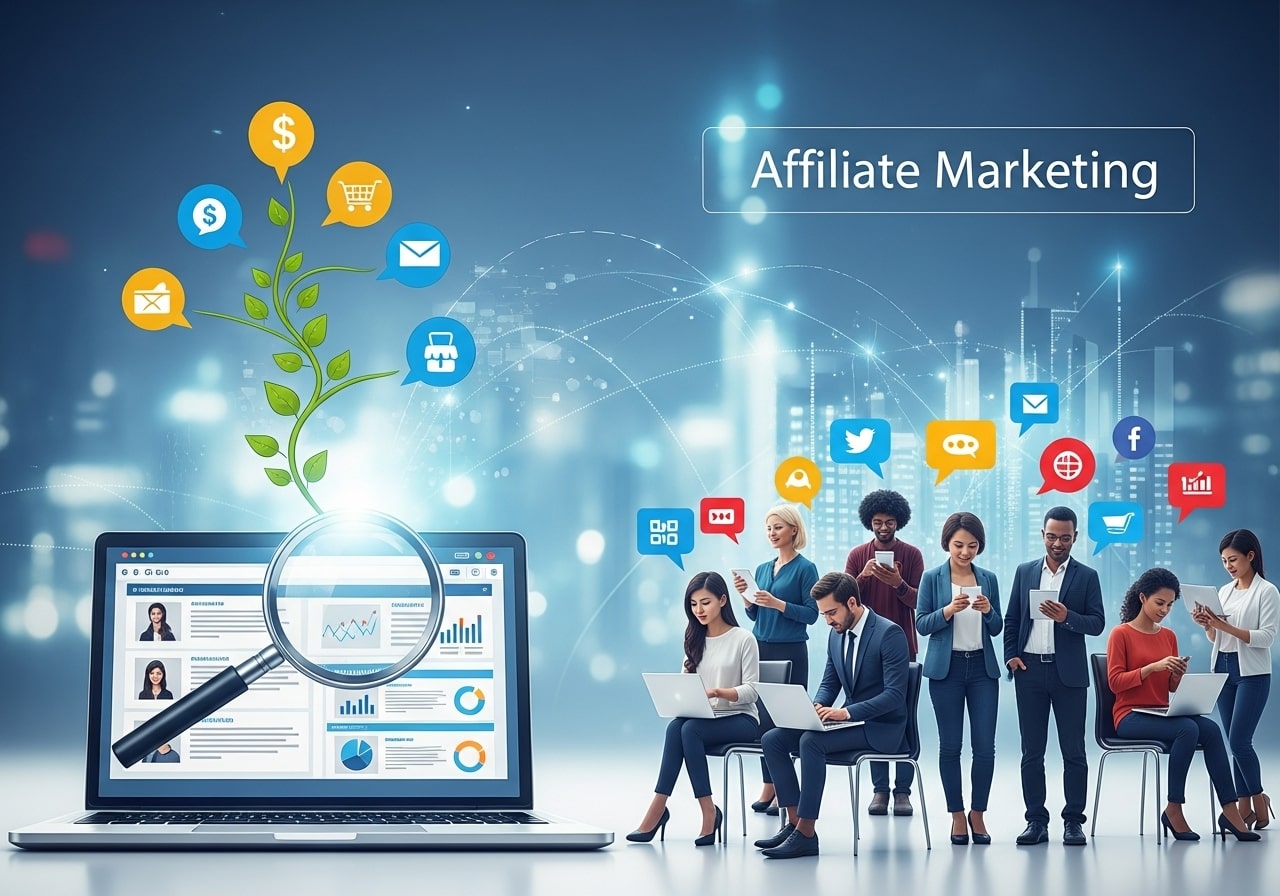
Facebook affiliate marketing involves promoting other companies’ products or services through Facebook’s platform and earning commissions on resulting sales. As an affiliate marketer, you act as a bridge between businesses and consumers, sharing products you believe in with your Facebook audience.
When someone clicks your affiliate link and makes a purchase, you earn a predetermined commission percentage. This performance-based marketing model benefits everyone: businesses gain new customers, consumers discover useful products, and you generate income from successful referrals.
The key to successful Facebook affiliate marketing lies in building trust with your audience and promoting products that genuinely add value to their lives. Authentic recommendations always outperform pushy sales tactics on social media platforms.
Leveraging Facebook Stories for Affiliate Marketing
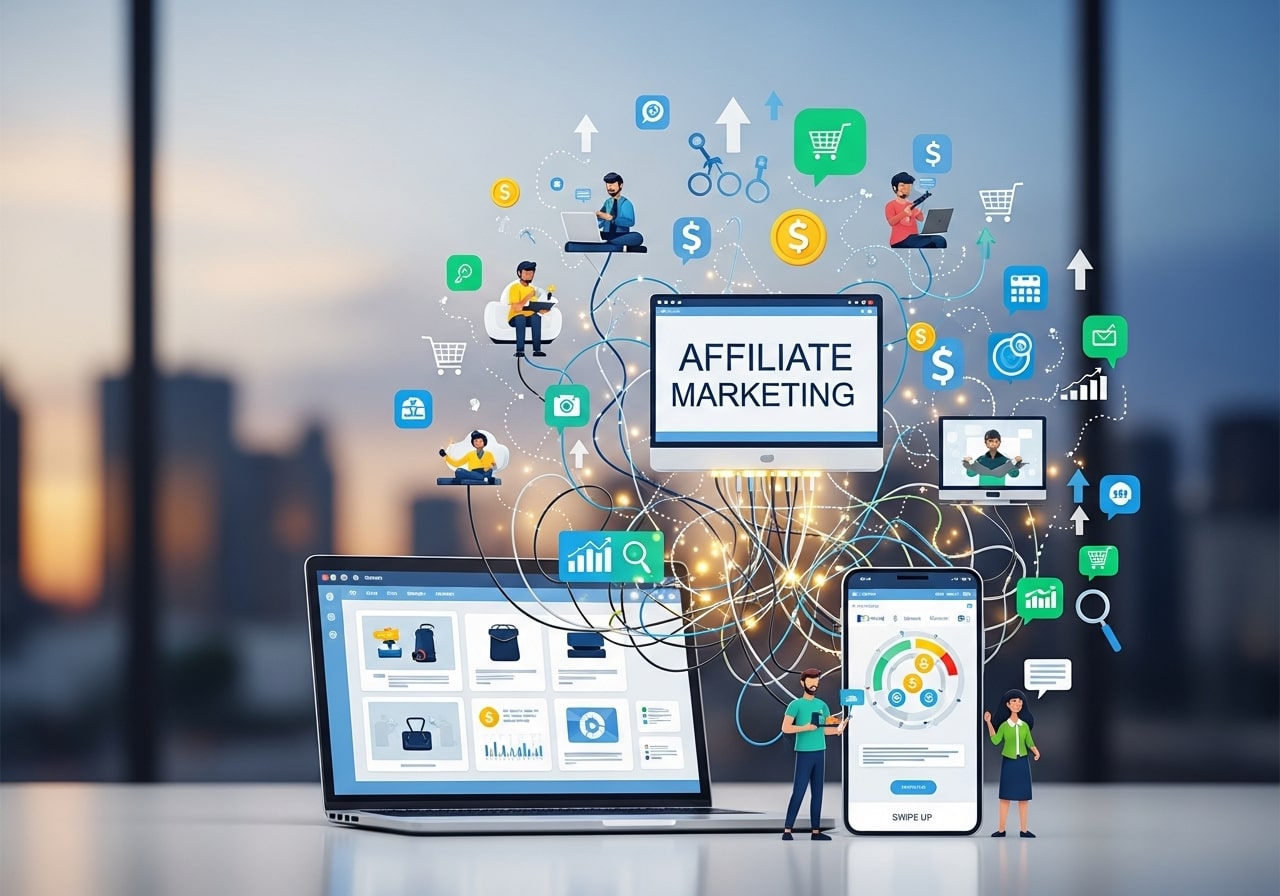
Facebook Stories offer a unique, ephemeral way to engage your audience. Unlike standard posts, Stories appear at the top of users’ feeds and disappear after 24 hours, creating a sense of urgency and exclusivity. Share short product demos, quick tips, or behind-the-scenes content to make your promotions feel personal and authentic. Use stickers, polls, and swipe-up links (if available) to drive traffic to your landing pages. Stories are ideal for testing different messages because they are low-risk and highly visible. Frequent posting keeps your brand top-of-mind and encourages more interactions with your affiliate content.
Engaging with Facebook Live for Conversions
Facebook Live allows real-time interaction with your audience, building trust and connection. Hosting live sessions to review products, answer questions, or demonstrate services can dramatically increase engagement and conversion rates. Live videos are prioritized in Facebook’s algorithm, giving them higher organic reach. Prepare a clear outline, engage viewers by responding to comments, and provide actionable tips while subtly integrating affiliate offers. Saving your live videos on your page ensures ongoing visibility for users who missed the broadcast. Regular live sessions help establish authority in your niche and foster a loyal community that trusts your recommendations.
Using Facebook Insights to Improve Performance
Facebook Insights provides critical data to measure your affiliate marketing success. Track metrics like post reach, engagement, click-through rates, and audience demographics to understand what content resonates best. Analyzing these metrics helps identify high-performing posts and underperforming strategies. Use the data to refine your content calendar, posting schedule, and targeting approach. For example, you might discover that videos perform better than images, or certain posting times generate more clicks. Consistently monitoring insights allows you to make data-driven decisions, maximize conversions, and optimize your affiliate campaigns over time, ensuring sustainable growth and long-term profitability.
Getting Started with Facebook Affiliate Marketing
Choose Your Niche
Start by selecting a specific niche that aligns with your interests and expertise. Popular affiliate marketing niches on Facebook include health and wellness, personal finance, technology, beauty, and home improvement. Focusing on a particular niche helps you build credibility and attract a targeted audience more likely to convert.
Research potential niches by examining Facebook groups, pages, and conversations related to your areas of interest. Look for engaged communities discussing problems that affiliate products could solve.
Find Affiliate Programs
Once you’ve identified your niche, research affiliate programs that offer relevant products. Popular affiliate networks include Amazon Associates, ShareASale, CJ Affiliate, and ClickBank. Many companies also run their own affiliate programs, which you can usually find in the footer of their websites.
When evaluating affiliate programs, consider commission rates, cookie duration, payment terms, and the quality of promotional materials provided. Higher commission rates aren’t always better if the products don’t convert well or lack credibility.
Set Up Your Facebook Presence
Create a professional Facebook business page that clearly communicates your niche and value proposition. Use high-quality images, write compelling copy, and include relevant keywords in your page description to improve discoverability.
Consider creating a Facebook group around your niche topic. Groups often generate higher engagement rates than pages and provide excellent opportunities for relationship building and affiliate promotion.
Facebook Affiliate Marketing Strategies That Work
Content Marketing Approach
Focus on creating valuable content that educates and entertains your audience while naturally incorporating affiliate recommendations. Share tutorials, product reviews, comparison posts, and behind-the-scenes content that build trust and position you as an authority in your niche.
Video content performs exceptionally well on Facebook. Create product demonstration videos, unboxing experiences, or educational content that showcases how affiliate products solve real problems. Facebook’s algorithm favors video content, giving your posts greater organic reach potential.
Facebook Groups Strategy
Join relevant Facebook groups in your niche and contribute valuable insights without immediately promoting affiliate products. Build relationships first, then share helpful recommendations when appropriate and allowed by group rules.
Creating your own Facebook group provides a controlled environment where you can share affiliate recommendations more freely while building a community around your niche expertise.
Facebook Ads for Affiliate Marketing
While organic reach on Facebook has declined over the years, Facebook ads offer precise targeting capabilities that can amplify your affiliate marketing efforts. However, Facebook has strict policies regarding affiliate marketing in ads.
Never link directly to affiliate offers in Facebook ads. Instead, direct traffic to your own website or landing page where you can provide value before presenting affiliate recommendations. This approach complies with Facebook’s policies while building your email list for long-term marketing success.
Facebook’s Affiliate Marketing Policies
Facebook maintains specific policies regarding affiliate marketing that you must understand and follow to avoid account suspension or ad disapproval.
Key Policy Points
Facebook prohibits direct affiliate links in ads and restricts certain types of affiliate content. Before and after images, income claims, and misleading health assertions commonly trigger policy violations. Always review Facebook’s advertising policies before launching campaigns.
Affiliate links in organic posts are generally acceptable, but you must include proper disclosures indicating your affiliate relationship. Use clear language like “This post contains affiliate links” or “#affiliate” to maintain transparency.
Best Practices for Compliance
Focus on providing genuine value rather than aggressive selling. Share personal experiences with products, honest reviews, and helpful information that serves your audience’s interests. This approach not only keeps you compliant but also builds the trust necessary for long-term affiliate marketing success.
Always direct paid traffic to your own website or landing page rather than affiliate links. This strategy protects your Facebook ad account while allowing you to capture leads and build relationships before making affiliate recommendations.
Measuring and Optimizing Your Results
Track Your Performance
Use Facebook Analytics and affiliate program dashboards to monitor your performance. Track metrics like click-through rates, conversion rates, and earnings per click to identify your most successful content and strategies.
Consider using UTM parameters in your affiliate links to track which Facebook posts and campaigns generate the most conversions. This data helps you double down on successful approaches while eliminating underperforming tactics.
Split Test Your Content
Experiment with different types of content, posting times, and promotional approaches to optimize your results. Test various headlines, images, and call-to-action phrases to discover what resonates best with your audience.
Keep detailed records of your tests and results. Small improvements in click-through rates or conversion rates can significantly impact your overall affiliate income over time.
Common Facebook Affiliate Marketing Mistakes
Overselling and Lack of Value
The biggest mistake new affiliate marketers make is focusing too heavily on selling rather than providing value. Facebook users scroll through their feeds seeking entertainment, information, and connection, not constant sales pitches.
Build relationships first by sharing helpful content, engaging with comments, and participating in conversations. When you do make affiliate recommendations, they’ll carry more weight because you’ve established credibility.
Ignoring Disclosure Requirements
Federal Trade Commission guidelines require clear disclosure of affiliate relationships. Failing to properly disclose affiliate links can result in legal issues and damage your reputation with both Facebook and your audience.
Include disclosure statements at the beginning of posts containing affiliate links, not buried at the end. Use clear, unambiguous language that average users can easily understand.
Promoting Low-Quality Products
Your reputation depends on the quality of products you recommend. Promoting inferior products for higher commissions damages trust and hurts long-term earning potential.
Only recommend products you’ve personally used or thoroughly researched. Your audience relies on your judgment, and maintaining their trust is essential for sustainable affiliate marketing success.
Building Long-Term Success
Focus on Relationship Building
Successful Facebook affiliate marketing requires genuine relationship building with your audience. Respond to comments, ask questions, and create content that sparks meaningful conversations. Engaged followers are more likely to trust your recommendations and make purchases through your affiliate links.
Consider going live on Facebook to connect with your audience in real-time. Live videos often receive higher engagement rates and provide opportunities to answer questions and build deeper relationships.
Diversify Your Income Streams
Don’t rely solely on Facebook for your affiliate marketing success. Build an email list, create content on multiple platforms, and develop your own products or services to complement affiliate income. Diversification protects your business from platform changes and algorithm updates.
Use Facebook to drive traffic to your own website or landing pages where you can capture email addresses and build direct relationships with potential customers. Email marketing often converts better than social media promotion for affiliate offers.
Ready to Start Your Facebook Affiliate Marketing Journey?
Facebook affiliate marketing offers tremendous opportunities for those willing to focus on value creation and relationship building. Success won’t happen overnight, but consistent effort combined with the strategies outlined in this guide can help you build a profitable affiliate marketing business.
Start by choosing your niche and researching relevant affiliate programs. Create valuable content that serves your audience’s needs while naturally incorporating product recommendations. Stay compliant with Facebook’s policies and always prioritize transparency with proper disclosures.
Remember that sustainable affiliate marketing success comes from building trust and providing genuine value to your audience. Focus on these fundamentals, and your Facebook affiliate marketing efforts will generate both income and satisfaction from helping others discover products that improve their lives.
Frequently Asked Questions (FAQ)
1. What is Facebook affiliate marketing?
Facebook affiliate marketing is the process of promoting third-party products or services on Facebook and earning a commission when users purchase through your affiliate links. Affiliates share content such as reviews, tutorials, or recommendations to drive traffic and sales.
2. Is affiliate marketing allowed on Facebook?
Yes, affiliate marketing is allowed on Facebook, but it must follow platform policies. Affiliate links are generally permitted in organic posts, but direct affiliate links are not allowed in Facebook ads. Proper disclosures are also required.
3. Can I use affiliate links directly in Facebook ads?
No, Facebook does not allow direct affiliate links in ads. Instead, advertisers must send traffic to their own website or landing page where affiliate offers can be presented after providing value.
4. Do I need a Facebook page or group for affiliate marketing?
While not mandatory, a Facebook page or group helps build credibility, engagement, and trust. Groups often perform better for affiliate marketing because they encourage community interaction and deeper relationships.
5. What types of content work best for Facebook affiliate marketing?
Educational posts, product reviews, comparison content, video demonstrations, and personal experience stories perform best. Content that solves problems and provides value tends to generate higher engagement and conversions.
6. How do I disclose affiliate links on Facebook?
You should clearly disclose your affiliate relationship using simple language such as “This post contains affiliate links” or “#affiliate.” Disclosures should be visible and placed at the beginning of the post for transparency.
7. How much money can I make with Facebook affiliate marketing?
Earnings vary depending on niche, audience size, engagement, and strategy. Some affiliates earn a few hundred dollars per month, while others generate full-time income by consistently providing value and promoting high-quality products.
8. Is Facebook affiliate marketing suitable for beginners?
Yes, Facebook affiliate marketing is beginner-friendly. It requires minimal upfront investment and allows new marketers to grow organically while learning content creation, audience building, and promotion strategies.
9. What are common mistakes in Facebook affiliate marketing?
Common mistakes include overselling, failing to disclose affiliate links, promoting low-quality products, ignoring Facebook policies, and not focusing on audience trust and engagement.
10. How long does it take to see results from Facebook affiliate marketing?
Results depend on consistency, content quality, and audience engagement. Some marketers see small results within weeks, while sustainable income typically takes several months of consistent effort and optimization.