
Your Complete Guide to Internet Affiliate Marketing

Affiliate marketing is one of the simplest and most effective ways to generate online income. Whether you’re a seasoned marketer looking to diversify your earnings or a newbie exploring digital income opportunities, affiliate marketing offers significant potential when approached strategically.
What Is Internet Affiliate Marketing?
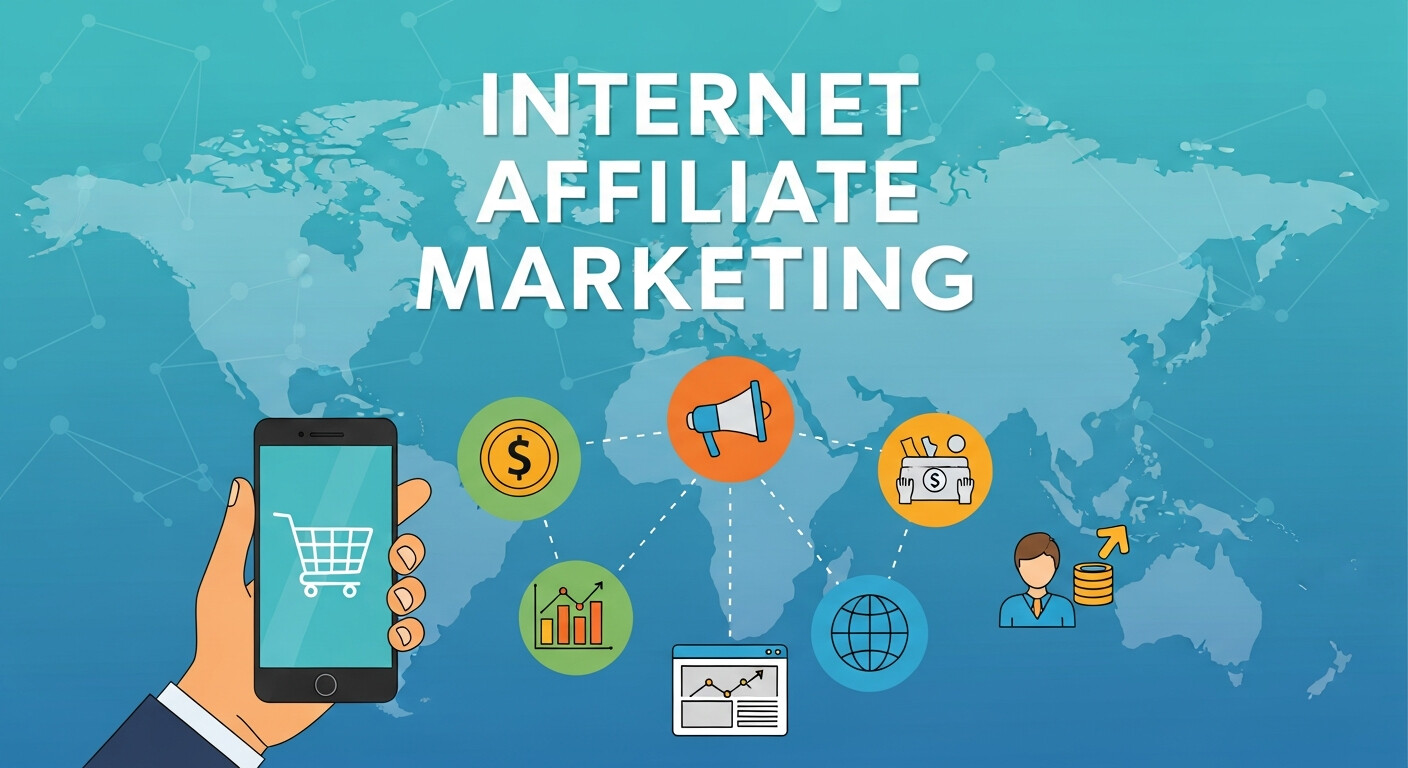
At its core, internet affiliate marketing is a performance-based marketing strategy. It involves promoting someone else’s product or service in exchange for a commission on sales or clicks generated through your unique affiliate link.
Here’s how it typically works:
- A company offers an affiliate program that allows individuals (affiliates) to promote their products or services.
- Affiliates sign up and receive a unique link or code that tracks their referrals.
- The affiliate promotes the product or service through various online channels like blogs, social media, or email marketing.
- Whenever someone clicks the affiliate link and completes a desired action (purchase, sign-up, etc.), the affiliate earns a commission.
Affiliate marketing benefits everyone involved:
- Advertisers gain significant exposure and sales without upfront marketing costs.
- Affiliates get a chance to earn passive income.
- Consumers get introduced to products that solve their specific needs.
From Amazon Associates to niche-specific programs run by small businesses, affiliate marketing is thriving in nearly every industry.
Why Choose Affiliate Marketing?
Affiliate marketing is an attractive option for online entrepreneurs for good reason. Here are some of the key benefits:
1. Low Start-Up Costs
Unlike traditional businesses that require inventory or upfront investments, affiliate marketing has minimal start-up costs. A website, blog, or social media account can be your primary tools, with expenses limited to hosting fees and marketing tools if necessary.
2. Passive Income Opportunity
Affiliate marketing allows you to earn money even when you’re not actively promoting. Once you’ve set up a blog post, video, or social media ad, it can generate affiliate income 24/7.
3. Flexibility and Freedom
You can work from anywhere, whether you’re at home, at a coffee shop, or traveling. Plus, you get to choose the niche you’re passionate about, making your work more enjoyable.
4. Scalability
Your income potential is virtually unlimited. By diversifying your affiliations or driving more traffic to your content, you can significantly increase your earnings over time.
5. No Product Ownership Needed
With affiliate marketing, there’s no need to manage inventory, handle shipping, or deal with customer service. The merchant handles all of that while you focus on promoting.
Building Trust Before Selling
Success in affiliate promotion depends heavily on trust. Internet Affiliate Marketing works best when audiences feel confident that recommendations are honest and helpful. Instead of pushing links aggressively, focus on educating users and solving their problems. Transparent reviews, clear disclosures, and balanced pros-and-cons comparisons help build credibility. When readers trust your opinion, they are far more likely to click your affiliate links and make a purchase. Trust also leads to repeat visitors, which increases lifetime earning potential. Over time, credibility becomes your strongest asset in Internet Affiliate Marketing, separating sustainable income creators from short-term promoters.
SEO as a Long-Term Growth Engine

Search engine optimization plays a crucial role in scaling Internet Affiliate Marketing sustainably. By targeting buyer-intent keywords, affiliates can attract users who are already searching for solutions. Well-optimized content such as product comparisons, tutorials, and reviews can rank for months or even years. This creates consistent, passive traffic without ongoing advertising costs. SEO also improves content authority and brand visibility. When Internet Affiliate Marketing is combined with strong SEO practices, affiliates reduce dependency on paid ads and social algorithms, building a stable and predictable income stream over time.
Choosing High-Converting Content Formats
Not all content converts equally in Internet Affiliate Marketing. Certain formats naturally perform better, such as comparison articles, “best of” lists, in-depth tutorials, and personal case studies. These formats help users make informed decisions and reduce hesitation before purchasing. Video reviews and step-by-step guides are also powerful because they demonstrate real usage. By testing multiple content formats, affiliates can identify what resonates most with their audience. Choosing the right format improves engagement, increases click-through rates, and maximizes commissions in Internet Affiliate Marketing campaigns.
Email Marketing for Affiliate Growth
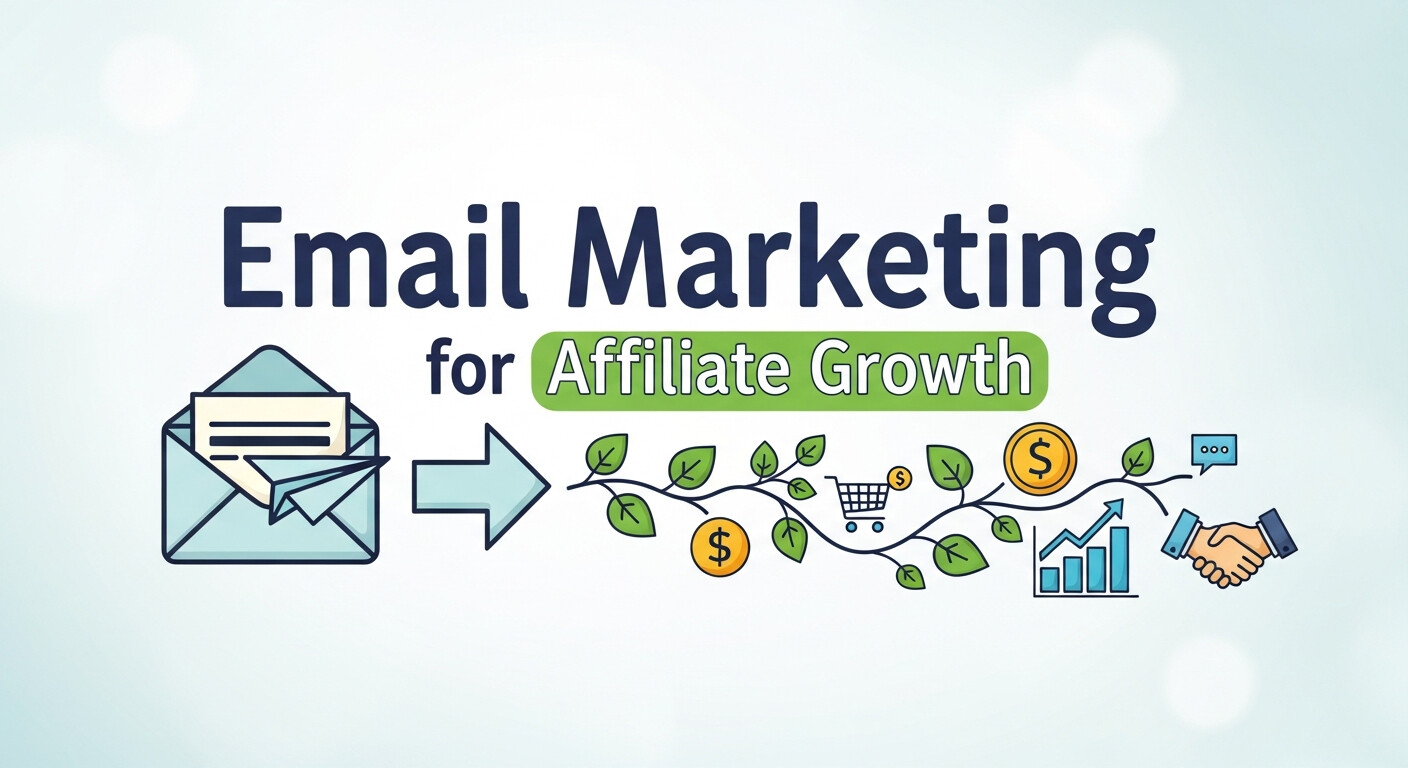
Email remains one of the most effective channels for Internet Affiliate Marketing. Building an email list allows affiliates to nurture relationships directly without relying on third-party platforms. Through newsletters, educational sequences, and personalized recommendations, affiliates can promote products in a more trusted environment. Email marketing also supports repeat promotions, seasonal offers, and product updates. When combined with segmentation and automation, email increases conversion rates significantly. Internet Affiliate Marketing becomes more predictable and scalable when affiliates own their audience and communicate consistently through email.
Using Analytics to Improve Performance
Data-driven decisions are essential for success in Internet Affiliate Marketing. Analytics tools help track clicks, conversions, traffic sources, and user behavior. By analyzing this data, affiliates can identify which content performs best and which products generate the highest returns. Insights also reveal where users drop off, allowing optimization of headlines, CTAs, and link placements. Continuous testing and refinement improve efficiency over time. Internet Affiliate Marketing becomes far more profitable when strategies are guided by real performance data rather than assumptions.
Scaling Affiliate Income Strategically
Once a solid foundation is built, scaling becomes the next goal in Internet Affiliate Marketing. This can involve expanding into related niches, promoting higher-ticket offers, or creating supporting content at scale. Outsourcing content creation, leveraging automation tools, and reinvesting profits into SEO or paid traffic can accelerate growth. However, scaling should never compromise quality or trust. Sustainable Internet Affiliate Marketing focuses on long-term value creation, ensuring that growth remains stable, compliant, and resilient to platform changes.
Getting Started in Affiliate Marketing
Now that you understand the benefits, let’s discuss how to kick-start your affiliate marketing career.
Step 1. Choose Your Niche
Selecting the right niche is one of the most critical steps in affiliate marketing. A well-chosen niche will help you stand out and attract the right audience.
When choosing your niche, consider:
- Your Interests: Promoting products you’re genuinely passionate about will feel more natural and relatable.
- Market Demand: Ensure there’s an audience interested in the niche by conducting keyword research and exploring online communities related to the topic.
- Affiliate Opportunities: Check if there are good affiliate programs available in your chosen niche.
For example, if you love fitness, you could focus on niches like workout gear, supplements, or activewear.
Step 2. Find Affiliate Programs
Once you’ve chosen your niche, it’s time to find affiliate programs that align with it. Look for programs that:
- Offer competitive commission rates.
- Provide high-quality products that you’d personally use or recommend.
- Provide reliable support and tracking tools.
Popular affiliate networks include:
- Amazon Associates
- ShareASale
- CJ Affiliate (formerly Commission Junction)
- ClickBank
- Rakuten Advertising
Many brands also run their own direct affiliate programs, so don’t overlook those.
Step 3. Build Your Platform
Your platform is where you promote affiliate products and engage with your audience. Here are the most common platforms for affiliate marketing:
- Blogs and Websites
Blogs are a strong choice for affiliate marketing. You can create in-depth product reviews, tutorials, or “best of” lists that link to affiliate products.
- YouTube
Video content is highly engaging, and YouTube makes it easy to promote affiliate products through detailed reviews, unboxings, or guides.
- Social Media Platforms
Instagram, TikTok, Twitter, and Facebook are great for visual or short-form content. You can use these platforms to share affiliate links, product photos, or engaging stories.
- Email Newsletters
Building an email list allows you to directly reach your audience with product recommendations and exclusive deals.
Step 4. Create High-Quality Content
Content is the backbone of affiliate marketing. Whether it’s a blog, a video, or a social media post, your content should:
- Provide value and be relevant to your audience.
- Incorporate keywords naturally for search engine optimization.
- Build trust by being honest in your reviews and promoting only products you believe in.
Pro Tip
Use storytelling in your content. Sharing personal experiences or results with a product can significantly increase engagement and credibility.
Step 5. Drive Traffic to Your Content
The effectiveness of your affiliate campaign depends on how much traffic you can drive to your content. Here are some strategies to increase your visibility:
- Search Engine Optimization (SEO)
Optimize your blog posts, YouTube descriptions, or website pages with targeted keywords to drive organic traffic.
- Social Media Marketing
Use social media to engage with your audience, share your content, and direct users to your affiliate links.
- Paid Advertising
Platforms like Google Ads or Facebook Ads can help you reach a broader audience, but ensure your profit margins can support the expense.
- Email Marketing
Send regular updates and personalized recommendations to your email subscribers.
Step 6. Analyze and Optimize
Regularly monitor the performance of your affiliate efforts. Tools like Google Analytics or affiliate dashboards can provide insights into clicks, conversions, and audience behavior. Use this data to refine your strategy and maximize your income.
Avoid These Common Affiliate Marketing Mistakes
While affiliate marketing is simple, there are some pitfalls to avoid:
- Promoting too many random products that don’t align with your niche.
- Overloading your content with affiliate links can appear spammy or reduce credibility.
- Ignoring audience feedback or failing to provide real value with your recommendations.
- Neglecting to disclose your affiliate partnerships, which is a legal requirement in many countries.
Take the First Step Toward Affiliate Marketing Success
Affiliate marketing is a powerful way to generate income online, especially for content creators and entrepreneurs. With a strategic approach and a commitment to providing value, you can unlock the full potential of this marketing model.
Now, it’s your turn. Pick a niche, start researching programs, and begin building your platform. The sooner you start, the sooner you can enjoy the benefits of affiliate marketing.
Frequently Asked Questions (FAQ)
What is affiliate marketing in simple terms?
Affiliate marketing is a way to earn money online by promoting other people’s products or services. When someone clicks your unique affiliate link and makes a purchase or completes an action, you earn a commission. You don’t need to create or manage the product yourself.
Is affiliate marketing suitable for beginners?
Yes, affiliate marketing is beginner-friendly because it requires low upfront investment and no technical expertise to start. With basic knowledge of content creation and marketing, anyone can begin and grow over time through learning and practice.
How much money can you make with affiliate marketing?
Earnings vary depending on niche, traffic, and strategy. Some affiliates earn a small side income, while others make full-time or even six-figure incomes. Consistency, quality content, and audience trust play a major role in income potential.
How long does it take to see results from affiliate marketing?
Affiliate marketing is not a get-rich-quick method. It may take a few months to start seeing consistent results, especially if you rely on organic traffic. Over time, well-optimized content can generate steady passive income.
Do I need a website to start affiliate marketing?
A website is helpful but not mandatory. You can also promote affiliate products through social media platforms, YouTube, email newsletters, or blogs on publishing platforms. However, having your own website offers more control and long-term stability.
What are the best niches for affiliate marketing?
Popular niches include health and fitness, personal finance, technology, beauty, lifestyle, education, and digital tools. The best niche is one that balances demand, profitability, and your personal interest or expertise.
Are affiliate links legal and safe to use?
Yes, affiliate links are legal, but you must disclose your affiliate relationship clearly. Transparency builds trust with your audience and ensures compliance with advertising regulations in many countries.
How do I choose the right affiliate products to promote?
Choose products that align with your niche, solve real problems, and offer fair commissions. Promoting products you genuinely trust increases credibility and improves conversion rates.
Can affiliate marketing really generate passive income?
Yes, affiliate marketing can generate passive income once content is published and continues attracting traffic. While it requires ongoing optimization and updates, successful content can earn commissions long after it’s created.
What mistakes should new affiliate marketers avoid?
Common mistakes include promoting too many unrelated products, focusing only on commissions instead of value, ignoring SEO, and failing to build audience trust. Patience and consistency are key to long-term success.