
How to Start Affiliate Marketing on Shopify: A Complete Guide
Affiliate marketing has become one of the most effective ways to drive sales and expand your reach online. For Shopify store owners, implementing an affiliate program can transform satisfied customers and brand enthusiasts into powerful marketing partners who promote your products in exchange for commissions.
What is Affiliate Marketing?
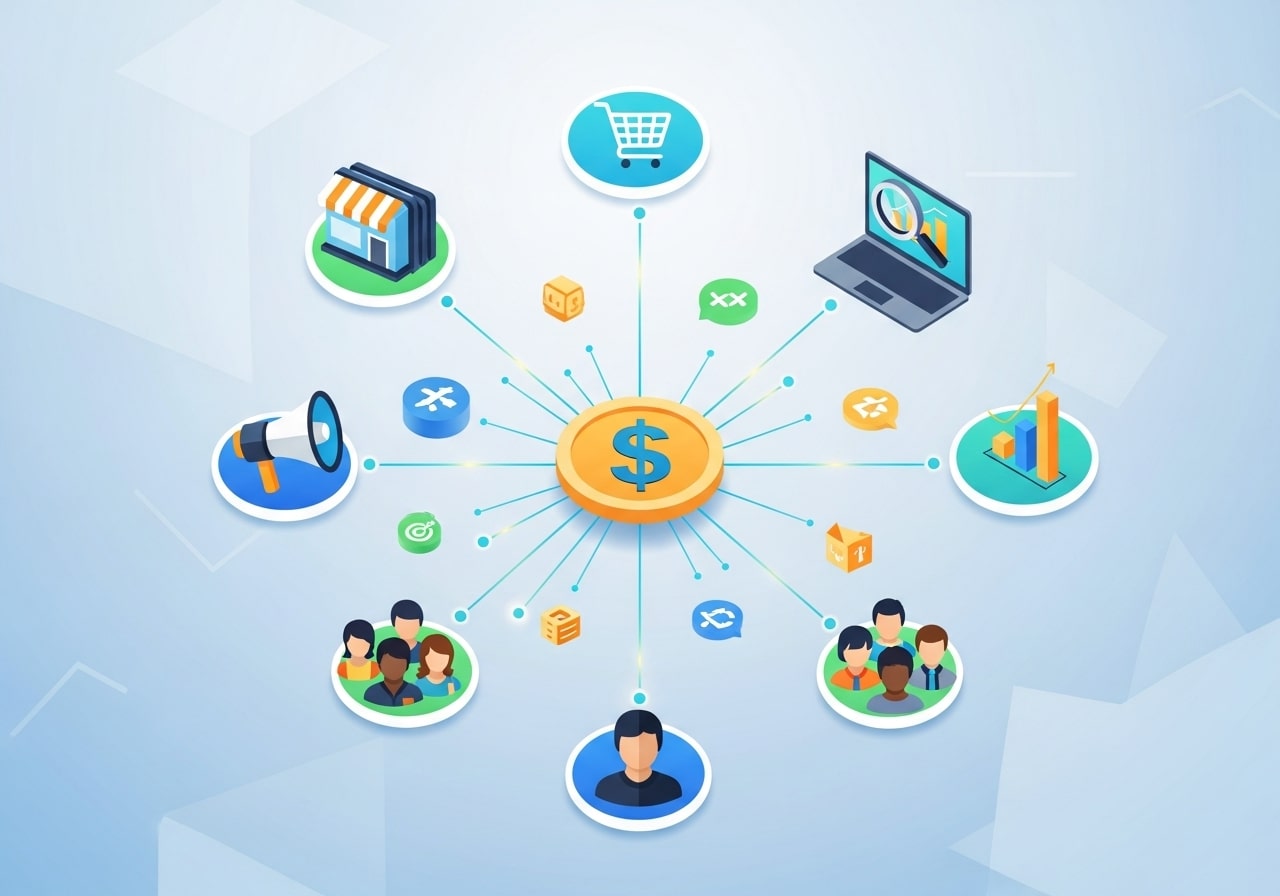
Affiliate marketing is a performance-based marketing strategy where businesses reward affiliates for each customer brought in through their promotional efforts. Affiliates earn commissions by promoting products or services using unique tracking links, making it a win-win situation for both merchants and promoters.
For Shopify merchants, affiliate marketing offers several advantages:
- Cost-effective customer acquisition
- Expanded brand reach through affiliate networks
- Performance-based spending with measurable ROI
- Access to new audiences and markets
- Reduced marketing workload through partner collaboration
How Affiliate Marketing Builds Long-Term Brand Trust

Affiliate marketing is not just about driving sales—it also helps build long-term brand trust. When affiliates genuinely believe in your products, their recommendations feel authentic to their audience. Blog reviews, tutorials, and social media mentions act as third-party validation, which is often more persuasive than traditional ads. Over time, consistent affiliate endorsements strengthen brand credibility and awareness. For Shopify store owners, this trust translates into higher conversion rates and repeat customers, making affiliate marketing a powerful strategy for sustainable growth rather than short-term gains.
The Role of Affiliate Education and Training

Educated affiliates perform better. Providing clear training materials helps affiliates understand your products, brand voice, and target audience. Simple resources such as onboarding guides, product walkthroughs, and promotion tips can significantly improve results. When affiliates know how to position your products correctly, they create higher-quality content that converts more effectively. Shopify merchants who invest in affiliate education often see stronger engagement, fewer compliance issues, and more consistent sales. Training transforms affiliates from passive promoters into knowledgeable partners who actively contribute to your store’s success.
Using Affiliate Marketing to Enter New Markets
Affiliate marketing is an effective way to expand into new markets without high upfront costs. Affiliates already have established audiences in specific niches, regions, or communities. By partnering with affiliates from different markets, Shopify store owners can reach new customer segments quickly and efficiently. This approach reduces the risk of launching expensive ad campaigns without guaranteed returns. With the right affiliates, your products gain visibility among audiences that trust the promoter, making market expansion faster, more affordable, and more scalable.
How Affiliate Programs Reduce Marketing Risk
One of the biggest advantages of affiliate marketing is reduced financial risk. Unlike paid advertising, you only pay affiliates when they generate actual sales. This performance-based model protects your marketing budget and ensures measurable ROI. For Shopify merchants, especially small or growing stores, this makes affiliate marketing an ideal low-risk strategy. Even if some affiliates underperform, there is no wasted ad spend. Over time, focusing on high-performing affiliates helps create a reliable revenue channel with predictable costs.
Automating Affiliate Management on Shopify

Automation plays a key role in managing a successful affiliate program. Shopify affiliate apps automate tracking, commission calculations, approvals, and payouts. This reduces manual work and minimizes errors, allowing store owners to focus on growth. Automated dashboards also provide real-time performance insights, helping you identify top affiliates and optimize campaigns quickly. By leveraging automation, Shopify merchants can scale their affiliate programs efficiently without needing a dedicated team, making affiliate marketing manageable even as the network grows.
Measuring Affiliate Program Success Beyond Sales
While sales are important, successful affiliate programs should be evaluated using multiple metrics. Engagement, traffic quality, average order value, and customer lifetime value all provide deeper insights into affiliate performance. Some affiliates may drive fewer sales but attract highly loyal customers. By analyzing these broader metrics, Shopify store owners can make smarter decisions about commissions, partnerships, and long-term strategy. Measuring success beyond immediate revenue ensures your affiliate program contributes to overall brand growth, not just short-term profits.
Leveraging Data to Improve Affiliate Performance
Data-driven decisions are essential for optimizing affiliate programs. By analyzing click-through rates, conversion data, and traffic sources, Shopify merchants can identify which affiliates perform best and why. This information allows you to provide targeted feedback, adjust commissions, and prioritize high-value partnerships. Over time, data insights help refine recruitment strategies and improve overall program efficiency. Using analytics ensures your affiliate program grows smarter, not just bigger.
Setting Up Affiliate Marketing on Shopify
Choose the Right Affiliate App
Shopify’s app store offers numerous affiliate marketing solutions. Popular options include:
UpPromote provides comprehensive affiliate management features with customizable commission structures and detailed analytics. The app integrates seamlessly with Shopify and offers both free and paid plans.
ReferralCandy specializes in referral and affiliate programs with automated email campaigns and social sharing tools. It’s particularly effective for encouraging existing customers to become affiliates.
Goaffpro offers a free tier with essential affiliate management features, making it an excellent choice for businesses starting their first affiliate program.
Configure Your Commission Structure
Your commission structure directly impacts affiliate motivation and program profitability. Consider these approaches:
Percentage-based commissions work well for higher-priced items and luxury products. Rates typically range from 5% to 30%, depending on your profit margins and industry standards.
Fixed-amount commissions suit lower-priced products or when you want predictable commission costs. This structure helps maintain consistent profit margins regardless of product variations.
Tiered commissions reward high-performing affiliates with increased rates based on sales volume or performance metrics. This approach encourages long-term partnerships and sustained effort.
Create Compelling Affiliate Resources
Successful affiliates need quality materials to promote their products effectively. Provide:
Product images and graphics in various formats and sizes for different platforms. High-quality visuals increase conversion rates and make promotion easier.
Marketing copy and product descriptions that affiliates can customize for their audience. Include key selling points, benefits, and call-to-action suggestions.
Brand guidelines ensure consistent messaging across all affiliate promotions. This maintains brand integrity while giving affiliates creative freedom.
Recruiting Quality Affiliates
Target the Right Partners
Focus on recruiting affiliates who align with your brand values and target audience. Effective affiliate types include:
Content creators and bloggers in your niche who have established audiences interested in your products. These partners often provide detailed reviews and recommendations that drive high-quality traffic.
Social media influencers with engaged followings can showcase your products through authentic content. Micro-influencers often deliver better engagement rates than larger accounts.
Existing customers who genuinely love your products make authentic brand ambassadors. They understand your value proposition and can speak from personal experience.
Develop an Attractive Value Proposition
Your affiliate program must offer compelling benefits to attract quality partners:
Competitive commission rates that reflect industry standards while maintaining profitability. Research competitor programs to ensure your rates are attractive.
Regular promotions and bonuses for top performers keep affiliates motivated and engaged. Consider seasonal bonuses or performance-based rewards.
Comprehensive support, including training materials, responsive communication, and promotional assistance, helps affiliates succeed.
Managing Your Affiliate Program
Track Performance Metrics
Monitor key performance indicators to optimize your program:
Conversion rates show how effectively affiliates turn clicks into sales. Low conversion rates might indicate targeting issues or poor product-audience fit.
Average order value helps you understand the quality of traffic each affiliate generates. Higher values often indicate better-qualified leads.
Customer lifetime value from affiliate-acquired customers reveals the long-term impact of your program beyond initial sales.
Optimize Commission Structures
Regularly review and adjust your commission structure based on performance data:
Analyze profit margins to ensure commissions remain sustainable as your business grows. Factor in all costs, including product, shipping, and payment processing.
Test different rates with new affiliates to find the sweet spot between attractiveness and profitability. Consider seasonal adjustments for peak selling periods.
Reward consistency by offering bonuses for affiliates who maintain steady performance over time. This encourages long-term partnerships rather than one-time promotions.
Maintain Strong Relationships
Building lasting partnerships requires ongoing communication and support:
Regular check-ins help you understand affiliate needs and challenges. Proactive support often prevents issues before they impact performance.
Performance feedback helps affiliates improve their promotional strategies. Share insights about what’s working and suggest optimization opportunities.
Exclusive opportunities, such as early access to new products or special promotions, make affiliates feel valued and motivated to prioritize your brand.
Best Practices for Shopify Affiliate Marketing
Ensure Legal Compliance
Affiliate marketing involves legal considerations that vary by jurisdiction:
Disclosure requirements mandate that affiliates clearly identify sponsored content or paid partnerships. Provide guidance on proper disclosure language and placement.
Tax implications affect both merchants and affiliates. Consult with tax professionals to understand reporting requirements and provide necessary documentation.
Terms and conditions should clearly outline program rules, commission structures, and prohibited practices. Regular updates ensure compliance with changing regulations.
Focus on Quality Over Quantity
Building a smaller network of high-performing affiliates often yields better results than managing many inactive partners:
Selective recruitment allows you to focus resources on affiliates who demonstrate genuine interest and capability. Quality partnerships require less management while delivering better results.
Performance standards help maintain program quality by establishing minimum requirements for continued participation. This protects your brand reputation and ensures efficient resource allocation.
Continuous improvement through regular program evaluation and optimization keeps your affiliate marketing efforts effective and competitive.
Growing Your Affiliate Network
Building a successful affiliate program takes time and consistent effort. Start with a clear strategy, choose the right tools, and focus on developing strong relationships with quality partners. Monitor performance regularly and be prepared to adjust your approach based on results and market changes.
Remember that affiliate marketing success depends on mutual benefit. When your affiliates succeed, your business grows. By providing excellent support, competitive commissions, and quality products, you’ll build a network of motivated partners who drive sustainable growth for your Shopify store.
Ready to launch your affiliate program? Start by researching the best affiliate apps for your specific needs, then develop a comprehensive recruitment strategy that attracts partners aligned with your brand values and target audience.
Frequently Asked Questions (FAQ)
1. What is affiliate marketing for Shopify stores?
Affiliate marketing for Shopify stores is a performance-based strategy where affiliates promote your products using unique tracking links. When a sale is made through their link, the affiliate earns a commission. Shopify merchants manage this process using affiliate apps that track referrals, sales, and payouts.
2. Do I need an app to run affiliate marketing on Shopify?
Yes, Shopify does not include built-in affiliate tracking, so you’ll need an app. Affiliate apps handle link tracking, commission calculations, affiliate dashboards, and payouts, making it easy to manage your program without custom development.
3. Which affiliate app is best for Shopify beginners?
For beginners, apps like GoAffPro and UpPromote are popular because they offer free plans, simple setup, and essential features. These apps allow new store owners to test affiliate marketing without a large upfront investment.
4. How much commission should I offer affiliates?
Commission rates typically range from 5% to 30%, depending on your profit margins and industry. Digital products and high-margin items can support higher commissions, while physical products often require lower rates to remain profitable.
5. Can customers become affiliates?
Yes, many Shopify stores successfully turn existing customers into affiliates. Since they already trust your brand and products, customer-affiliates often promote more authentically and convert better than cold partners.
6. How do affiliates get paid?
Affiliate apps usually support payments through PayPal, bank transfer, or store credit. You can choose to pay affiliates automatically or manually after a set payout threshold or approval period.
7. Is affiliate marketing legal?
Yes, affiliate marketing is legal, but it must follow advertising and disclosure laws. Affiliates are required to clearly disclose that they earn commissions from promoted products. Providing clear guidelines helps ensure compliance.
8. How long does it take to see results from affiliate marketing?
Results vary, but most Shopify stores begin seeing sales within 30–90 days after recruiting active affiliates. Long-term success depends on affiliate quality, commission incentives, and ongoing relationship management.
9. Can affiliate marketing work for small Shopify stores?
Yes, affiliate marketing works well for small stores because it’s performance-based. You only pay commissions after a sale occurs, making it a low-risk way to grow traffic and revenue.
10. What mistakes should I avoid in Shopify affiliate marketing?
Common mistakes include offering commissions that are too low, failing to support affiliates with resources, recruiting irrelevant partners, and not tracking performance metrics. Focusing on quality partnerships and clear communication helps avoid these issues.